
 雷科技
雷科技






















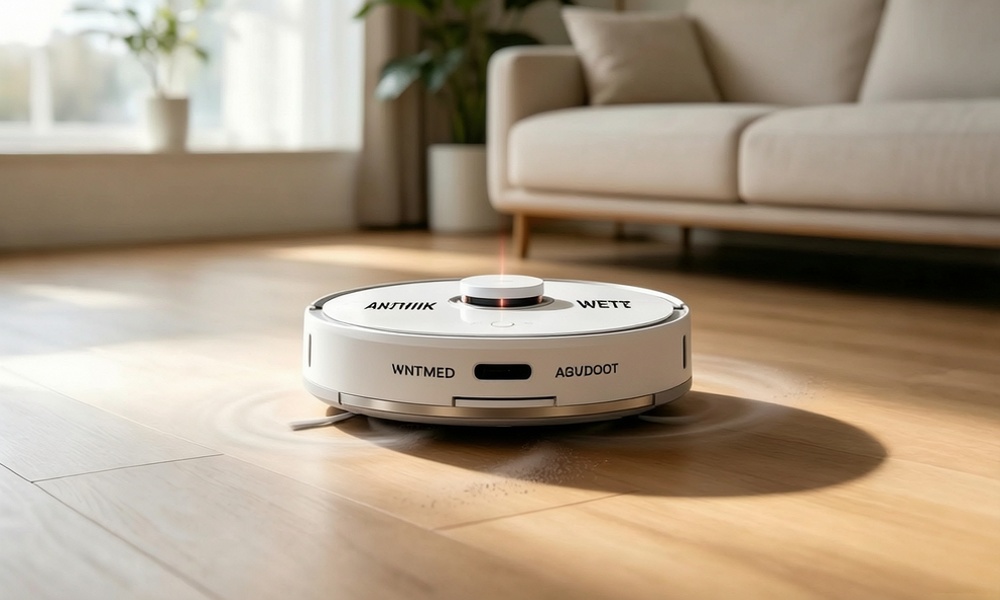

You may be familiar with "quick‑launch vehicles", but have you heard of "rushed‑to‑market robot vacuums"?
According to market research firm LOOTU Technology, the iteration cycle for flagship robot vacuum models has been shortened to six‑month. Top‑tier brands including Roborock, ECOVACS, Dreame and Narwal all rolled out updates to their core product lines in the first half of this year. Shorter iteration cycles inevitably mean less time spent on research and development.
Furthermore, in China’s online robot‑vacuum market during H1 2026, newly‑released models launched within six months accounted for 36% of total sales volume, while products on the market for 6‑12 months made up 30%. These sales figures show that new‑generation products continue to dominate the market, even as older models are heavily discounted for promotions.
Back in 2024, the typical iteration cycle for robot vacuums stood at 12 months. So why has it now been cut in half? Today, Leitech (ID: leitech) takes an in‑depth look into this trend.
White‑hot Competition: Robot Vacuums Enter the "Quick‑Launch Era"
Much like the automotive sector, robot‑vacuum manufacturers are shortening product refresh cycles because the industry has shifted into stock‑market competition, with rivalry between brands growing increasingly fierce.
LOOTU Technology’s data reveals that total online retail volume of robot vacuums across all Chinese channels reached 2.438 million units in H1 2026, a year‑on‑year drop of 11.3%, while sales revenue hit 7.98 billion yuan, down 6.7% year‑on‑year. Since revenue declined less sharply than unit sales, it signals a shrinking market for entry‑level robot vacuums priced around 1000‑yuan.
Following the 618 shopping festival, both sales volume and revenue fell month‑on‑month in July. The average online retail price slipped to 2958.9 yuan, representing a 5.8% year‑over‑year decline.
Against these market shifts, brands such as ECOVACS, Roborock and Dreame must defend their foothold in the high‑end segment while expanding into mid‑to‑low‑end markets. As a result, the popularization and trickle‑down of advanced technologies has become a dominant industry trend.
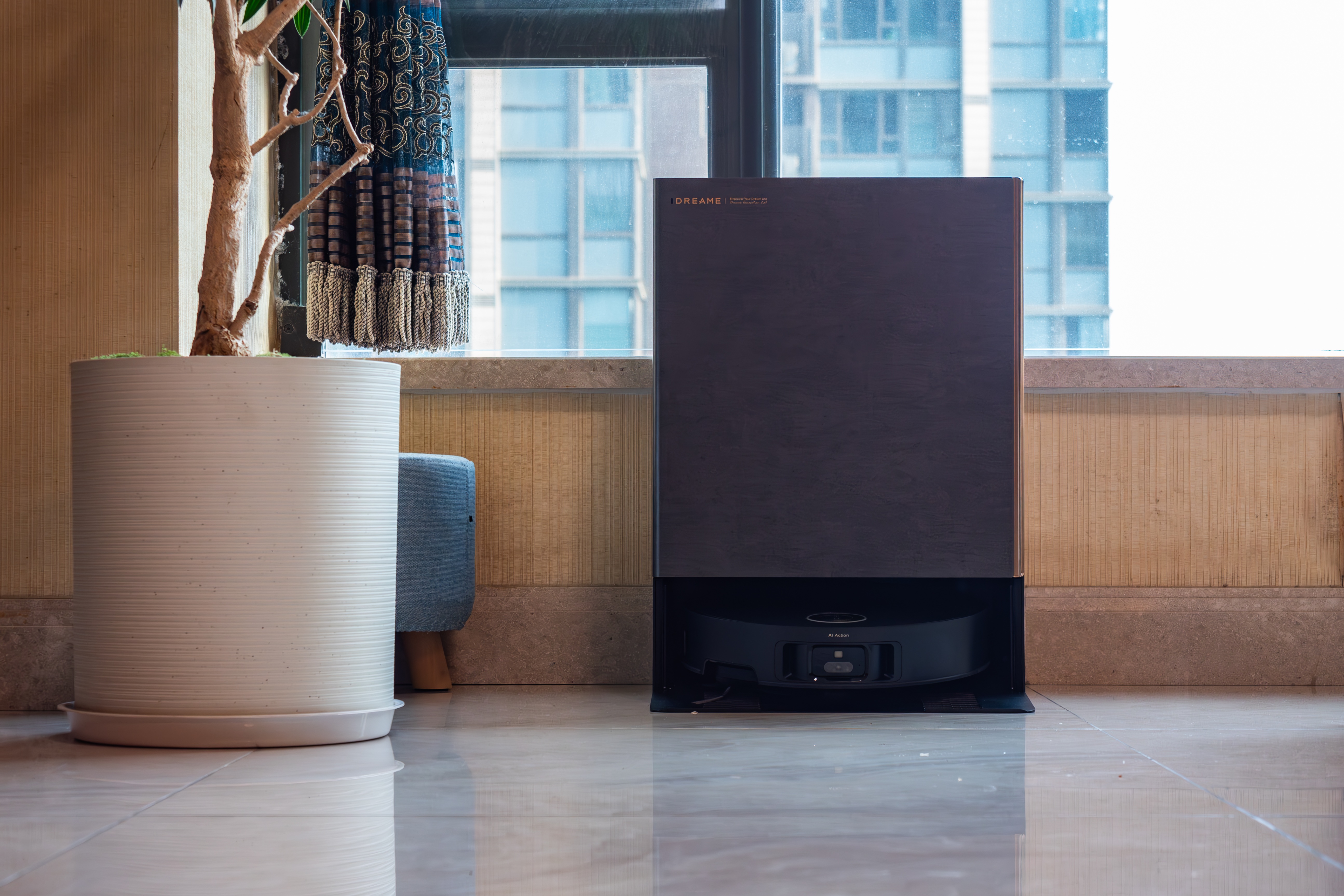
(Photograph source: LeiTech)
Take ECOVACS’ hot‑water mop‑washing feature, which debuted on the Deebot X2 series, as an example. It has gradually trickled down to the T80 and T90 product lines, with water temperatures upgraded successively from 55°C to 75°C and 100°C, delivering markedly improved bacteria‑ and virus‑killing performance.
Roborock’s DuoDivide tangle‑free dual‑arm technology has trickled down from its G‑series to the P‑series, while Dreame’s bionic mechanical arm has moved from the X‑series to the S‑series. Such moves keep elevating user experience across sub‑flagship and mid‑range robot vacuum models.
AI represents another key function being cascaded down to lower‑tier robot vacuums. To preserve positioning gaps between entry‑level, mid‑range, sub‑flagship and flagship products, however, AI capabilities are rolled‑out to varying degrees.
AI‑powered obstacle‑avoidance vision detection is among the most widely‑degraded high‑end features. Today, sub‑flagship and mid‑range units are mostly equipped with 3D structured‑light sensors plus dual‑lens RGB cameras, supporting basic deep‑learning detection networks. For cost‑control reasons, entry‑level models still rely primarily on infrared and TOF ranging sensors.
(Generated by Doubao AI)
Full semantic SLAM (semantic‑mapping) capabilities and on‑device local large language models are rarely cascaded down in their entirety; usually only partial features trickle‑down to lower‑tier markets. The large‑language‑model features advertised on most mid‑range models on the market rely on cloud‑based LLMs for semantic parsing, with the robot itself merely executing commands — this does not count as on‑device AI.
Fierce industry competition is forcing manufacturers to continuously roll out trickle‑down technology upgrades to boost the competitiveness of their sub‑flagship, mid‑range and even entry‑level products. Nevertheless, it takes time for companies to recoup R&D costs and bring technologies down to affordable price points. In addition, brands must keep costs and retail prices in check across sub‑flagship, mid‑range and budget‑oriented product lines, so high‑end technologies will never be released to lower tiers all at once.
This is exactly why robot‑vacuum makers are shortening product iteration cycles. On one hand, they wait for advanced technologies to become cost‑effective. On the other, they monitor competitors’ releases and formulate technology‑trickle‑down roadmaps based on market trends.
Admittedly, industry rivalry has accelerated the pace of technology roll‑downs among robot‑vacuum manufacturers. Yet we share the same concern held by car buyers: will such frequent product refreshes lead to compromised build quality?
Technology democratization is an inevitable trend. Is smart‑cleaning hardware heading toward fast‑fashion?
According to the 2025 Household Appliance Complaint Report released by Black Cat Complaints, over 32,000 household‑appliance‑related complaints were filed on the platform in 2025, marking a 23.07% year‑on‑year increase from 2024. Smart‑cleaning robots topped the complaint rankings, accounting for 23.33% of all submissions.
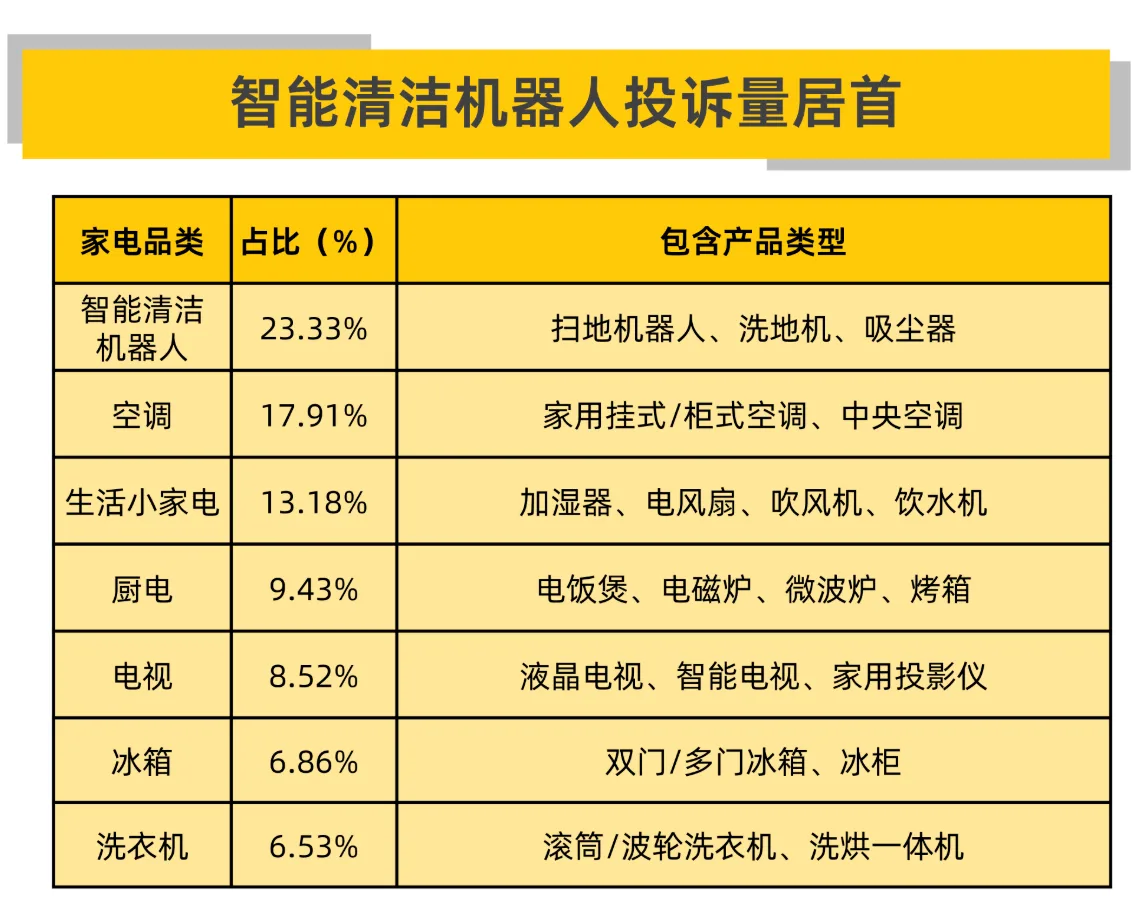
(Source: Black Cat Complaint Platform)
Robot vacuums, whose technologies keep trickling‑down to broader market segments, cater to users’ demand for time‑saving, hassle‑free home cleaning. They have gained popularity faster than traditional home appliances — yet quality issues have become a major headache for consumers. After all, with flagship products refreshed every six months, manufacturers inevitably have less time to polish their offerings.
Against the backdrop of intensifying industry competition, this "rushed‑to‑market" trend is unlikely to slow down. Smart‑cleaning hardware is clearly drifting toward a fast‑fashion model: frequent new launches, rapid iteration and heavy‑driven marketing campaigns. Fortunately, robot vacuums are far less complex than automobiles, and serious malfunctions are rare. Even when major faults occur, they generally do not pose safety risks to users. Supported by comprehensive replacement and maintenance services from brands, most problems can be resolved smoothly. As a result, the risks posed by "quick‑launch robot vacuums" are nowhere near as severe as those of "rushed‑to‑market vehicles".
It is foreseeable that robot‑vacuum brands will maintain their current pace of R&D and technology trickle‑down in the years ahead.
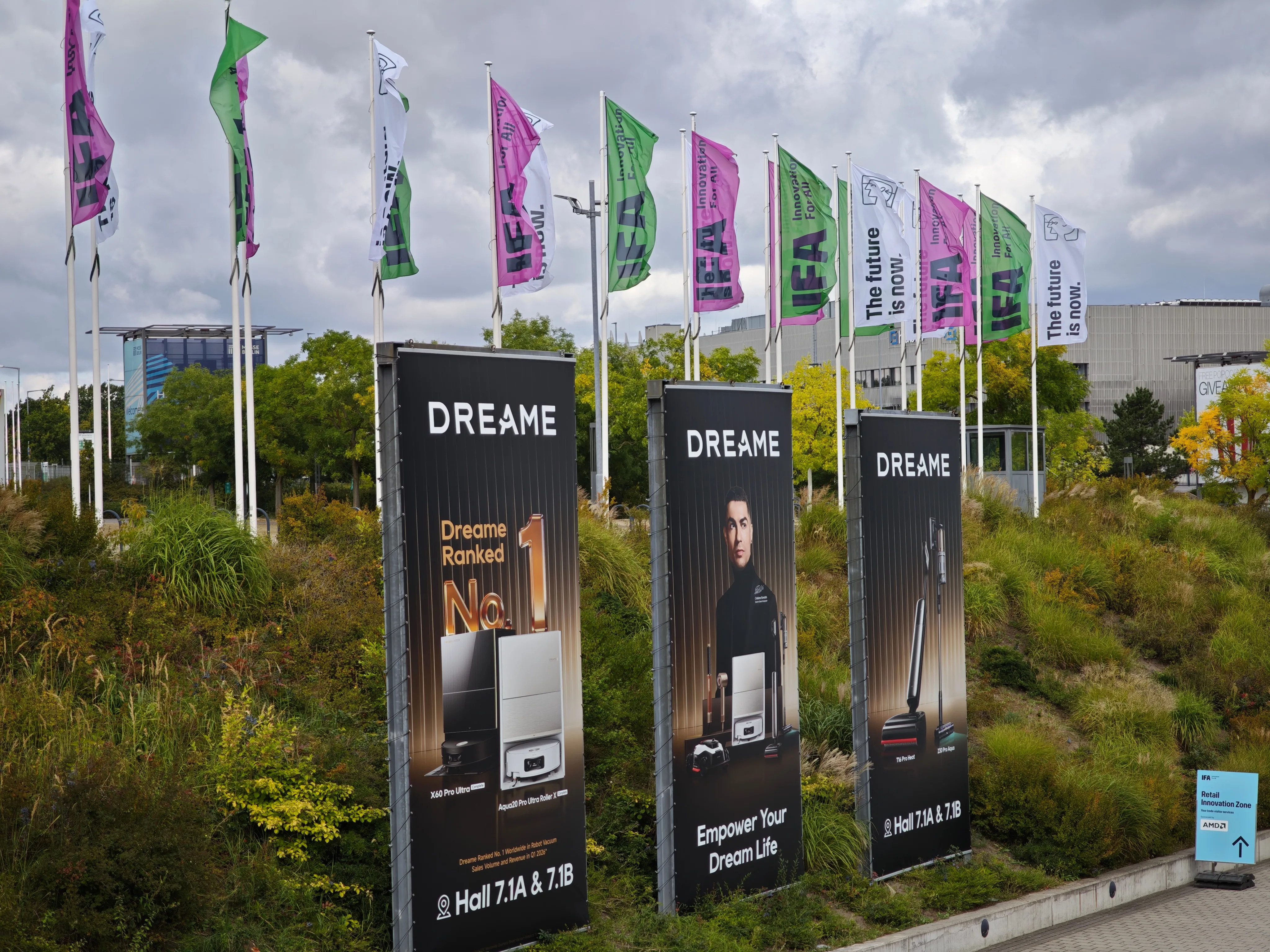
The upcoming IFA trade‑show will serve as the biggest stage for robot‑vacuum makers in the second half of this year. Dreame will showcase products including the T16 Pro Steam and T16 Pro Heat series, and debut its 180 °C steam‑cleaning technology.
Dreame’s most anticipated exhibit, however, is the Cyber X hexapod three‑segment tracked stair‑climbing robot. First unveiled at this year’s CES in January, it adopts a bionic hexapod tracked structure, paired with dual‑line lasers and an AI camera. Capable of climbing one storey of stairs in roughly 27 seconds, it is well‑suited for duplex homes and detached villas.
(Photograph source: LeiTech)
Roborock’s theme for this IFA edition is “Rocking Life With You”, where it will unveil its brand‑new steam‑cleaning technology. ECOVACS will also attend the exhibition, bringing an exciting lineup including robot vacuums, lawn‑mowing robots, window‑cleaning robots and pool‑cleaning robots. Leitech will keep a close eye on all these releases.
Taking IFA as their stage, the three industry giants — Dreame, Roborock and ECOVACS — are set to showcase their latest batch of technologies. Their debut products will most likely be flagship‑grade robot vacuums.
Just like many previously trickled‑down technologies, some of these new innovations are expected to cascade down to sub‑flagship mainline models within six to twelve months. Once brands recoup research‑and‑development costs and production expenses drop further down the line, certain technologies will gradually be rolled out to mid‑range products. As for entry‑level robot vacuums, high‑end features will remain largely out of reach in the short‑term, constrained by cost and price‑point limits.
The rush‑to‑market wave delivers technology democratization, allowing everyday consumers to access former flagship‑level features at lower prices. Yet long‑term reliability testing cycles are being squeezed, resulting in persistently high complaint rates across the industry. This trend is not merely a side‑effect of fast‑paced technical upgrades; rather, it represents a competitive strategy actively adopted by top brands amid the smart‑home saturated stock market.
The unstoppable trend: the strong keep getting stronger in smart‑cleaning sector
Shortened six‑month iteration cycles raise the bar for manufacturers’ R&D capabilities, supply‑chain operations and channel management. Leading players such as Dreame, Roborock and ECOVACS can easily adapt to these industry shifts, while smaller and mid‑sized brands struggle to keep up with the half‑year refresh rhythm.
Failure to launch new iterations every six‑months means products at the same tier will fall behind flagship offerings from market leaders, leaving smaller manufacturers with shrinking room to survive. Their only viable response is to cut prices, sacrificing profit margins in exchange for sales volume.
Mounting survival pressure on smaller competitors will further accelerate market consolidation around top‑tier brands. At present, the top‑three online robot‑vacuum brands already hold over 70 % of market share, a figure projected to rise to 80 % or higher in the future.
Overall, this development model is not fruitless, self‑defeating industrial involution. Fundamentally, it marks an inevitable transition for mature home‑appliance categories, shifting from volume‑driven popularization to refined, value‑oriented competition.
Frequent, rapid iterations speed up the cascading roll‑out of technologies down product tiers. Former flagship‑exclusive capabilities such as high‑temperature mop‑washing, intelligent obstacle avoidance and bionic cleaning have entered the mass market, advancing industry‑wide technology democratization.
That said, rapid refreshes of flagship‑line products carry notable drawbacks. Commercial‑release priorities often outweigh thorough product polishing, while compressed testing timelines frequently lead to insufficient stability and unfinished fine‑tuning on new releases. This is the core cause behind the sector’s stubbornly high complaint rate.
From September 4–8, 2026, the world’s largest consumer electronics and home appliance exhibition—IFA 2026—will be held in Berlin.
As the “most authoritative new media outlet covering IFA” globally acclaimed for its AI-focused reporting, LeiTech is deploying its largest-ever, highest-caliber exhibition team to Berlin. Adopting a “2+N” model—featuring two live hosts plus multiple on-site editors and remote editorial staff—LeiTech will deliver immersive, multi-dimensional, and exclusive frontline coverage of IFA 2026. Key focus areas include AI agents integrated with home appliances and hardware; robotics technologies converging with domestic living scenarios; emerging digital lifestyle trends spanning people, vehicles, and homes; and Chinese brands’ global-stage presentations.
LeiTech’s IFA 2026 reporting team members have begun departing for Berlin—stay tuned for our live, on-the-ground reports!