
 雷科技
雷科技






















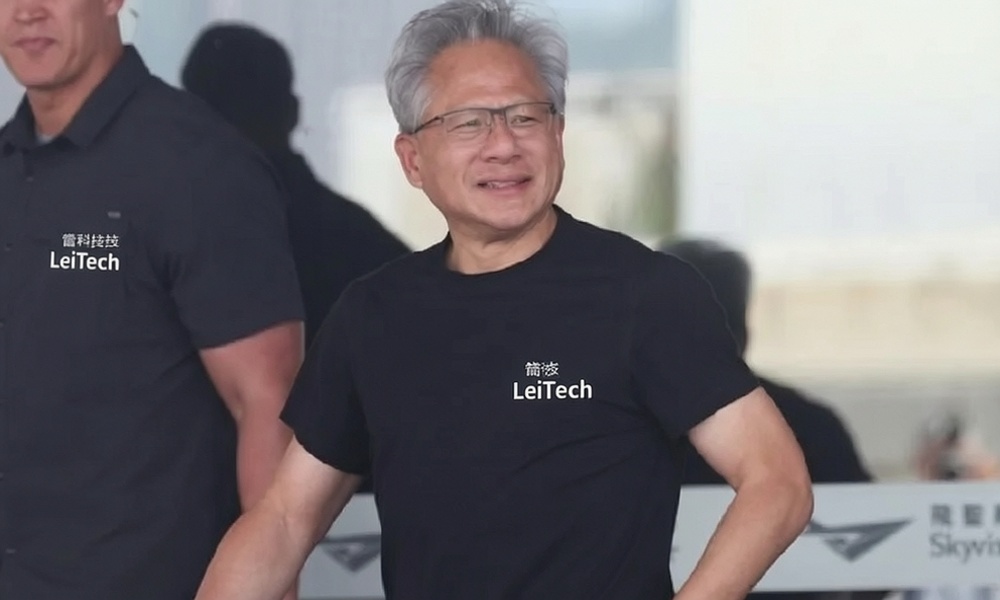

Three days before NVIDIA released its Q2 2026 earnings report, Jensen Huang made a sudden low‑key visit to Chinese Taipei.
The entire trip was extremely brief, lasting only two hours from landing and meetings to departure.
As NVIDIA’s exclusive foundry, TSMC’s production capacity directly determines NVIDIA’s product supply and financial performance.
This well‑timed secret meeting marks the second consecutive year Jensen Huang has held talks with TSMC ahead of the earnings release.
Extra‑tight secrecy surrounded the trip, with no official announcement of any business schedule. Had the media not spotted him and his wife at a street‑side steamed‑bun shop, where his assistant ordered 30 pork rice dumplings for takeaway, few would have known he was in town.
This is also his third visit to Chinese Taipei this year. Coincidentally, he pulled off a similar pre‑earnings quick‑visit in late August last year.
On August 22, 2025, Jensen Huang arrived with no prior notice and stayed for half a day. He went straight to TSMC to meet Chairman C.C. Wei and personally finalised the mass‑production schedule and output for the next‑generation Vera Rubin platform chips.
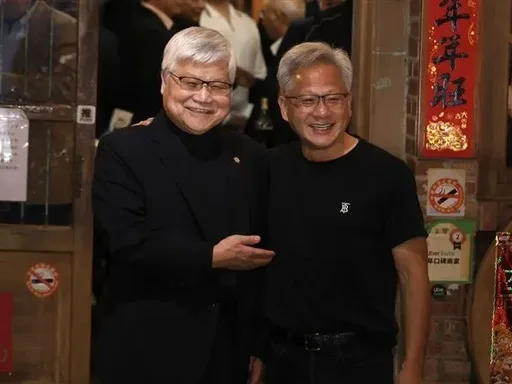
Image source: Weibo
Looking back, Jensen Huang has visited Taipei quite frequently this year.
At the end of January, he came to Taipei for the annual meeting of its branch office and took the chance to meet a host of supply‑chain partners.
In late May, he arrived in Taipei ahead of schedule to attend Computex Taipei and the GTC Conference. He also hosted the trillion‑dollar banquet attended by top executives from TSMC, Hon Hai and MediaTek, where discussions centred on capacity allocation for next‑generation AI servers.
Including this trip, he has made three visits in just over half a year.
From the perspective of Xiaolei BIBI(ID: xiaoleibbb), this kind of sudden visit to Taipei before earnings release is essentially a critical safeguard for its production capacity.
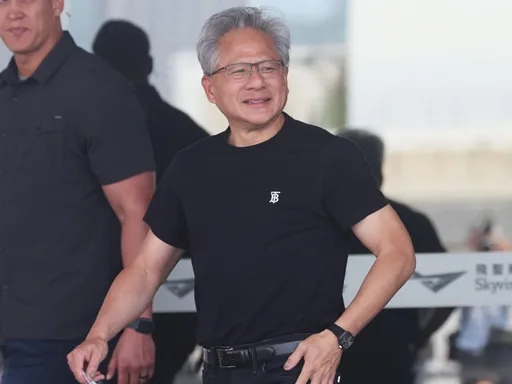
Image source: Weibo
Every single one of NVIDIA’s current AI chips is exclusively manufactured by TSMC. From the‑on‑market Blackwell lineup to the upcoming Vera Rubin, every GPU relies on TSMC’s advanced process nodes and CoWoS advanced packaging technology.
Adequate production capacity directly determines how well NVIDIA will perform financially in the next quarter.
Just how tight is TSMC’s capacity at the moment?
Forecasts from multiple investment banks and supply‑chain organisations indicate that NVIDIA alone will secure 800,000 to 850,000 CoWoS‑enabled wafer units from TSMC this year, accounting for more than half of the annual quota.
Market estimates set the end‑of‑year monthly capacity target for the 2‑nanometre process at 100,000 wafers. Each wafer is priced at roughly 30,000 US dollars, yet demand continues to outstrip supply.
Senior TSMC executives have openly admitted that supply shortages for advanced manufacturing processes will persist at least until 2027.
Once news of the trip spread online, netizens shared a flood of lively comments.
Some joked that out of the two‑hour visit, one hour and fifty minutes were spent negotiating production capacity, with the remaining ten minutes used to buy 30 pork rice dumplings — maximum efficiency achieved.
Others remarked that Jensen Huang’s time is more precious than gold. Chartering a private jet simply to press for more capacity in‑person shows just how urgent the situation has become.
Several netizens also recalled his famous outing at a Taipei night market.
During his Taipei visit back in May this year, he visited the Raohe Night Market to buy grilled corn. To skip the queue, he paid for food for the entire stall. He even signed “Jen‑Hsun was here” on the restroom wall of the shop. This unexpected, down‑to‑earth side won him many new fans.
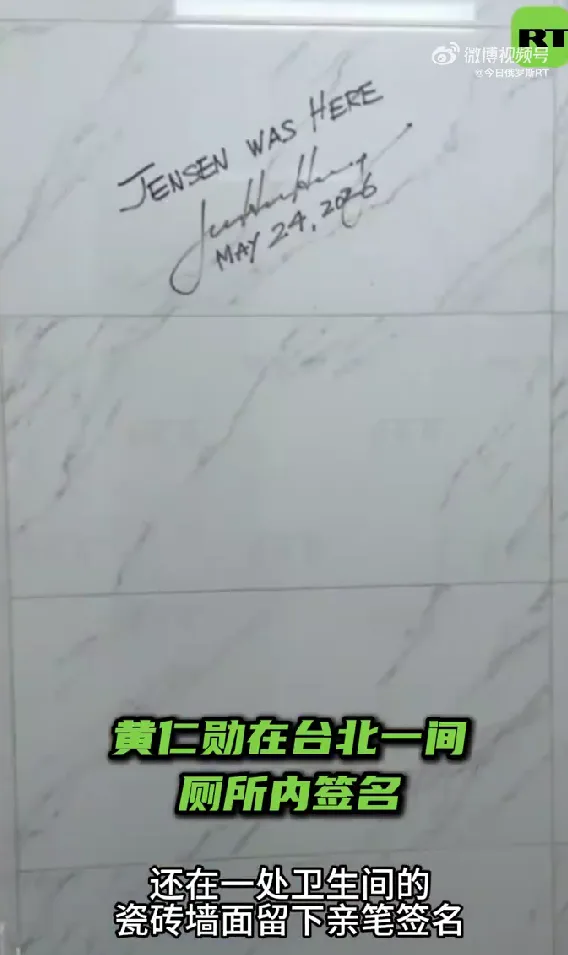
Image source: Weibo
Once again, he was photographed buying steamed buns and rice dumplings, prompting many to joke that Jensen Huang is "negotiating trillion‑dollar deals while enjoying street‑food snacks".
Numerous netizens have offered sharp‑eyed analysis, arguing that this trip three days ahead of earnings season essentially sends a signal to the capital market: rest assured, production capacity has been locked in, and the upcoming earnings report will deliver solid results.
After all, AI‑related stock prices are currently propped up largely by capacity expectations. Jensen Huang’s in‑person visit to TSMC carries more weight than ten official earnings pre‑announcements.
From Xiaolei’s perspective, the most intriguing part of this incident is what it reveals about the current state of the entire AI industry.
Companies once competed to build superior‑performing chip designs. Today, the race centres on securing greater production capacity and ample power supply.
The fact that Jensen Huang himself has flown out to press manufacturers for deliveries demonstrates that this computing‑power arms race has intensified right up to the uppermost reaches of the supply chain.
While technical expertise remains vital, bargaining power over supply chains has become a decisive factor in the AI competition.
What are your thoughts on this story? Feel free to share your opinions in the comments section.