
 雷科技
雷科技
















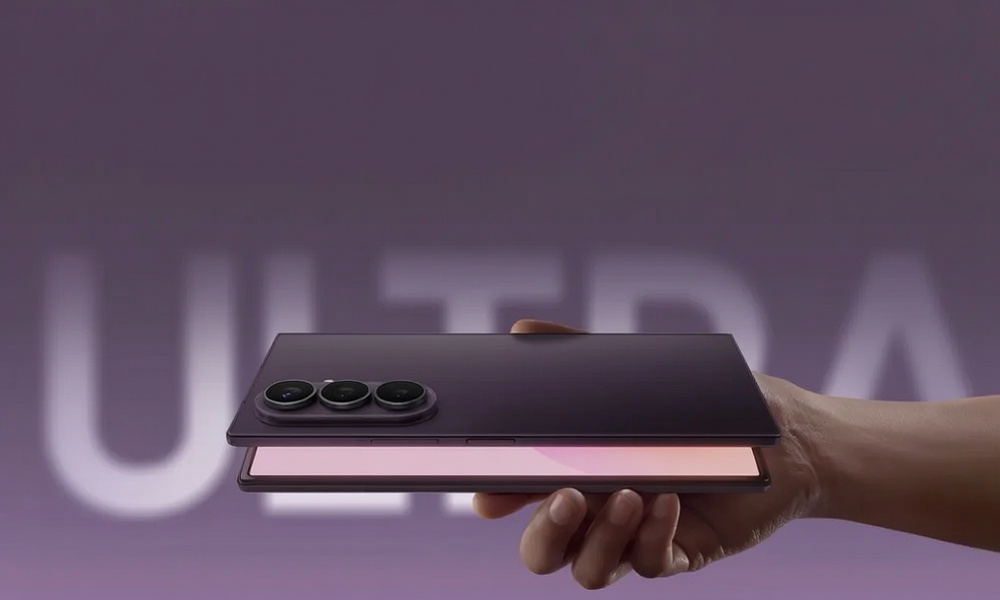

In 2026, Samsung launched its own “wide-fold” smartphone, the Galaxy Z Fold 8: featuring a thinner hinge, a brighter display, and an even more robust camera system—the specs remain impeccable. Yet LeiTech immediately noticed one detail: Like its predecessor, the Galaxy Z Fold 7, the new Z Fold 8 still does not support the S Pen. In other words, the Galaxy S26 Ultra has truly become the last remaining Samsung flagship to retain S Pen compatibility.
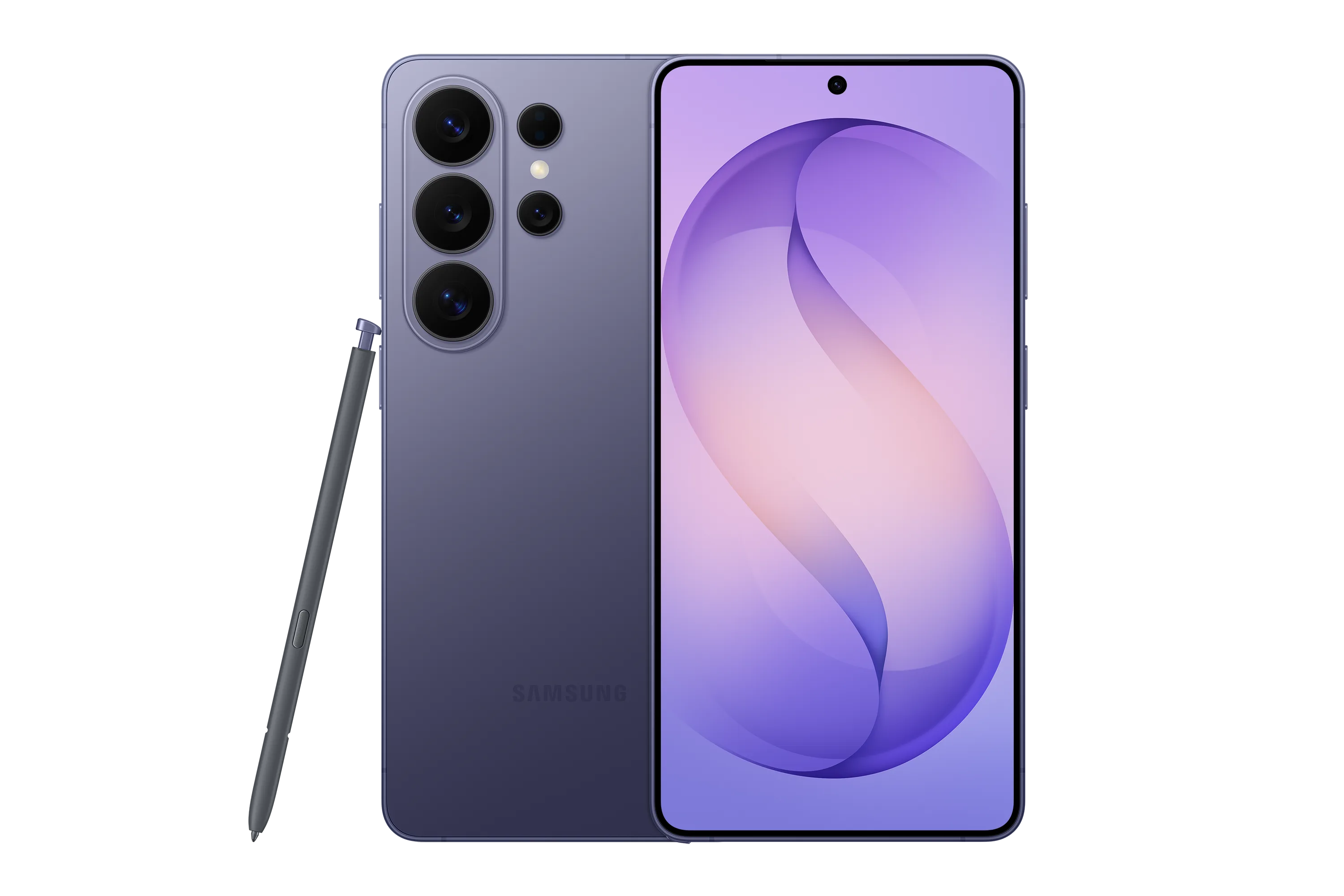
Image source: Samsung
In LeiTech’s view, Samsung’s willingness to abandon the stylus speaks volumes. Since the Note era, the S Pen has been a signature accessory on Samsung’s flagships; later integrated into the S-series Ultra models and then into the inner displays of foldables, Samsung deliberately cultivated “handwriting” as a distinctive differentiator—setting itself apart from both Apple and domestic Chinese brands. Even after discontinuing the Note series, Samsung continued treating the S Pen as a core brand symbol.
More importantly, for a long time, the S Pen served as a key technological “moat” distinguishing Samsung’s foldables from competitors’: Samsung’s horizontal foldables were historically the only foldable flagships capable of handwriting directly on their inner displays. Thus, the S Pen’s retirement is far more consequential than merely losing an accessory. LeiTech believes Samsung’s decision to drop the S Pen marks a pivotal transition—from the era of large-screen entertainment to the AI era.
Are Foldables and Styluses Fundamentally Incompatible?
That said, based on LeiTech’s hands-on experience with foldable smartphones over recent years, the pairing of foldables and the S Pen was destined to end in separation from the outset.
It’s widely known that the folding hinge is the most mechanically complex—and most fragile—component of the entire device. To accommodate pressure-sensitive recognition for the S Pen, Samsung had to add an extra digitizer layer beneath the flexible inner display; meanwhile, physical pressure from S Pen input inevitably transfers stress to the hinge mechanism.
This external compressive force risks deforming the hinge, which—in turn—can cause irreversible damage to the delicate inner display during folding. Anyone who has observed liquid leakage on foldable inner displays will notice that such failures typically stem from just two causes: foreign objects trapped inside the folded screen, or punctures inflicted on the inner display by the hinge itself as it folds inward.
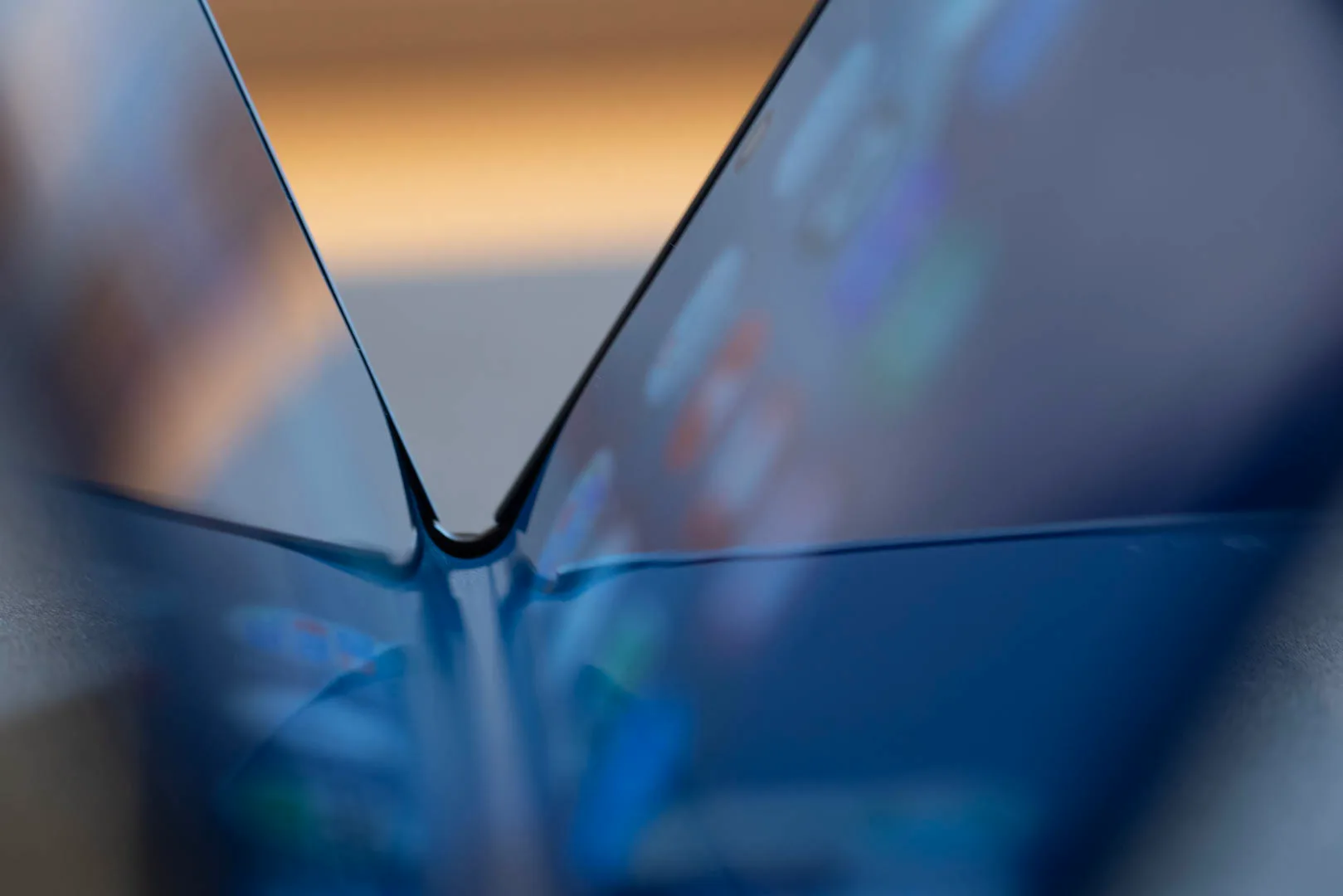
Image source: LeiTech
For this very reason, even during the era when the Z Fold series supported the S Pen, Samsung never dared enable universal stylus compatibility on foldables. To use the S Pen on a foldable, users must purchase a specially designed, proprietary S Pen model. And judging by sales figures, consumers have shown little enthusiasm for this separately sold accessory.
Morphologically speaking, the evolutionary trajectory of foldables over the past two years has also increasingly diverged from stylus usage: Honor and vivo have adopted a square, mini-tablet form factor, prioritizing multi-app multitasking over traditional tablet-like use cases; Huawei and Samsung, meanwhile, have pursued the “wide-fold” design path—making handwriting feel increasingly awkward.
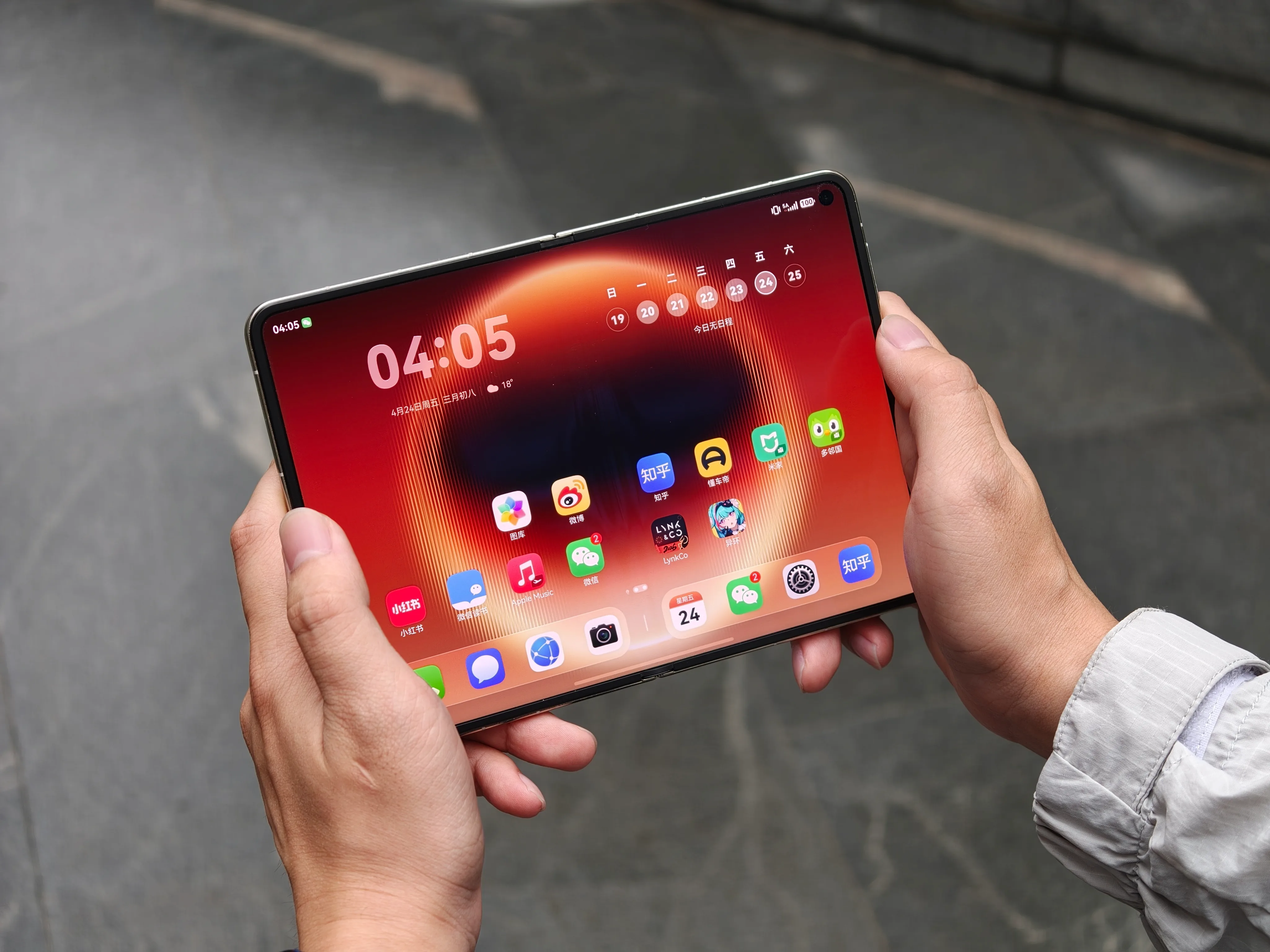
Image source: LeiTech
Hardware form dictates application scenarios, and application scenarios shape accessory ecosystems. Since manufacturers no longer see strong synergy between foldables and styluses at the product-strategy level, the S Pen’s eventual discontinuation was essentially inevitable.
AI Is the True “Executioner” of the Stylus
Yet according to LeiTech, hardware limitations and user-experience issues are merely the “internal factors” behind the S Pen’s decline. Its waning popularity is also driven by broader industry-level “external factors”—and that external catalyst, unsurprisingly, is today’s hottest topic across the mobile industry: AI.
From an input-modality perspective, the stylus—epitomized by the S Pen—delivers its greatest value by enabling “precise input” within touch-based interaction. But with the explosive rise of AI agents, our demand for precise manual interaction has plummeted: tasks like document formatting, image editing, and note-taking can now be delegated seamlessly to on-device AI agents. If we can accomplish these tasks simply by speaking, why bother writing them ourselves?
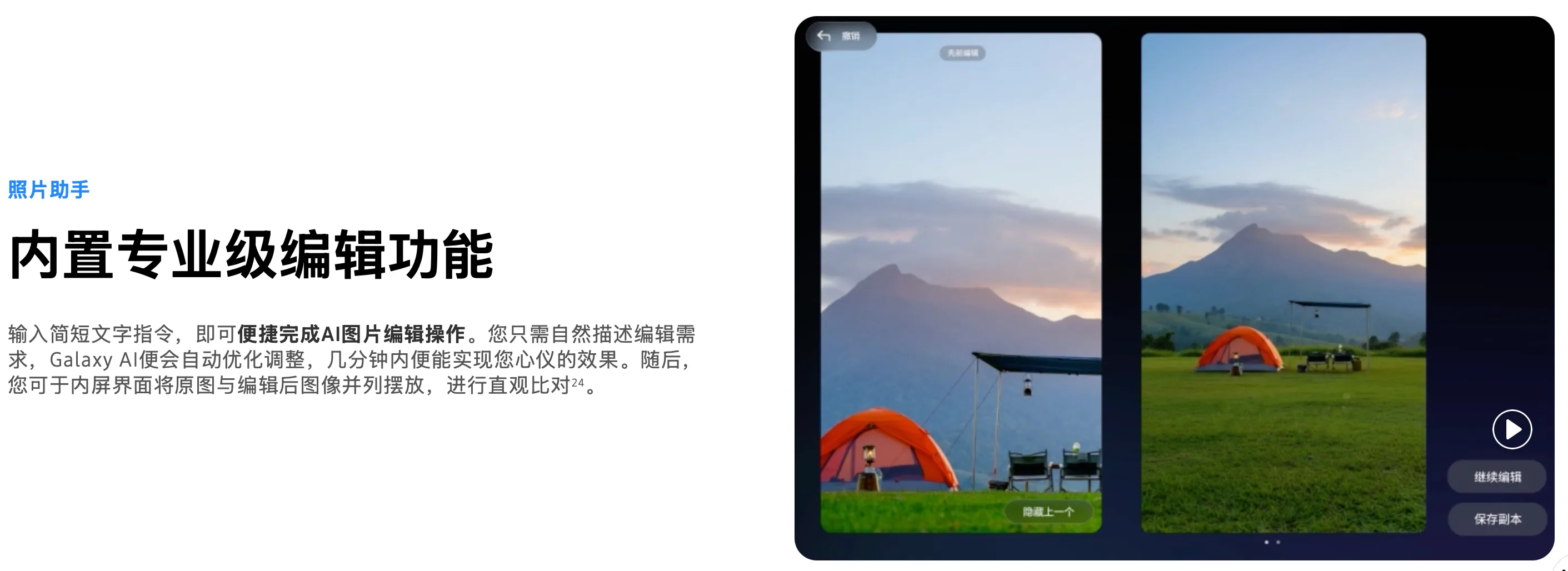
Image source: Samsung
Moreover, internal space within foldable smartphones is inherently scarce: the hinge occupies one zone, dual batteries take up two more, and the increasingly dense camera array consumes yet another. To squeeze meaningful battery life out of millimeter-scale chassis, manufacturers are even shaving down metal frame thicknesses. Clearly, ensuring AI remains “always-on” demands larger batteries—and thus, maximizing battery capacity becomes a top priority.
However, Samsung has historically shown limited enthusiasm for advancing battery energy density—its Galaxy Fold 7, for instance, carries only a 4400 mAh battery. To increase battery capacity without increasing device thickness, manufacturers naturally target low-utilization components inside the phone. And the S Pen’s sensing components have thus become collateral casualties in this hardware trade-off.
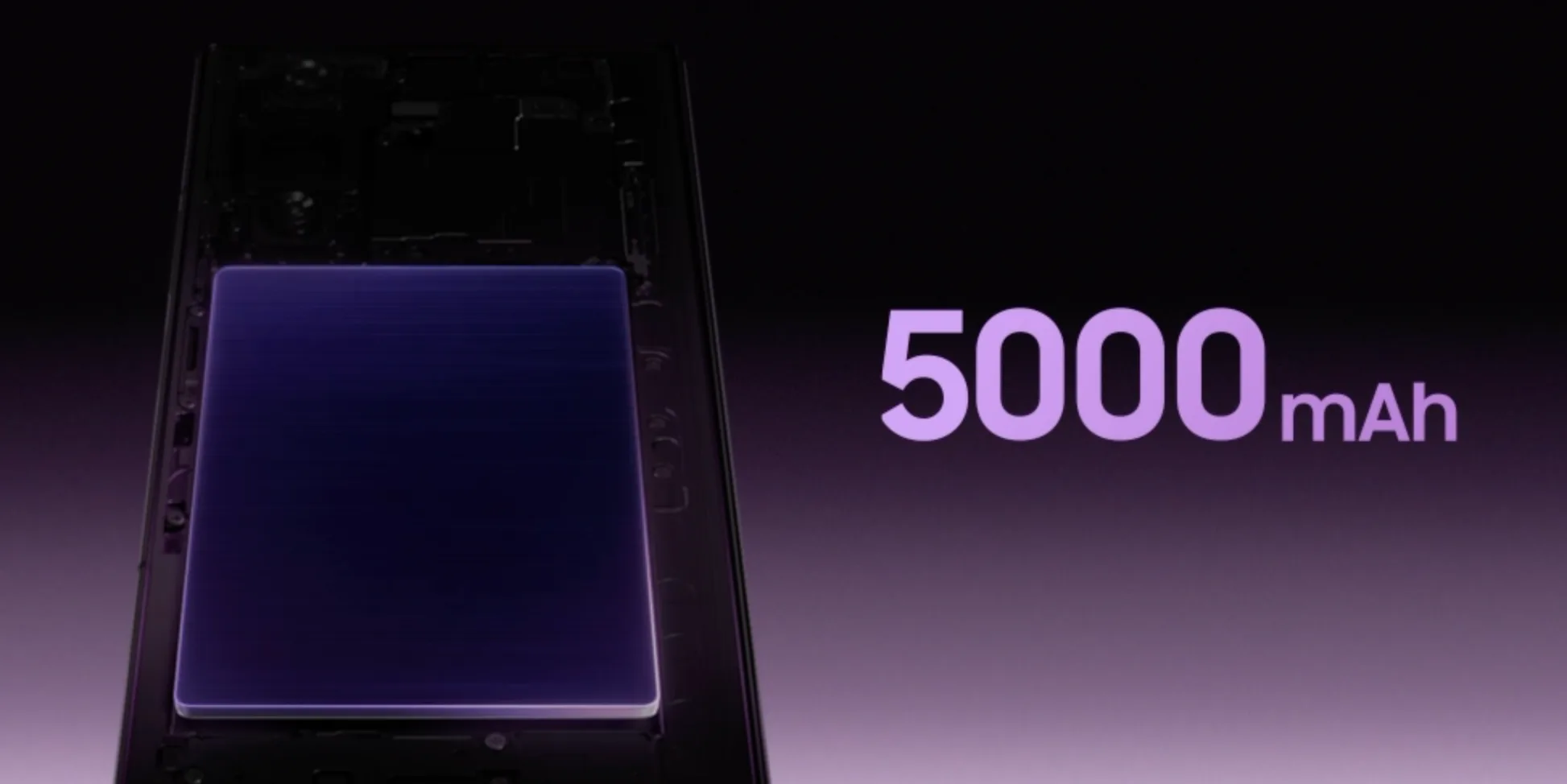
Image source: Samsung
From Keyboards to Styluses: What’s Next on the Chopping Block?
Viewed through the lens of industry evolution, it’s certain that styluses—exemplified by the S Pen—won’t be the final casualty in smartphones’ AI-era “slimming-down” initiative.
Recall that, to preserve slimness, smartphones have already eliminated numerous “essential” hardware elements over the past two decades: physical keyboards vanished first in the touchscreen era; removable batteries, 3.5mm headphone jacks, physical Home buttons, and microSD card slots have all gradually disappeared amid the relentless pursuit of sleeker designs. Each time a critical component was removed, the industry debated fiercely—only for users to realize, shortly thereafter, that they hadn’t missed it much; soon enough, public interest faded entirely.
Indeed, LeiTech holds that the S Pen is neither the first nor the last casualty of the AI era. For example, several years ago, some manufacturers began experimenting with piezoelectric ceramic speakers to replace traditional earpieces; physical volume and power buttons are now increasingly challenged by haptic feedback–based alternatives; even the once-indispensable physical SIM card is steadily being supplanted by eSIM technology.
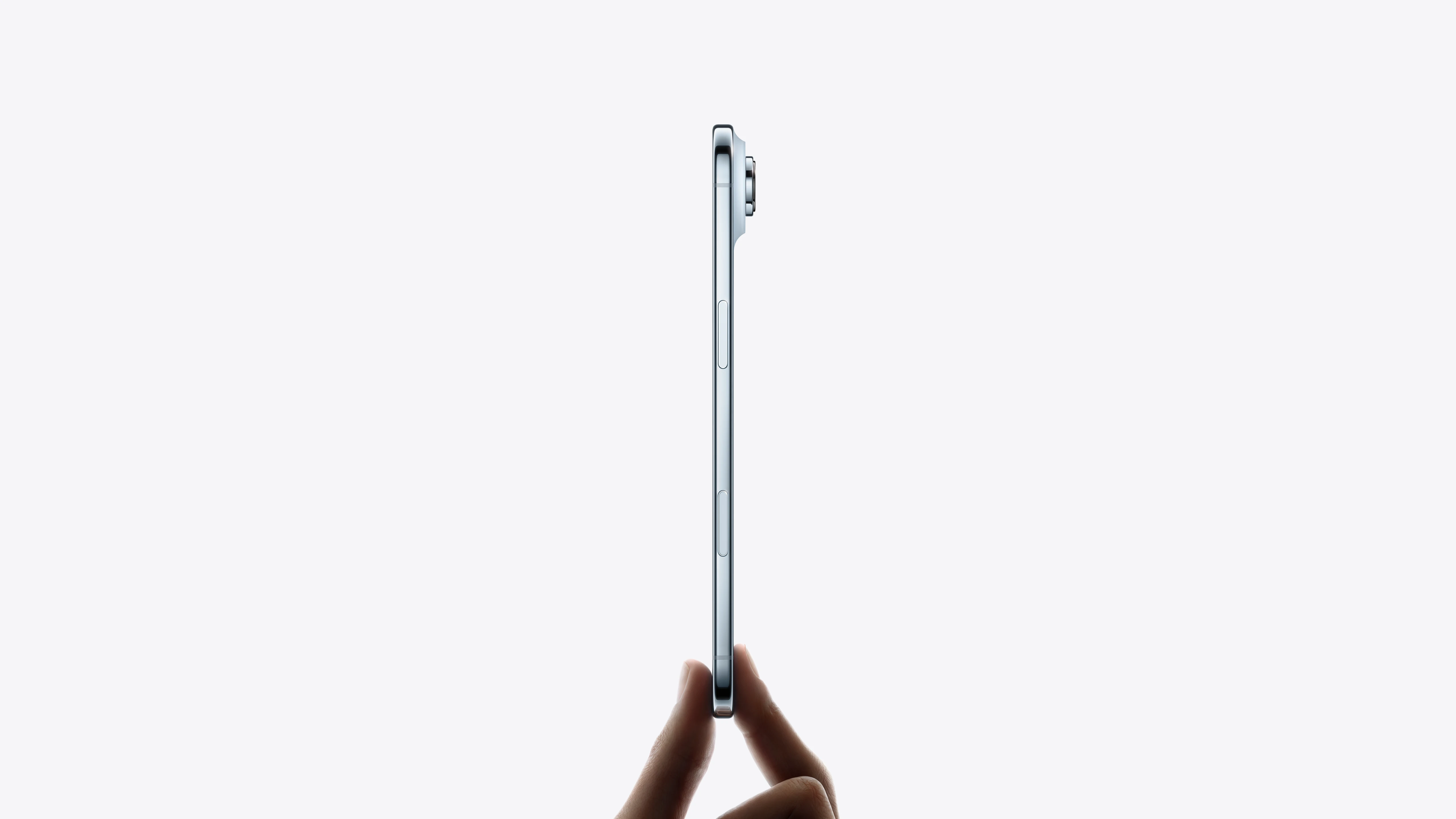
Image source: Apple
Yet rather than speculating about the next component to be axed, LeiTech argues that what truly warrants our attention is the next “new component” to emerge. Freed from legacy design paradigms, novel hardware forms now enjoy unprecedented development opportunities. Honor, for instance, has pioneered the “embodied intelligence” Robot Phone; earbuds with built-in cameras, modular cooling systems, and magnetic robot mounts showcased at CES—all leverage AI agent–enabled perception capabilities to explore fresh possibilities beyond conventional hardware forms.
From this vantage point, although we’ve lost the S Pen, we’ve gained a richer, more dynamic AI hardware ecosystem. By any measure, this is unequivocally a positive shift.
Manufacturers Must Stop Using “AI” as a Universal Excuse for Cost-Cutting
Looking back at the S Pen removed from the Z Fold 8, LeiTech sees its departure as signifying far more than just the loss of a single accessory. Zooming out, the mobile industry has long practiced “subtraction”—but each cut over the past two decades was accompanied by a superior alternative stepping in to fill the gap. Users grumbled, but ultimately accepted the change. This time, however, the cut targets the hardware itself: interaction has been fully absorbed into AI—no replacement is even needed.
For this reason, LeiTech contends there’s no need to mourn the S Pen—what we gain instead is a more efficient, more natural interaction paradigm. What truly merits vigilance is how “making room for AI” is rapidly becoming a catch-all justification for feature reduction: previously, cost-cutting drew sharp criticism; today, a simple claim like “we’re freeing up space for the battery” renders such reductions instantly defensible.
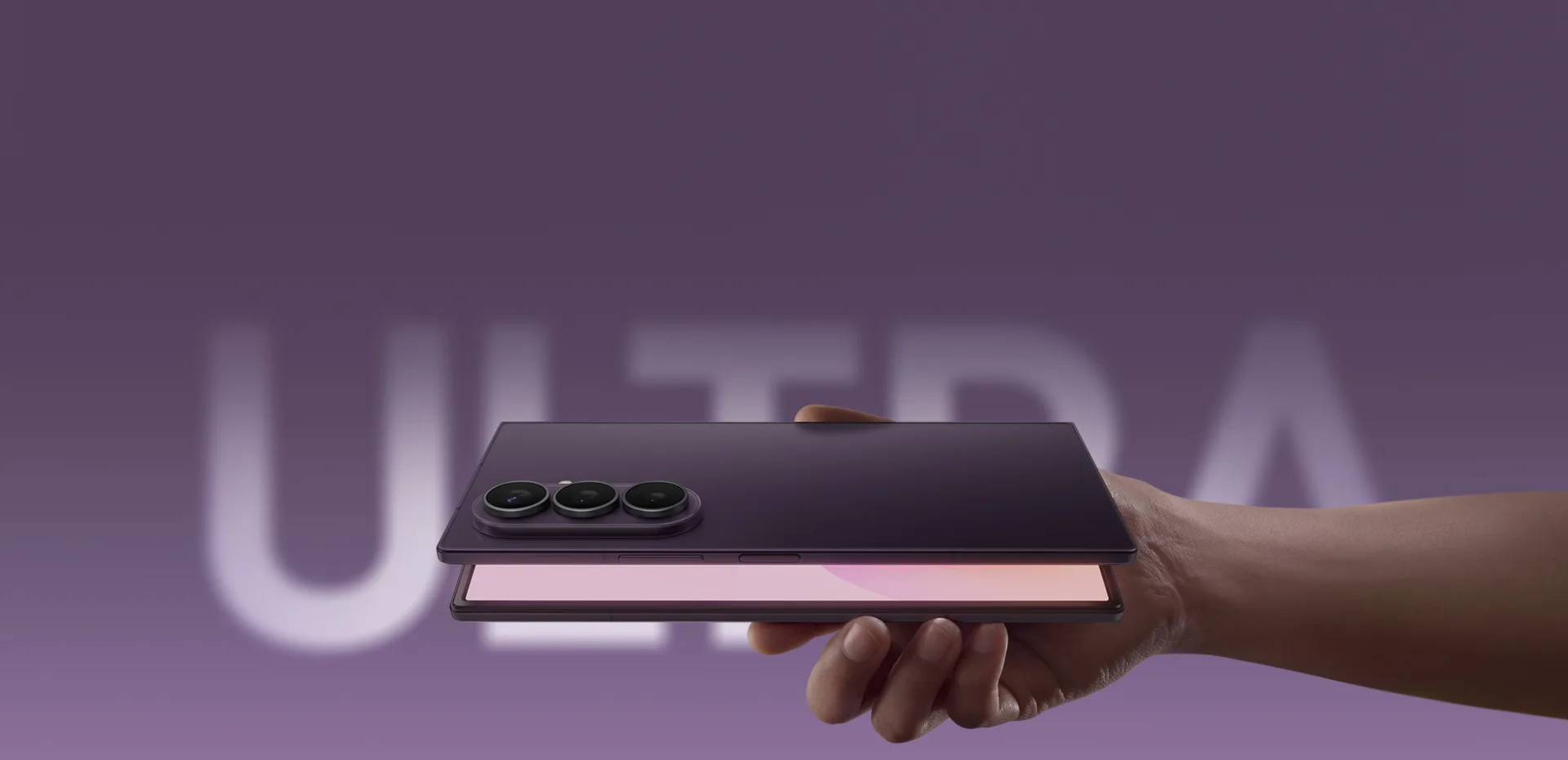
Image source: Samsung
As users, we readily acknowledge that slimming down devices can enhance usability. But if subtraction serves solely to reduce costs—not to improve functionality—such “optimization” will inevitably backfire and erode user trust.
As for how long the S Pen will persist on the S26 Ultra, only Samsung knows for sure.