
 雷科技
雷科技

























The UK fires the first shot and plans to levy road maintenance fees on new energy vehicles!
The UK government recently announced the launch of the Electric Vehicle Excise Duty (eVED) scheme starting April 1, 2028. Under the policy, battery electric vehicles (BEVs) and hydrogen fuel cell vehicles (FCEVs) will be taxed at 3 pence per mile (roughly 0.27 yuan per mile), while plug-in hybrid electric vehicles (PHEVs), including range-extended electric vehicles (REEVs), will face a tax rate of 1.5 pence per mile (around 0.14 yuan per mile).
This move has triggered widespread opposition among UK new energy vehicle owners, whereas fuel car drivers have welcomed the policy. Chinese netizens commented that the policy simply extends the long-standing road maintenance fees levied on gasoline vehicles to new energy models. “We gasoline car drivers have paid these fees for years; why should EV drivers be exempt?” many argued.
Chinese netizens need not envy this policy shift, however. Road maintenance fees targeting domestic new energy vehicle owners will soon arrive in China.
No One Can Dodge Mandatory Charges
Countries worldwide have rolled out extensive incentive policies to bolster the growth of the new energy vehicle sector. China has offered long-term exemptions on Vehicle Purchase Tax and Vehicle and Vessel Tax for new energy automobilesen.
As the industry matures, these tax breaks are being phased out. New energy vehicles were fully exempt from Vehicle Purchase Tax before 2026. Between January 1, 2026, and December 31, 2027, they qualify for a 50% reduction in Vehicle Purchase Tax, capped at a maximum tax discount of 15,000 yuan per vehicle.
New energy vehicles remain exempt from Vehicle and Vessel Tax until the end of this year, while energy-efficient conventional cars enjoy a 50% cut on this tax. All preferential tax policies for both new energy vehicles and energy-saving cars will be abolished starting January 1, 2027.

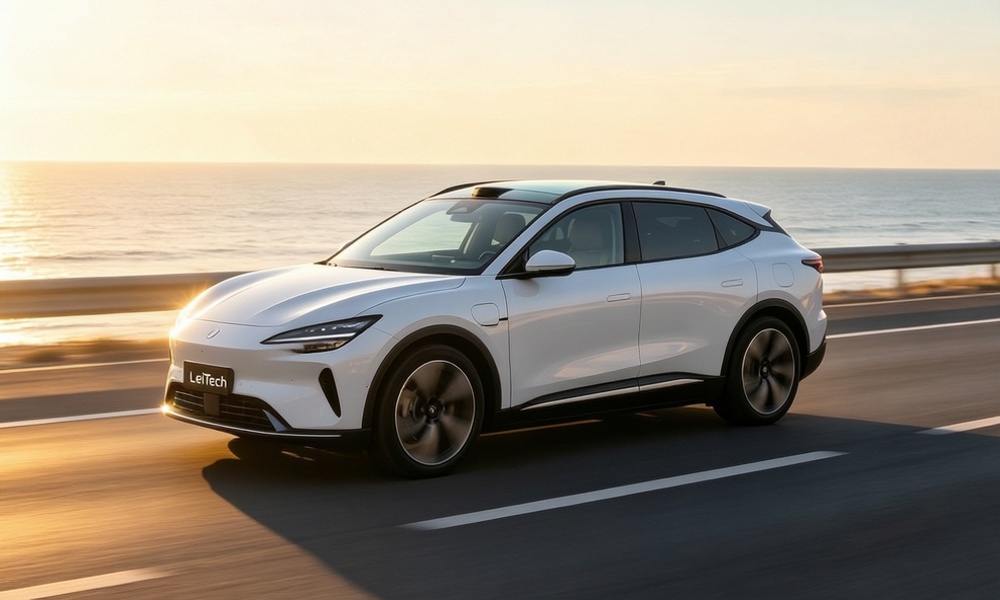
(Image source: Generated by Doubao AI)
On July 17, the Ministry of Finance, the General Administration of Customs and the State Taxation Administration issued the Announcement on Adjusting Consumption Tax Policies for Certain Batteries. It stated that starting September 1, 2026, China will adjust consumption tax policies for battery products in phases. Mercury primary batteries, nickel-metal hydride rechargeable batteries, lithium primary batteries, lithium-ion rechargeable batteries and all-vanadium flow batteries will be subject to consumption tax at a reduced rate of 2%. Effective September 1, 2027, these batteries will be taxed at the standard 4% consumption tax rate.
Nevertheless, Dianchetong (ID: dianchetong233) holds the view that adjustments to vehicle purchase tax, vehicle and vessel tax and battery consumption tax are only initial moves. More taxes and fees are set to affect owners of new energy vehicles.
Following the fuel tax reform in 2009, owners of gasoline-powered vehicles in China are mainly required to pay multiple levies including consumption tax on refined oil products, value-added tax, urban maintenance and construction tax, education surcharge (including local education surcharge), and more. The road maintenance fee commonly mentioned by car owners has been replaced by the consumption tax on refined oil.

(Image source: Generated by Doubao AI)
These taxes are not paid as a one-time lump sum but are embedded in gasoline prices. The more miles a vehicle travels and the higher its energy consumption, the more taxes the owner has to pay. This forms an important, long-term and steady source of tax revenue.
The market penetration rate of new energy vehicles has exceeded 60% for several consecutive months. The total number of fuel-powered vehicles is about to hit an inflection point and stop growing. As the number of gasoline vehicles enters a declining phase, tax revenue may face a shortfall. Topics related to "road maintenance fees for new energy vehicles" have repeatedly trended on major online platforms.
For this reason, levying assorted taxes and fees on owners of new energy vehicles is an inevitable trend. Unlike one-time taxes including vehicle purchase tax, vehicle and vessel tax and battery consumption tax, future charges will most likely adopt the mileage-based billing method used for the UK’s electric vehicle excise duty.
When it comes to tax criteria for battery electric vehicles, plug-in hybrids and range-extended electric vehicles, a unified tax rate will inevitably lead to double taxation for plug-in hybrid and range-extended models. It is extremely difficult to split taxes based on the proportion of fuel and electricity consumed by such vehicles. The most reasonable solution is to follow the UK’s policy, requiring plug-in hybrid and range-extended vehicles to pay taxes at half the rate applied to pure electric vehicles.
If this policy is implemented, China’s automobile industry will surely suffer massive turbulence, yet fuel vehicles will most likely not be the biggest beneficiaries.
PHEV/REEV are the meta vehicles
On various social media and news platforms, Dianchetong (ID: dianchetong233) has noticed that many netizens believe fuel vehicles will regain mainstream popularity once new energy vehicles are subject to these new taxes. Their argument is that batteries push up EV costs considerably; gasoline cars of the same class cost much less. Without the advantage of low travel expenses, new energy vehicles will lose market competitiveness.
Admittedly, high battery costs make new energy vehicles more expensive than equivalent fuel cars on the current domestic market. Nevertheless, consumers do not base vehicle purchases solely on upfront costs and daily travel expenses. New energy vehicles deliver an all-around superior driving experience with quieter operation, stronger power output, and electric motors featuring ultra-fast response that pair excellently with high-level intelligent driving systems.
In the high-end auto market, legacy carmakers enjoy prominent brand premiums, so gasoline models do not cost less than comparable new energy vehicles. Even if new energy vehicles lose their travel cost edge, fans of AITO, Li Auto and NIO are unlikely to switch to fuel vehicles.
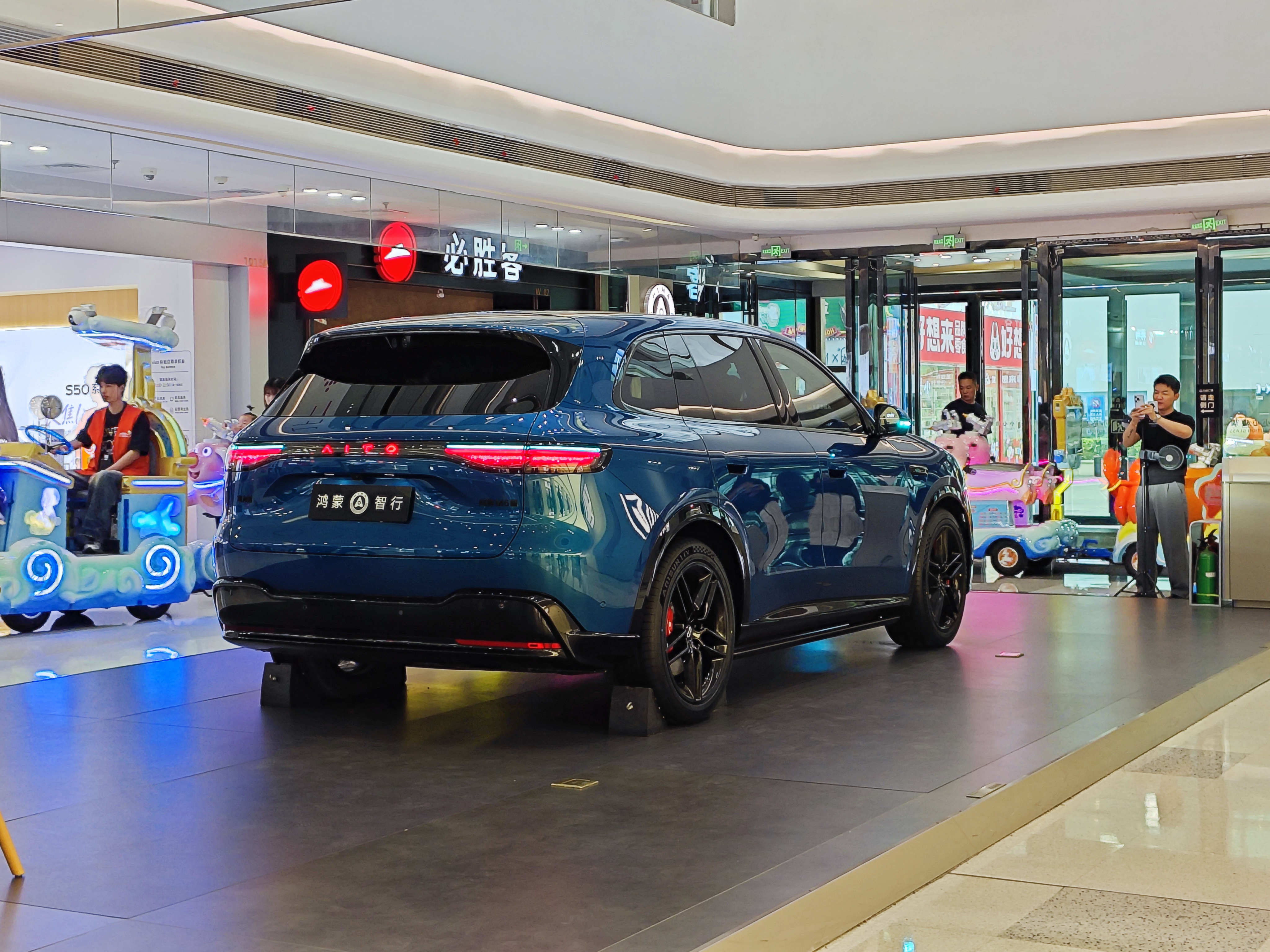
(Image source: Dianche Tong)
Of course, some consumers prioritize cost performance. When both the purchase and travel costs of new energy vehicles rise, they will be more inclined to buy fuel-powered cars.
From the perspective of Dianchetong (ID: dianchetong233), if mileage-based charging for new energy vehicles is adopted worldwide, large-battery range-extended and plug-in hybrid models will undoubtedly be the biggest winners, while small-battery versions of such vehicles will become the biggest losers.
Over the past two years, numerous large-battery range-extended and plug-in hybrid vehicles have been launched in China, generally boasting an all-electric cruising range of over 200 kilometers. Hybrid variants of models including Leapmotor D19, Xpeng GX, the all-new Li L8 and Wey V9X deliver an all-electric range exceeding 400 kilometers.
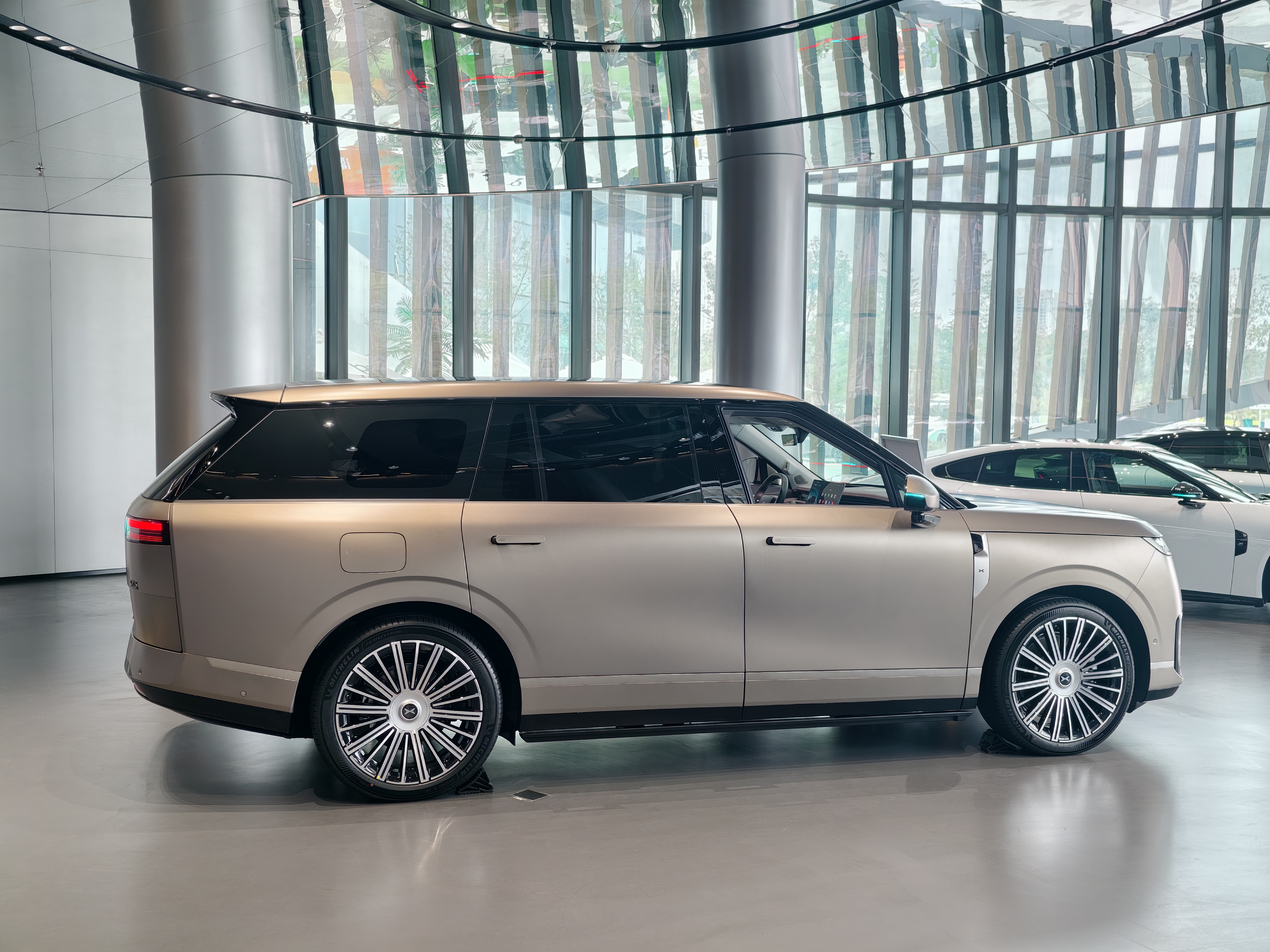
(Photo credit: Filmed by Dianchetong)
Large-battery PHEVs and REEVs support daily commuting running purely on electricity with no gasoline needed. For long-distance hurried trips, occasional refueling barely adds extra running costs, yet their applicable tax rate is only half that of battery electric vehicles (BEVs).
In contrast, small-battery PHEVs and range-extended cars face a tough situation. Take my own BYD Destroyer 05 as an example. Its official all-electric range stands at 55 kilometers, yet real-world mileage is even lower. Its electric range is far insufficient for slightly longer trips, so I basically drive it as a gasoline car. I have only charged it once in nearly four years of ownership. If additional consumption tax is levied on such small-battery PHEVs and REEVs, I will essentially end up paying taxes twice for one vehicle.
Considering the predicament of owners with small-battery plug-in and range-extended hybrids, Dianchetong argues that whether in the UK or China, mileage-based taxation should factor in the all-electric driving range of PHEVs and REEVs. Another viable adjustment is to set a production-year threshold for the new tax rule; for instance, only PHEVs and REEVs manufactured after 2028 shall be subject to the newly added levies.
It is predictable that if China follows Britain’s lead and imposes mileage taxes based on new energy vehicles’ electric range, large-battery PHEVs and REEVs will become consumers’ top pick balancing purchase expense, running cost and usability. These vehicle types will further consolidate their market standing.
It is worth noting that non-pluggable conventional hybrid electric vehicles (HEVs) will also benefit from the new policy. HEVs deliver strengths typical of new energy cars including strong power, snappy acceleration response and low energy consumption at low speeds. Their batteries are generally capped at 5 kWh, with mainstream models equipped with 1–2 kWh batteries, exerting minimal impact on overall vehicle costs. Such models are poised to win greater customer favor amid rising acquisition and travel costs for EVs and high gasoline prices.
Overall, the rollout of mileage-based road fees will erode the cost advantages of new energy vehicles. Some cost-focused consumers will switch back to gasoline cars. Nevertheless, mid-to-high-end EV buyers will largely stick to electric vehicles rather than internal combustion cars thanks to tangible driving experience gaps.
Large-battery plug-in hybrids and range extenders emerge as the biggest beneficiaries thanks to lower taxation plus flexible dual gasoline-electric usability, while small-battery PHEVs suffer prominent drawbacks due to poor practicality. Meanwhile, non-pluggable mild hybrids (MHEVs) will capture the mass-entry essential vehicle market with low costs and efficient fuel economy, turning out to be hidden winners.
The golden age of new energy vehicles is drawing to an end
The UK has pioneered mileage-linked taxation on electric vehicles, kicking off the normalization of targeted taxes for new energy transport. China has also embarked on the phase-out of preferential policies for NEVs. The prosperous era driven by policy perks for the new energy automobile industry is truly coming to an end.
Successive new regulations including halved vehicle purchase tax, cancellation of vehicle and vessel tax incentives and newly introduced battery consumption tax are putting an end to years of policy dividends for new energy vehicles. This trend does not signal industry downturn but represents an inevitable outcome of market maturation. The new energy sector is stepping away from policy protection and entering an era of sound market-oriented competition.

(Image source: Generated by Doubao AI)
Tax reform will reshape the cost logic of car purchase and usage, leading to an increasingly divergent automotive market. If China follows the UK to implement tiered mileage-based charges in the future, the competitive landscape of vehicle models will undergo a thorough reshuffle.
The cost advantage of battery electric vehicles in daily use will shrink significantly. Small-battery plug-in hybrids and range-extended vehicles will be trapped in an awkward situation of being taxed for both fuel and electricity, with their cost performance completely collapsing. Long-range large-battery plug-in hybrids and range-extended models enjoy half tax rates alongside flexible gasoline-electric dual-mode driving, striking an ideal balance between cost and practicality and emerging as the optimal choice under the new policy. Meanwhile, low-capacity conventional hybrid vehicles precisely cater to rigid demand markets by virtue of low costs and low energy consumption.
Tighter policies will not halt the general trend of electric transformation. Instead, they will weed out low-end production capacity that survives solely on policy dividends and push automakers to deepen technological research and upgrade product competitiveness.
The future automotive market will no longer see new energy vehicles unilaterally eating into the market share of fuel vehicles. Gasoline cars will recapture part of the rigid demand market thanks to their maturity, stability and independence from supporting infrastructure, while new energy vehicles will hold firm in the mid-to-high-end market with strengths in intelligence, comfort and power performance. The two camps will enter a long-term competitive tug-of-war.
WAIC 2026 themed "Intelligent Partners · Co-create the Future" has successfully concluded.
The AI narrative has shifted—from stacking model parameters toward tangible Agent-driven productivity. Heterogeneous collaboration and photonic computing continue pushing computational ceilings higher. Embodied intelligence accelerates real-world deployment: robots entering homes and factories are turning physical AI into reality.
The LeiTech WAIC exhibition team has returned to Guangzhou and is conducting intensive post-event analysis and reporting. Stay tuned!