 雷科技
雷科技























Chery’s Yin Tongyue Vows to End Involution: Empty Slogan or Genuine Commitment?
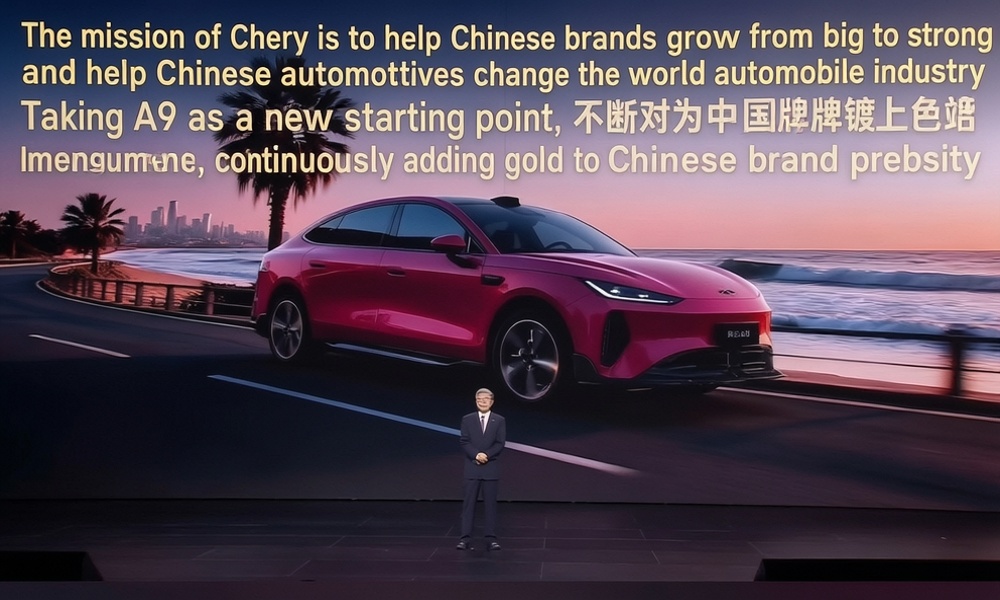
At the launch event of the Chery Fulwin A9 held on July 25, Chery celebrated a major milestone: its cumulative global sales had surpassed 20 million units.
At the event, Yin Tongyue stated, “After hitting the 20 million mark, we will no longer engage in involution. We will no longer chase sales volume alone. Instead, we will focus on upgrading our brand, creating greater value, making more technological breakthroughs, and lifting customer satisfaction to new heights.”
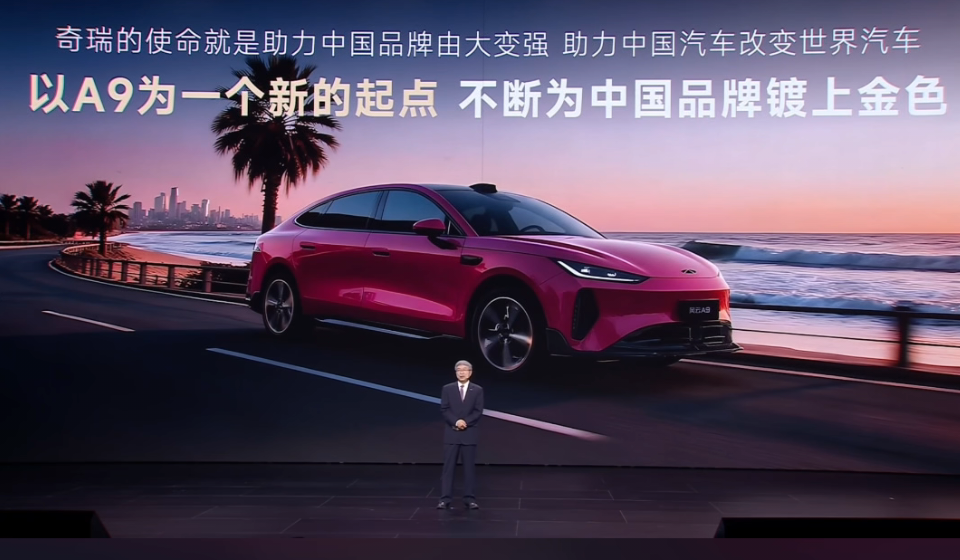
(Image source: LeiTech: Live broadcast screenshot)
This is not the first time Yin Tongyue has spoken out against involution. He put forward similar views as early as 2025.
During the 2025 Two Sessions, Yin Tongyue remarked, “Downward involution-style competition has no future. I call on everyone to turn involution into expansion.”
During this year’s Two Sessions, he went even further, stating that “involution goes against the spirit of entrepreneurship.” He noted that enterprises should create greater wealth using social resources; if a company operates at a loss or goes bankrupt, it wastes social resources, imposes a burden on society, and fails to be responsible to its customers.
It is clear that Yin Tongyue’s stance against involution is not a spur-of-the-moment idea, but a long-held conviction. The question remains: can his remarks truly steer Chery away from involution, and help cool the involution trend across the entire industry?
Is Chery’s Anti-Involution Pledge Realistic?
With competition in the auto industry reaching a fever pitch, it is nearly impossible for any automaker to stay entirely out of the fray.
As Yin Tongyue put it at the 2025 China Auto Forum: “In reality, we have joined the price war and taken part in involution.” He added, “We are actually a rather cautious enterprise. We always follow others in doing good things, and we also follow them in doing bad things.”
Yet when competition escalates to life-or-death intensity—even raising the possibility of selling vehicles at a loss—it becomes especially commendable for any brand to publicly advocate against involution.
However, when industry competition has escalated into a life-or-death struggle, with some automakers even selling vehicles at a loss, it is truly commendable for a brand to step up and call for an end to involution.
According to data from the China Association of Automobile Manufacturers (CAAM), the average profit margin of domestic automobile manufacturing fell to 1.5% in the first half of 2026, the lowest level in nearly a decade. In other words, for every 200,000-yuan car sold, automakers earn an average profit of just 3,000 yuan.
In July, the First Department of Equipment Industry of the Ministry of Industry and Information Technology (MIIT) held a symposium with key automakers. The core agenda was to resolutely resist irrational competition and strengthen product testing, verification and safety assessment.
Prolonged involution and low-price competition have not only squeezed profit margins across upstream and downstream supply chains and reduced employee benefits. When automakers cut production costs to lower selling prices, vehicle safety also suffers — ultimately harming consumer interests.
Therefore, the relentless involution in the auto industry is long overdue for a cool-down.
Turning back to Chery, the company has been addressing internal involution since last year.
According to a NetEase Technology report, at last year’s mid-year management meeting, Yin Tongyue publicly apologized for the company’s overtime culture. He stated that past management practices were highly inhumane, and pledged to cut down on meetings, improve efficiency, and cancel Saturday meetings so that employees working away from home would have time to return to their families.
Previously, Chery had a notoriously intense work culture. For example, a deputy general manager once sent an email claiming that “Saturdays are normal workdays for strivers.” Some employees even said overtime was a daily occurrence at Chery, and working on Saturdays had effectively become “regular work.”
It remains unclear whether overtime practices at Chery have improved, but the fact that Yin Tongyue addressed the issue at a company-wide meeting at least shows he disapproves of the current involution culture and hopes to make changes.
As for the pledge made at the Fulwin A9 launch — “we will no longer engage in involution, we will no longer chase sales volume alone” — will it turn out to be empty words in practice?
Looking at Chery’s current sales breakdown: in June this year, Chery Group’s total monthly sales reached 256,612 units, of which 185,220 were export sales, accounting for 72.2% of the total.

(Image source: Chery)
In other words, for every four cars Chery sold in June, just over one was sold in the Chinese mainland market. This means Chery is not as dependent on its home market as several other domestic auto brands.
According to Dianchetong (ID: dianchetong233), for Chery, stepping back from involution may lead to lower sales and revenue in the mainland market, but the gap can be offset by profits from overseas markets.
Moreover, ending involution will allow Chery to focus more on product profitability and brand value, which is beneficial for the brand’s long-term development.
This is similar to the current state of the smartphone market. A few years ago, when memory and storage prices were relatively low, smartphone brands jumped into price wars one after another, trying to grab users by slashing profit margins. Competition grew especially fierce during shopping festivals like 618 and Double 11.
But now, with the continuous development of AI, memory and storage prices have risen sharply, making the low-price involution model unsustainable for smartphone brands. Major players have chosen to lower shipment expectations and raise prices to protect profits.
In the short term, smartphone brands may see sales impacted. But in the long run, reduced involution and less pressure to poach users from one another will actually be more conducive to the development of all brands.
All things considered, Chery’s decision to step away from involution is beneficial in the long run. But whether it can change the entire industry is not something Chery alone can decide.
When Will Auto Industry Involution Come to an End?
Against the current backdrop of the auto industry, many automakers have voiced views against involution.
For example, FAW Group clearly stated in this year’s New Year address: “We will take the lead in opposing involution-style competition, consciously safeguard a fair market order, and promote the healthy development of the industry.”
Zhu Huarong, chairman of Changan Automobile, coined the slogan “Eat steamed rolls, reject involution” at the 2025 Chongqing Auto Show.
Li Shufu of Geely said at this year’s Two Sessions that involution-style competition in the industry is “much better” than before. Going forward, Geely will not simply wage price wars, but focus on competition in technology, quality, service, brand value and brand ethics.
Lei Jun, chairman of Xiaomi, put forward the slogan during the 2025 Two Sessions: “We must take a clear-cut stance against involution and stick to the path of high-quality development.”
Of course, these are only a few examples. Brands including BYD, Great Wall Motors, XPeng, NIO and BAIC have all also expressed views against involution.
It is fair to say that opposing involution has now become an industry consensus. But consensus is one thing — fierce competition is another.
Back in 2023, for instance, CAAM joined hands with 16 enterprises — FAW, Dongfeng, SAIC, Changan, BAIC, GAC, Sinotruk, Chery, JAC, Geely, Great Wall Motors, BYD, NIO, Li Auto, XPeng and Tesla — to sign the Commitment on Maintaining Fair Market Order in the Automobile Industry.
One clause in the commitment read: “Standardize marketing activities, maintain fair competition order, and refrain from disrupting fair market competition with abnormal pricing.”
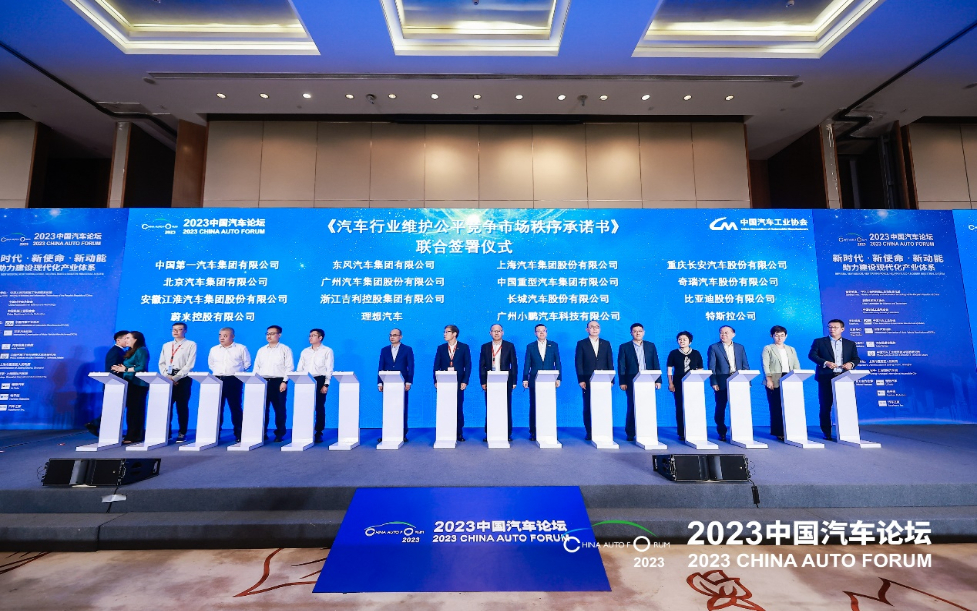
(Image source: 2023 China Automobile Forum)
But just two days after the commitment was released, CAAM issued a statement saying that the clause about “not disrupting fair market competition with abnormal pricing” contained “inappropriate wording regarding prices that violates the spirit of the Anti-Monopoly Law,” and therefore removed the content from the document.
So while most automakers are tired and worn out from involution, in the short term, each brand still wants to make one final push.
Will Tomorrow Be Better?
While major automakers are currently stuck in a state where they can neither fully lie flat nor win the involution race, Dianchetong (ID: dianchetong233) believes that involution-style competition among automakers will gradually ease in the long run.
On one hand, policies will gradually guide automakers to reduce the intensity of competition, shifting the focus from price to quality, service and other areas.
On the other hand, regulatory authorities have launched inspections on vehicle quality, with Aion and XPeng as the first batch of enterprises under scrutiny.
Therefore, under combined policy guidance and quality oversight, industry-wide involution may gradually subside—and the automotive sector’s future may indeed grow brighter.
ChinaJoy 2026, themed Roaming with AI, will kick off with great fanfare on July 31.
A total of 900 pan-entertainment exhibitors, including Tencent, NetEase, Sony, Qualcomm, MACHENIKE and Qingxian, will join forces to present a grand feast of global entertainment.
Powered by AI, how will hardware brands spanning terminals, peripherals, robotics, displays and chips cross paths with the gaming content industry to deliver new entertainment experiences?
Led by founder and editor-in-chief Luo Chao, Leitech’s ChinaJoy 2026 reporting team will descend on Shanghai for comprehensive on-site coverage. Stay tuned for more.