
 雷科技
雷科技



















On September 1, 2026, Tim Cook—Apple’s CEO for over a decade—will officially step down. His successor is John Ternus, Apple’s current Senior Vice President of Hardware Engineering. The new CEO faces a long list of pressing responsibilities.
This fall, Apple plans to launch a large number of new hardware products. Before being named CEO-elect, Ternus had already overseen multiple hardware product lines—including the critically important iPhone—and is widely expected to further strengthen Apple’s hardware portfolio after assuming the CEO role.
Meanwhile, Apple confronts numerous challenges. Recently, Apple unexpectedly announced significant price hikes across its product lineup—with most increases exceeding 20%. The immediate cause is surging memory component costs. Additionally, Apple’s lag in AI development has drawn widespread criticism; its AI frameworks in iOS 27 and other operating systems starkly reveal the gap between Apple’s in-house capabilities and those of leading AI companies.
Moreover, a major data breach at Tata Electronics—the Indian contract manufacturer for Apple—has triggered Apple’s most severe leak incident to date, fully exposing Apple’s supply chain strategy.
16 New Products Launching Simultaneously; First-Ever Product Categories Debut
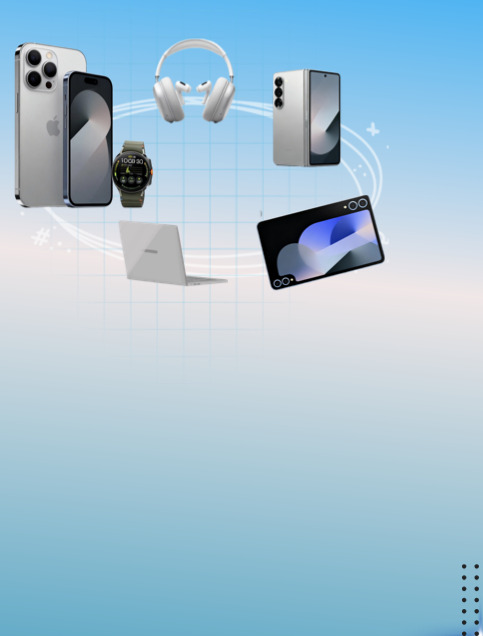
According to multiple credible leaks, Apple will unveil at least 16 new products this fall—including three iPhone models, five Macs, four IoT devices, two smartwatches, and two tablets. Several of these products will feature substantial design changes—or even debut entirely new categories within Apple’s lineup.
Smartphones: iPhone 18 Pro Stands Alone; Foldable Likely Delayed
Starting with iPhones, this year’s fall launch event marks Apple’s smallest iPhone lineup in recent years—featuring only the iPhone 18 Pro series and the iPhone Fold. It is now virtually certain that the standard iPhone 18 and iPhone 18e will be postponed to next spring, while the iPhone Fold itself is unlikely to enter mass production or launch commercially until next year. As such, the iPhone 18 Pro series will serve as Apple’s sole smartphone volume driver for both autumn and winter.
Regarding the iPhone 18 Pro series, upgrades—including the A20 Pro chip and Apple’s in-house C2 modem—are widely anticipated. A more groundbreaking change is the main camera’s variable aperture, which promises improved imaging performance. Other updates—such as battery capacity, industrial design, and SIM tray configuration—are relatively incremental.
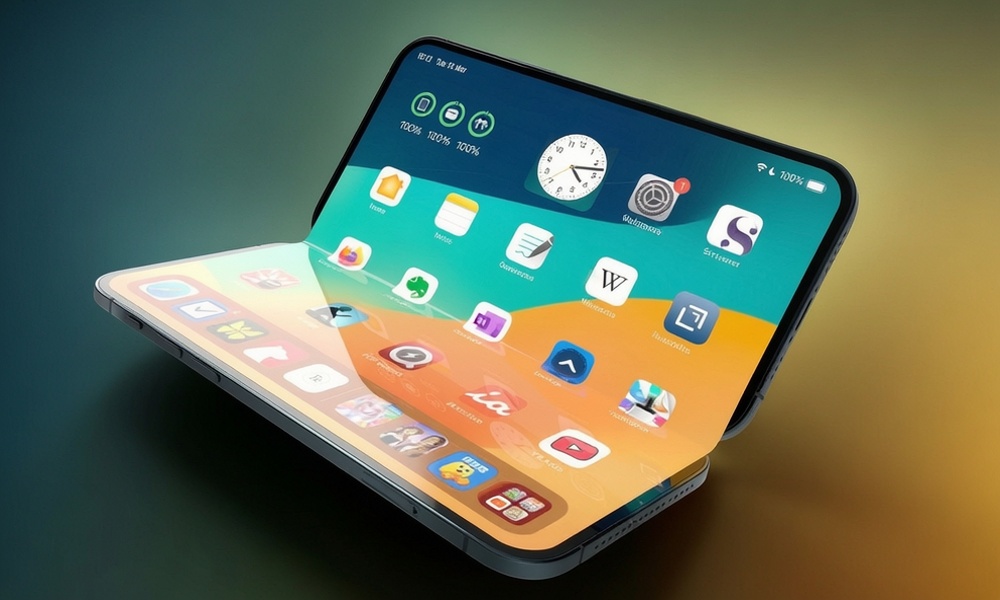
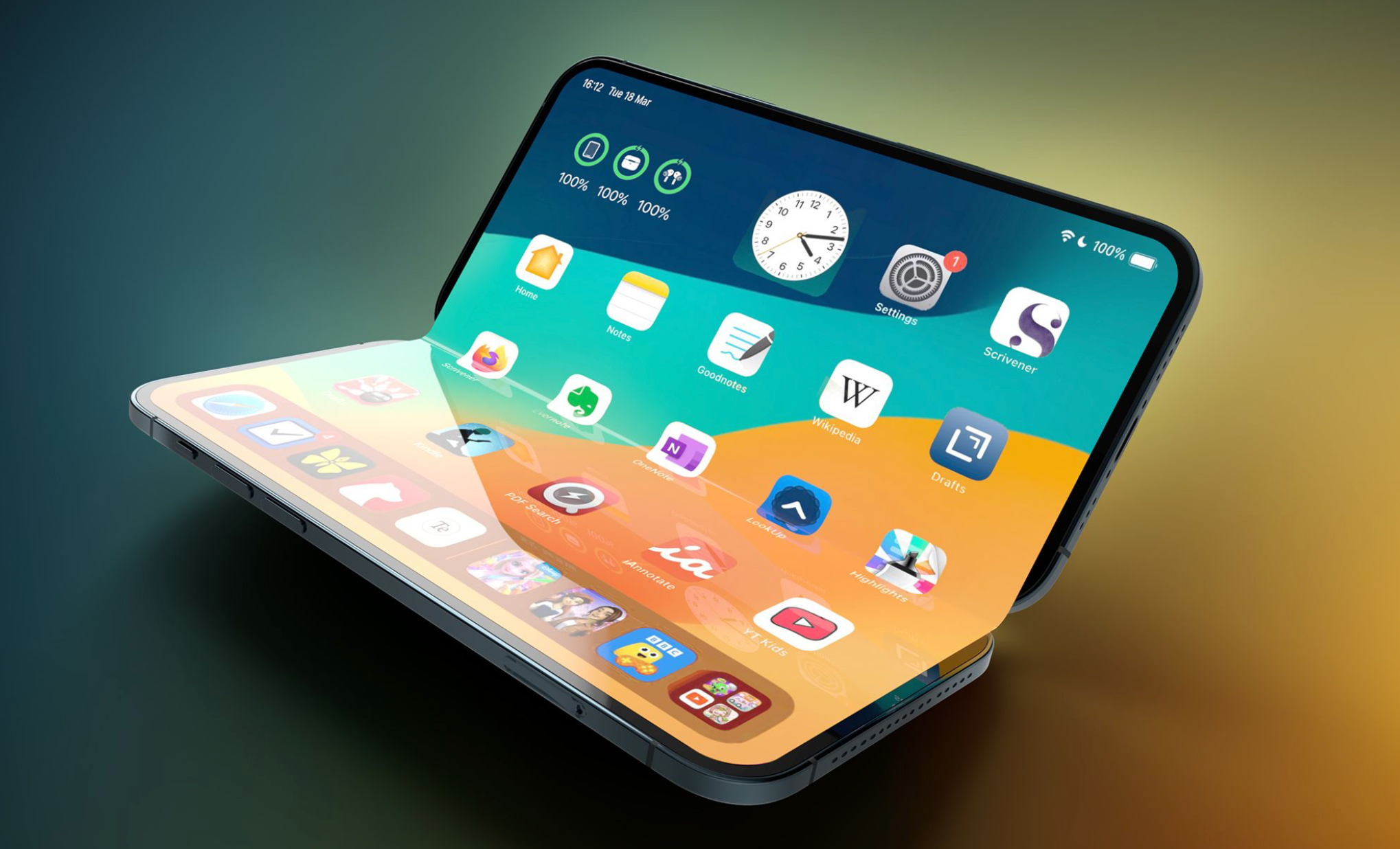
The iPhone Fold will definitively use Samsung’s “seamless” foldable display and adopt a conservative, reliability-first design philosophy. It will share the same A20 Pro chip as the iPhone 18 Pro, utilize a wide-crease folding mechanism, and feature a more robust liquid-metal hinge.
(Source: MacRumors)
In terms of imaging and other specifications, the iPhone Fold is expected to largely mirror the iPhone 18 Pro—essentially merging the form factors of an iPhone and an iPad mini. However, Apple’s foldable device will forego Face ID and Dynamic Island, reverting instead to Touch ID fingerprint authentication.
Currently, the primary bottleneck limiting the iPhone Fold’s production ramp-up is low yield on the liquid-metal hinge. Although Apple aims to secure 10 million units in initial inventory, whether it can meet that target by year-end remains uncertain. In the worst-case scenario, the iPhone Fold may not launch until early next year.
Based on current leaks, the iPhone 18 Pro series delivers modest, incremental upgrades—lacking any truly standout innovations. With the lineup shrinking from three models to two—and compounded by price increases—it’s virtually guaranteed that sales will fall short of those achieved by the iPhone 17 series. Even if the iPhone Fold launches before year-end, its ~¥20,000 (~$2,800 USD) price point severely limits potential volume.
PCs: First Touchscreen MacBook Signals Apple’s Premium Push
This fall, Apple will release five Mac models. The Mac Studio, Mac mini, and iMac represent routine refreshes featuring Apple’s new M5-series chips. Meanwhile, the new 14-inch MacBook Pro will debut the M6 chip—highlighted by a 2nm process node, 200 GB/s memory bandwidth, and enhanced on-device AI processing power.
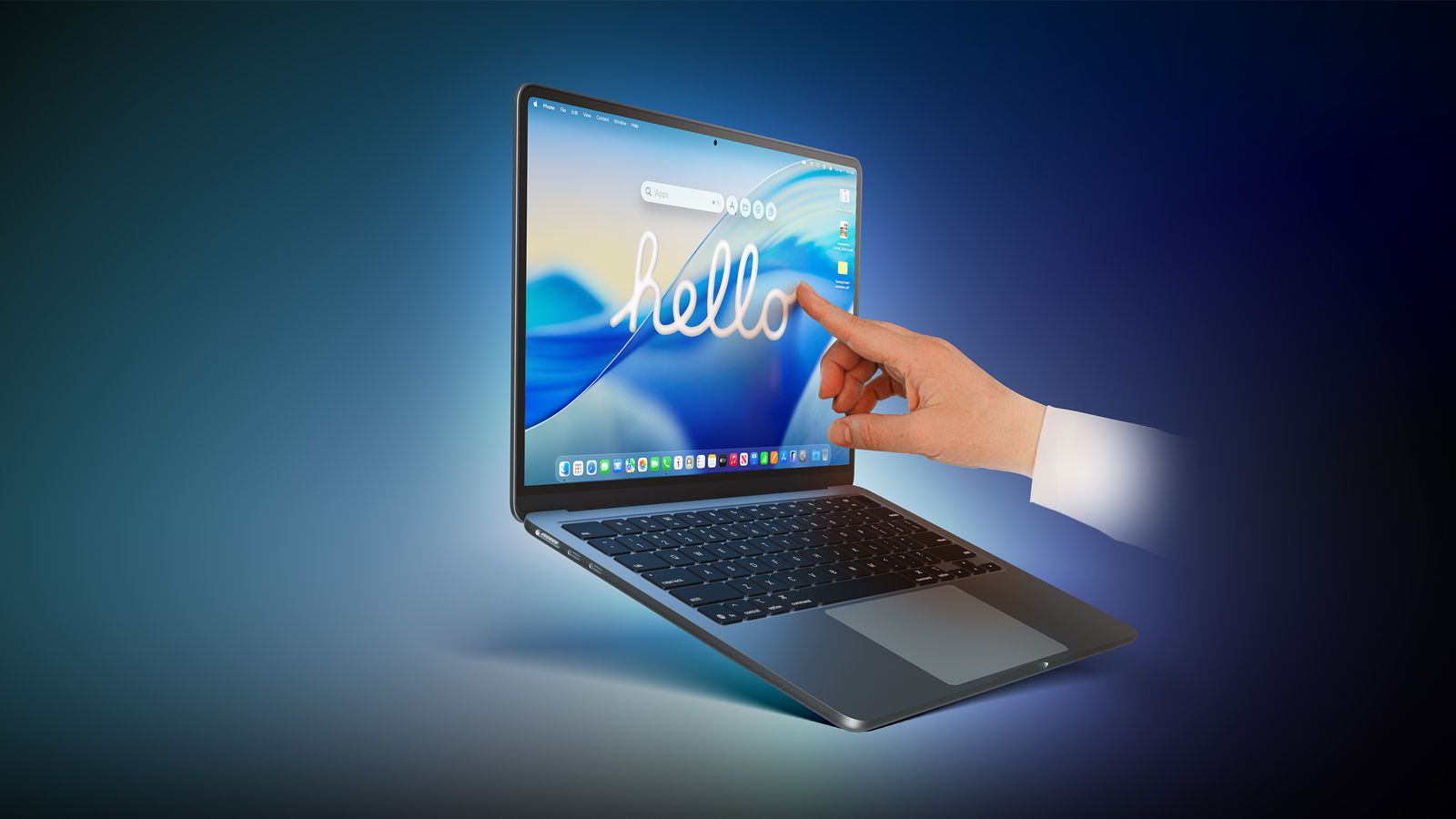
Most significantly, Apple’s flagship Mac this year is the all-new MacBook Ultra. Its name alone signals a tier above the Pro line. Leaks indicate its defining feature is an OLED display supporting touch interaction.
This marks Apple’s first-ever introduction of touch capability to its Mac lineup—signaling deeper convergence between macOS 27 and iPadOS 27, and further blurring the functional boundaries between PCs and tablets. The MacBook Ultra will be powered by either the M5 Pro or M5 Max chip, with other specifications closely matching those of the Pro models.
(Source: MacRumors)
The MacBook Ultra reflects Apple’s strategic push into the ultra-premium segment—and serves as a testbed for touchscreen Macs. Should consumer response prove positive, touch functionality will likely roll out across additional MacBook models in future generations. At present, the MacBook lineup is mature and well-defined; meaningful hardware breakthroughs for the high-end MacBook Pro have become increasingly scarce. Moreover, under mounting memory cost pressure, premium-tier products retain comparatively greater flexibility for engineering adjustments.
Smart Home: Screen-Based Speaker Disrupts HomePod’s Core Logic
Apple will refresh four smart home devices this fall. The new Apple TV will upgrade to the A17 Pro chip and add support for Wi-Fi 7 and Ultra-Wideband (UWB)—its first update in nearly four years. The full-size HomePod and HomePod mini receive routine refreshes, primarily involving chip swaps and second-generation UWB support.
The remaining new product is the most consequential: Apple plans to introduce a screen-equipped smart speaker—but its underlying product logic differs substantially from the HomePod. Though branded a “smart speaker,” the HomePod has always prioritized audio fidelity—leveraging proprietary algorithms to optimize sound quality. Yet its ecosystem remains highly closed: lacking physical connectivity options, its exceptional audio performance remains underutilized compared to traditional high-end speakers, and its “intelligence” lags behind competitors.
Apple’s new screen-based speaker repositions itself as an IoT control hub—adding touch and visual interaction modes alongside voice control. Previously, Apple’s smart home controls relied almost exclusively on the HomeKit app on iPhone, with no dedicated central control panel. Frankly, Apple’s screen-based speaker shares little fundamental distinction from comparable offerings in the market.
However, relative to Apple’s existing HomePod lineup, the screen-based speaker represents a profound shift in product philosophy: shifting focus away from audio as the core use case and emphasizing multimodal interaction to fulfill its new role as an IoT control hub.
Wearables & Tablets: Routine Updates Without Major Innovation
As per tradition, Apple will refresh its Apple Watch lineup this fall with two new models: Series 12 and Ultra 4. Beyond standard chip upgrades, their most notable change is the addition of fingerprint recognition—the first time Apple’s smartwatches support Touch ID.
Additionally, the Apple Watch Ultra 4 will support satellite communications—a feature Apple is finally extending to smartwatches. For context, Huawei’s WATCH Ultimate—released in 2023—already supports two-way BeiDou satellite messaging.
However, the practical deployment of Apple’s satellite functionality in mainland China remains highly unlikely. While the Chinese-market version of the Apple Watch Ultra 4 will likely include this capability, its limited regional utility will inevitably diminish appeal among domestic users.
Apple will also refresh two tablets: an entry-level iPad—essentially upgraded with the A18 chip—and the iPad mini 8, which introduces OLED for the first time in Apple’s small-format tablet lineup (though without high refresh rate). Other upgrades include the A19 Pro chip, haptic feedback motors, and dust/water resistance—though pricing is expected to be premium.
AI Goes Mainstream: Apple’s Intelligence Push Accelerates
Apple’s lag in AI development is now an undeniable reality. Over the past several years, Apple’s AI team has undergone repeated organizational upheavals, with key personnel departing en masse. On the product front, Apple Intelligence—first unveiled in 2021—has progressed slowly, most visibly evidenced by repeated delays to the new Siri launch.
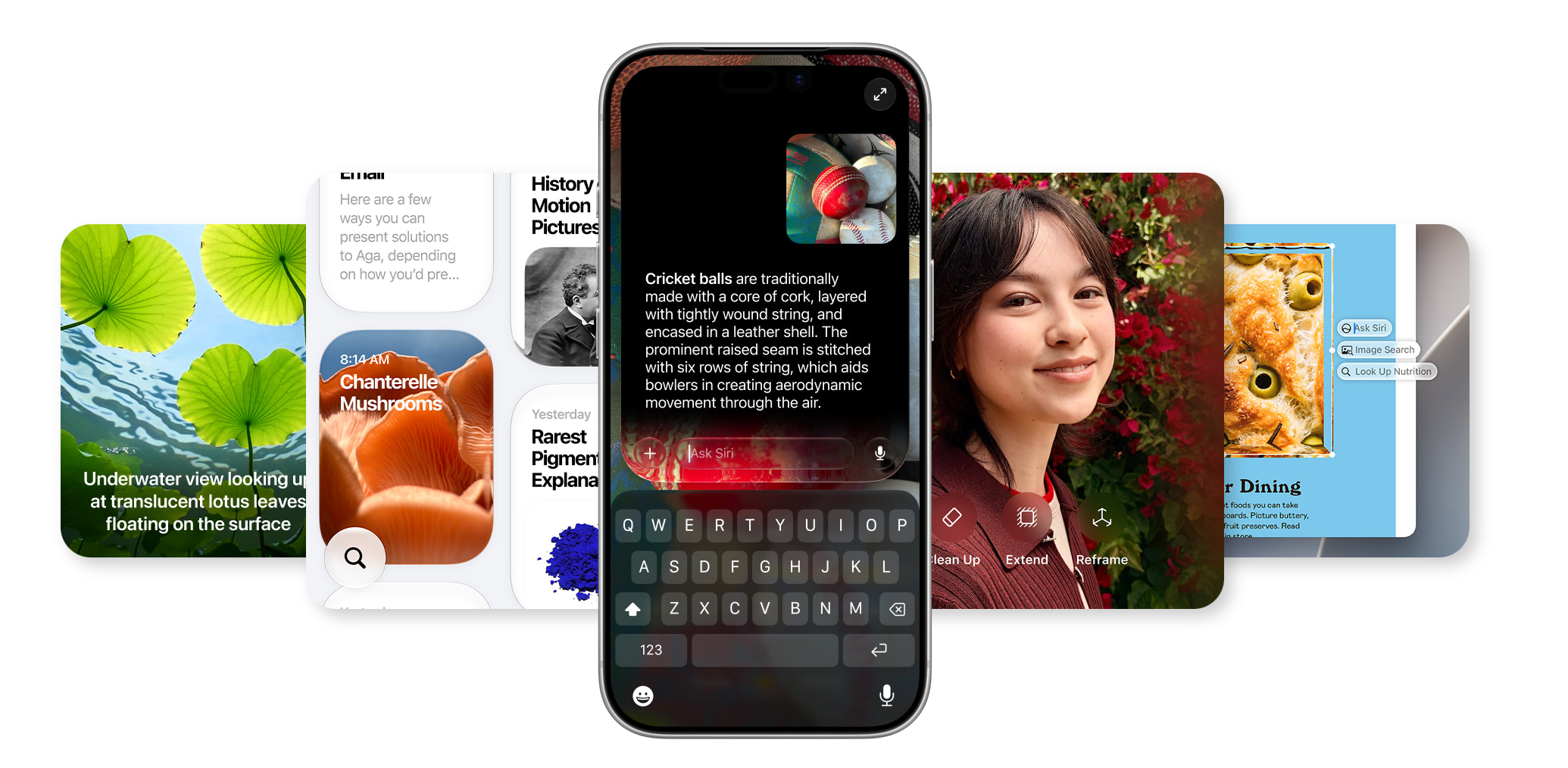
At this year’s WWDC, Apple Intelligence received its most significant update yet. The newly redesigned Siri AI underwent its largest overhaul in fifteen years—gaining capabilities such as on-screen content understanding, cross-app task automation, and personal content parsing—thereby enabling sophisticated agent-like functionality.
Visual Intelligence also received an upgrade: the new version can identify content both within the camera viewfinder *and* on-screen—effectively transforming into a visual recognition assistant.
Nevertheless, Apple Intelligence’s most critical vulnerability remains unresolved: Apple’s entire AI stack relies heavily on external partners. Apple Intelligence’s foundational large language model is a customized variant of Google’s Gemini, running on Apple’s own servers for enhanced security—but subsequent model updates still depend on Google’s ongoing technical support.
That said, although Apple Intelligence trails competitors in execution speed, Apple retains distinct advantages. LeiTech (ID: leitech) observes that Apple’s new AI features won’t be confined solely to the iPhone—they’ll roll out comprehensively across nearly every hardware device in Apple’s ecosystem, including iPads, Macs, Apple Watches, Apple TVs, and HomePods.
(Source: Apple)
As noted earlier, this year’s updated Apple TV and HomePod represent long-overdue refreshes. From a baseline functionality perspective, neither urgently required upgrades—but integrating AI capabilities makes them essential. Updating chips, interfaces, and protocols fundamentally serves to ensure compatibility with Apple’s emerging AI ecosystem.
Apple’s meticulously cultivated, mature software-hardware ecosystem plays a decisive role in deploying AI features. With Apple Intelligence rolling out broadly across Apple hardware this fall, Apple will establish a multi-layered AI capability framework—delivering tangible competitive advantage at the product level.
Supply Chain Crisis: Price Hikes and Massive Data Breach
Just before Cook’s departure, Apple faced two major supply chain-related crises. First, Apple implemented sweeping price increases across its product portfolio—from iPads and Macs to Apple Watches—with unusually steep hikes. The direct catalyst was escalating memory component costs. Yet Apple’s pricing decision came abruptly, affording consumers virtually no time to adjust. From Cook’s public admission to media that Apple would “have no choice but to raise prices” to the official rollout of across-the-board increases, just one week elapsed.
In fact, early this year, media reports revealed Apple had signed long-term supply contracts with Samsung and SK Hynix—at double the usual price—to lock in memory component availability. Shortly thereafter, rumors emerged that Apple deployed massive capital to aggressively purchase DRAM and NAND flash chips on the secondary market.
Nonetheless, AI-driven “arms race” demand continues to fuel memory price inflation—and Apple, unable to absorb the full cost pressure, ultimately followed the path taken by most consumer electronics brands: raising retail prices. Memory giants Samsung and SK Hynix—flush with profits—allocated their primary production capacity to AI customers. Faced with such lucrative margins, these suppliers appear reluctant—even willing to breach prior agreements—to honor original contract pricing for Apple.
From the consumer perspective, however, Apple’s broad-based price hikes aren’t driven by necessity to avoid losses—but rather by opportunity to maximize profit. Apple’s Q2 financial report (covering actual Q1 results) confirms gross margins remain above 40%, placing Apple uniquely ahead of all smartphone competitors.
This issue is clearly beyond Apple’s immediate control. While Apple has thus far refrained from increasing iPhone prices, leaks confirm the iPhone 18 series will carry higher MSRPs—inevitably dampening smartphone shipment volumes this fall. Furthermore, the standard iPhone 18 will likely downgrade its display to maintain a relatively lower price point—a compromise that may disappoint users.
Interestingly, following price increases, Apple has sought to diversify memory sourcing. Reports indicate Apple has begun engaging with Chinese memory manufacturers—exploring integration of domestically produced chips to balance procurement costs. Presently, the primary obstacle to adopting Chinese memory components lies with U.S. government restrictions. If Apple succeeds in bringing Chinese memory into its supply chain, it would constitute a major boon for China’s domestic memory industry.
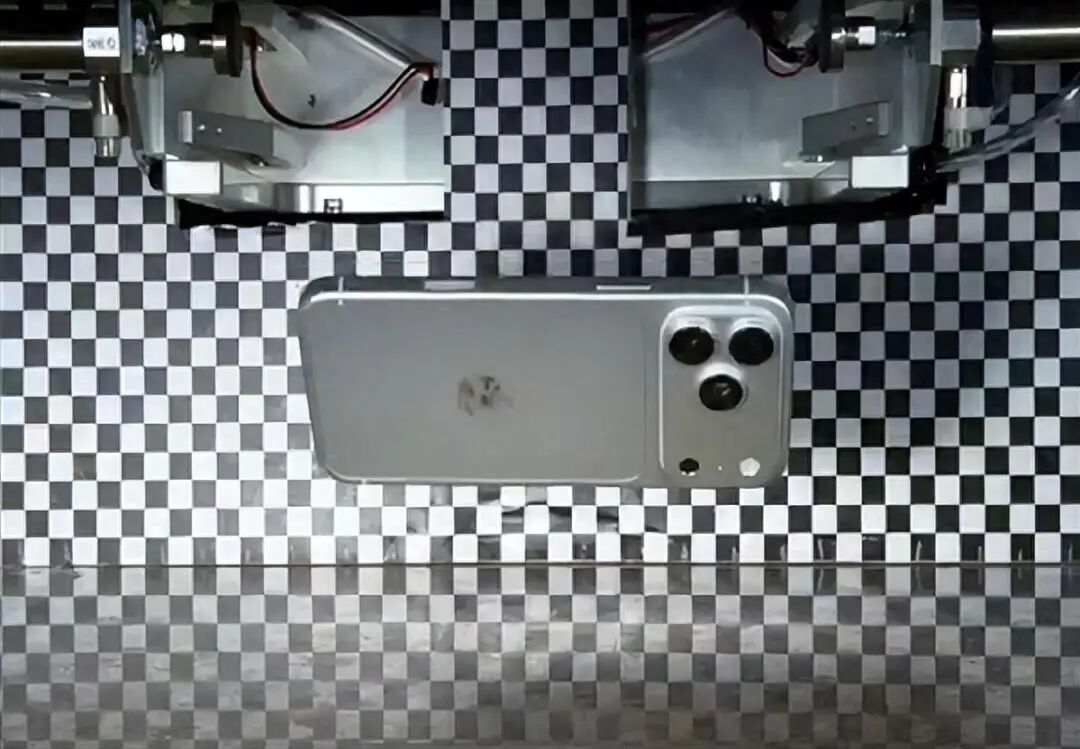
Compared to price hikes, the massive supply chain data breach poses an even more acute crisis for both Cook and his successor. Hackers breached Tata Electronics—the Indian contract manufacturer serving Apple—exposing vast troves of confidential Apple data totaling over 600 GB. This may be Apple’s most severe leak incident to date.
(Source: X)
Leaked iPhone 18 Pro renderings are merely the tip of the iceberg; the breach included internal testing videos for multiple iPhone models—rendering Apple smartphones effectively transparent. More critically, Apple’s supply chain “black box” has been fully exposed.
The leaked files contain exhaustive supply chain details—including specific suppliers for each component across iPhone models—directly revealing Apple’s leverage and dependency in each domain. For example, if Apple relies on only one or two vendors for a particular component, those suppliers—now aware of Apple’s limited alternatives—could theoretically impose exorbitant pricing, intensifying Apple’s cost pressures. With internal information asymmetries eliminated, Apple’s negotiating position becomes markedly weaker.
Somewhat ironically, Cook rose to prominence—and ultimately became CEO—under Steve Jobs precisely due to his exceptional supply chain management acumen. Establishing India as a strategic manufacturing base was likewise a hallmark initiative of Cook’s tenure. Apple’s India supply chain development spanned nearly a decade: In 2017, Indian contract manufacturers began assembling entry-level iPhones (iPhone SE); by 2020, Apple’s India facilities gained export certification; in 2023, Indian factories achieved synchronized production of the iPhone 15 series alongside China; and by 2025, India accounted for one-quarter of global iPhone output.
Apple’s India supply chain strategy aligns perfectly with Cook’s longstanding emphasis on supplier diversification—designed to mitigate risk. Yet just as Cook prepares to step down, India’s contract manufacturing operation suffers its most catastrophic leak in history.
This breach inflicted severe damage on Apple—prompting unprecedented legal action. Leveraging copyright law, Apple systematically removed thousands of social media posts containing leaked materials and launched investigations to trace the source. Most recently, Apple filed lawsuits against leakers Jon Prosser and Michael Ramacciotti, accusing them of stealing trade secrets—specifically alleging they hacked Apple employees’ phones and published extensive details about iOS 27.
In summary, following Cook’s departure, Ternus will need to dedicate substantial effort toward resolving supply chain crises—whether mitigating potential sales declines stemming from price hikes or addressing the operational fallout from this historic data breach.
Final Thoughts
In sum, this fall represents a pivotal moment of transition and turbulence for Apple. As the Cook era draws to a close, incoming CEO Ternus inherits a vast empire defined by both extraordinary opportunity and acute vulnerability.
On one hand, the simultaneous launch of 16 new hardware products underscores Apple’s ambition: the debut of foldable iPhones, touchscreen MacBooks, and screen-based speakers—combined with deep AI integration across its entire ecosystem—signals Apple’s intent to counter external criticisms of innovation stagnation using its signature strength: seamless hardware-software synergy.
On the other hand, real-world challenges persist. Soaring memory costs forced Apple into reluctant price hikes—directly threatening fall sales targets. Meanwhile, the epic-scale data breach at its Indian factory laid bare Apple’s most prized supply chain intelligence. In our view, successfully balancing accelerated AI and hardware innovation with urgent supply chain stabilization—not only constitutes Ternus’s “first major priority” upon taking office, but also represents the defining challenge shaping Apple’s trajectory over the next decade.