
 雷科技
雷科技
















Berlin time, September 4, 2026.
IFA Berlin 2026 officially kicks off today. The Leitech IFA 26 reporting team is on‑site in Berlin to deliver immersive, multi‑dimensional and first‑hand coverage of the exhibition.
At 11 a.m. local time, Jack Huynh, Senior Vice President and General Manager of AMD’s Computing and Graphics Business Group, took the stage for his keynote address. The Leitech IFA 26 reporting team witnessed the presentation live.
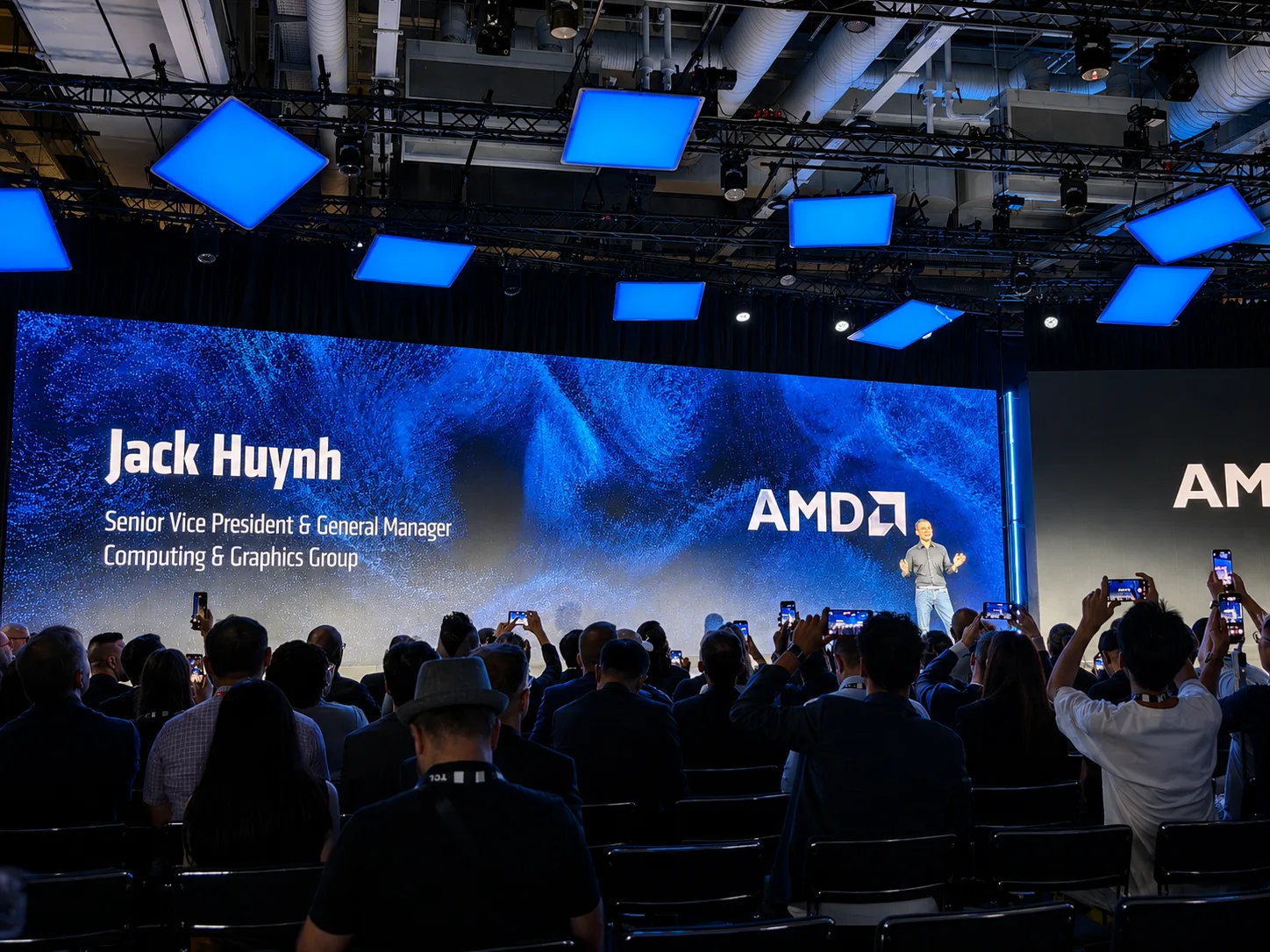
(Image source: LeiTech)
This time around, AMD shifted its focus away from conventional CPU and GPU performance upgrades. Instead, it devoted a large portion of its presentation to a concept growing increasingly familiar: Personal AI.
According to Jack Huynh, AI is evolving beyond basic chat‑based interaction into an era of multimodal processing, reasoning and AI Agents. Moving forward, the PC will no longer be merely a tool that carries out commands you send it. It will gradually transform into a personal intelligent terminal that learns your habits, workflows and context, proactively completing tasks on your behalf.
We explored this very trend in our earlier article Do AI Agents Really Need Dedicated PCs?, which readers may refer to for further context.
From my perspective, if local‑running Agents are to deliver real‑world value, computing power and memory represent the most critical bottlenecks to resolve.
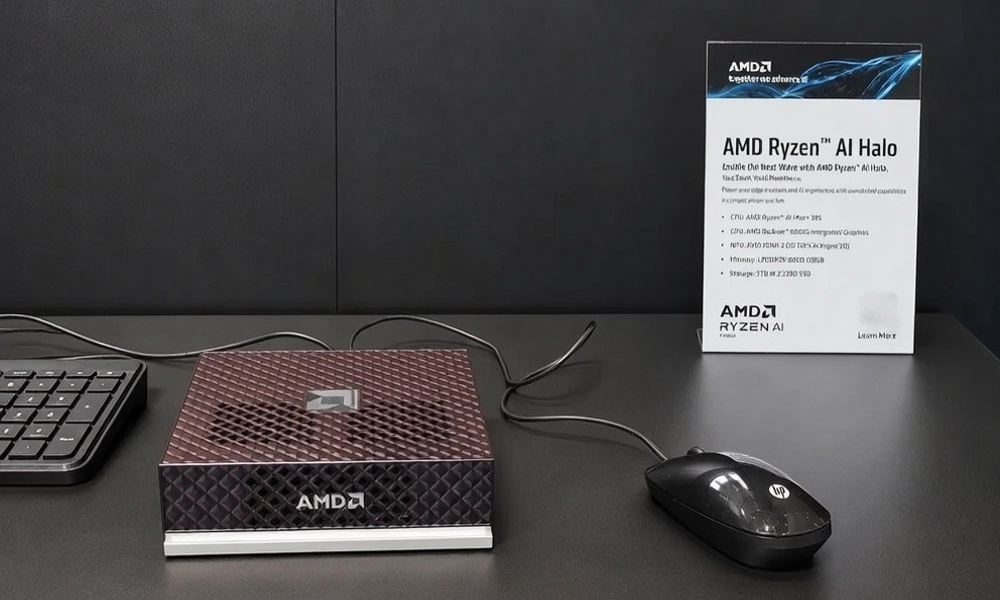
One of the most important products unveiled today is therefore the Ryzen AI Halo. AMD outfits this platform with up to 192 GB of unified memory, enabling it to run large language models with as many as 300 billion parameters entirely on‑device. Workloads and Agent tasks that once relied on cloud servers can now be processed locally on a PC.
The Ryzen AI Halo developer platform was also on display at AMD’s booth. Shaped as a compact box, it is built for developers to build, test large models and deploy Agent workflows right from their desktops.
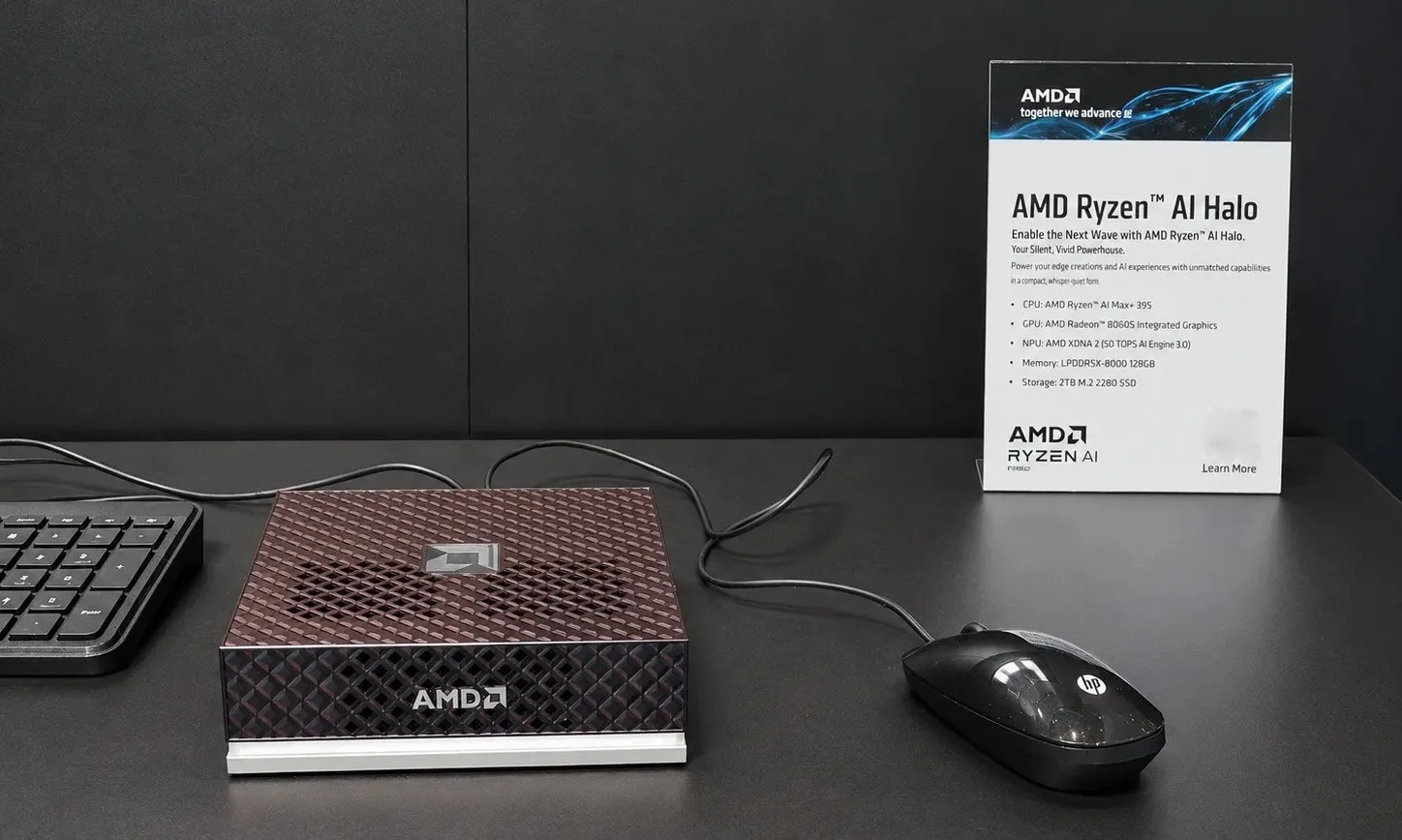
(Image source: LeiTech)
According to official details, HP’s next‑generation ZBook codenamed Sundance will feature the Ryzen AI Halo processor with up to 190 GB of unified memory. Lenovo also unveiled its ThinkCentre X desktop system powered by the Ryzen AI Halo platform in Berlin.
As for the physical hardware? We already showed it to you yesterday.
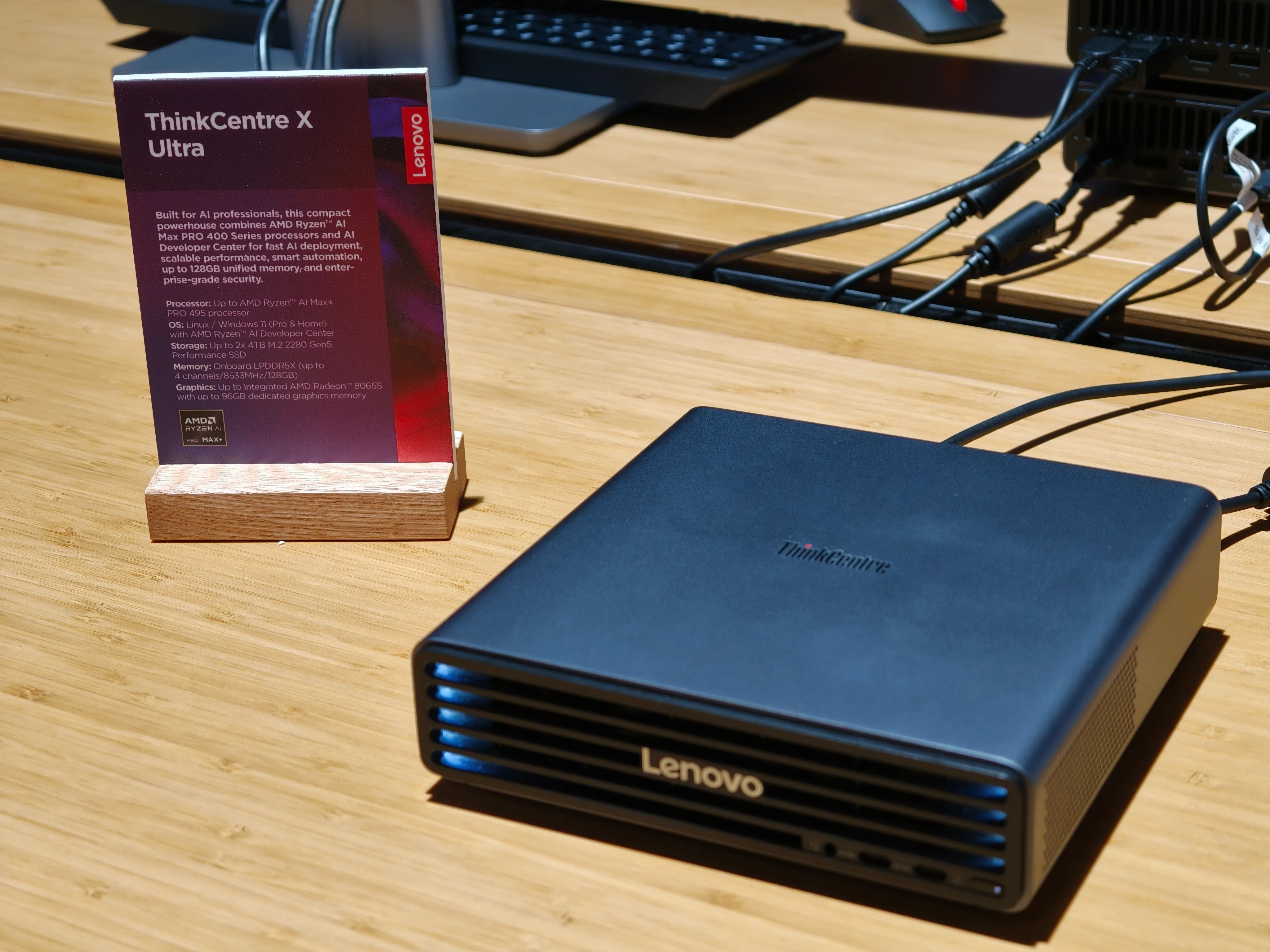
(Image source: LeiTech)
And AMD also pulled out an even more beastly rig today — the Threadripper Halo Station.
It houses the 96‑core, 192‑thread Ryzen Threadripper PRO 9995WX, paired with two Instinct MI350P accelerator cards. The workstation packs 2 TB of system RAM alongside 288 GB of HBM3E video memory. Down the line, it will support up to four MI350P cards in total, pushing the aggregate VRAM capacity to 576 GB.
According to AMD, this system is powerful enough to run models with over one trillion parameters entirely on‑device.
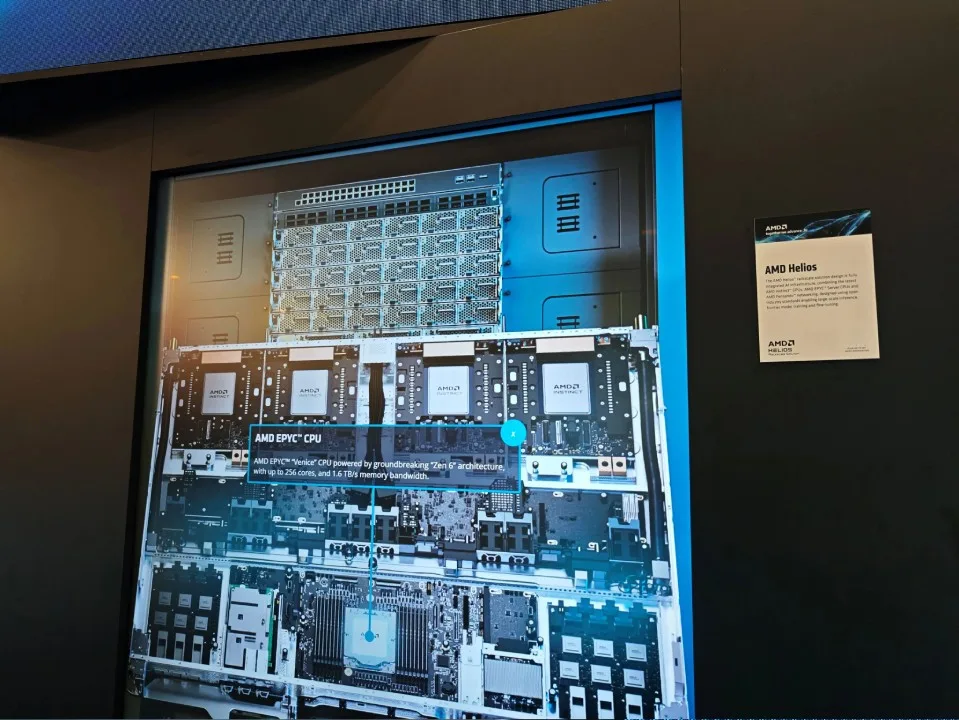
(Image source: LeiTech)
This machine is certainly no ordinary consumer‑grade PC; it is positioned more as a compact AI server built for small‑to‑medium‑sized businesses.
By bringing it to IFA, AMD sends a clear message: from thin‑and‑light laptops and compact developer boxes all the way up to flagship workstations, AMD aims to deliver whatever computing power AI Agents may require, right at users’ fingertips.
In addition, AMD showcased a lineup of partner devices across its booth. These include the Lenovo IdeaPad Vibe laptop we covered yesterday, HP’s ZBook and EliteBook series, as well as ROG’s latest handheld gaming console.
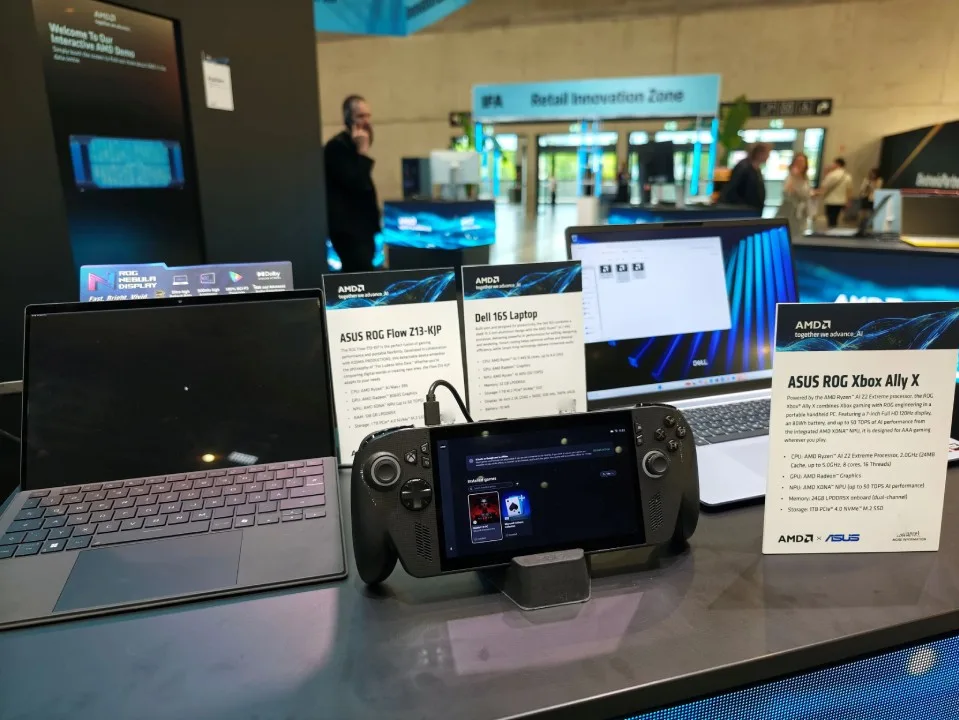
(Image source: LeiTech)
Personally speaking, I am quite looking forward to what comes next from AMD’s handheld‑console chips.
To sum up, AMD’s push for Personal AI essentially aims to run most AI Agent workloads locally by default, tapping into cloud resources only when extra computing power is required.
This is not merely a trend for the PC sector at this year’s IFA; it is poised to shape the industry for years to come.
I fully understand that a PC cannot transform into a fully‑fledged all‑round assistant overnight. Hardware makers have nevertheless begun redesigning their products with this vision in mind. At this year’s event, AMD is already demonstrating on‑device execution of 300‑billion‑parameter models with the Ryzen AI Halo and 192 GB of unified memory. Who can tell what breakthroughs we will see next year?
The next generation of AI PCs may well be Agent Computers.
From September 4–8, the world’s largest consumer electronics and home appliance exhibition—IIFA 2026—will take place in Berlin.
As the “most influential new media outlet covering IFA” globally—widely recognized for its authoritative coverage of AI advancements—LeiTech has deployed its largest and highest-caliber reporting team ever to Berlin this year. Adopting a “2+N” model (two live hosts plus multiple on-site editors and backend editors), LeiTech will deliver live, multidimensional, and exclusive coverage of IFA 2026—with key focus areas including AI Agents integrated with home appliances and hardware, robotics technologies converging with domestic living environments, emerging trends in human-vehicle-home digital lifestyles, and Chinese brands’ global presence and innovations.
The LeiTech IFA2026 reporting team arrived in Berlin on September 3 to begin pre-show coverage—stay tuned!