 雷科技
雷科技











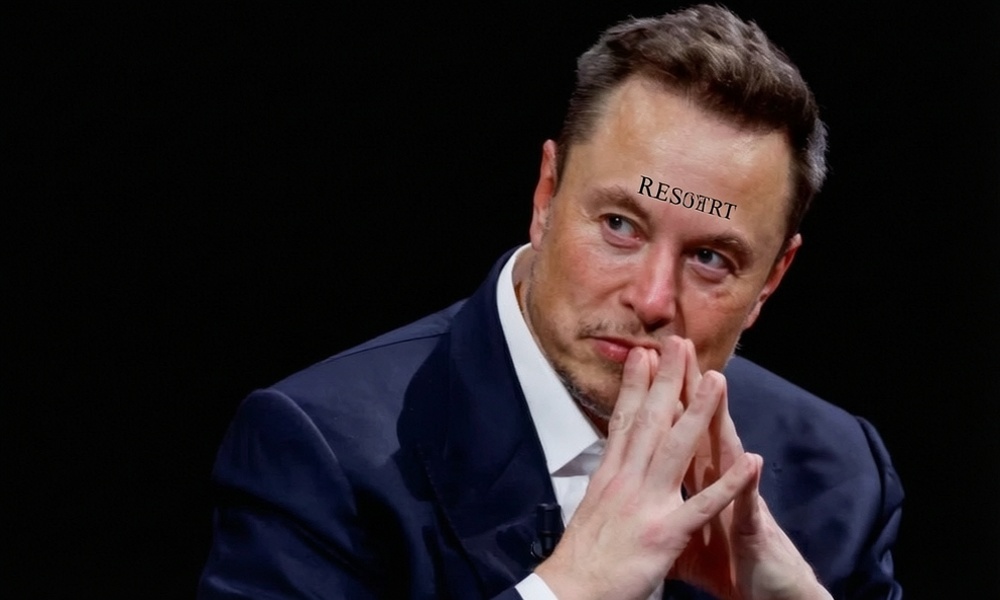

Recently, Xiaolei BiBi (ID: xiaoleibbb) uncovered a dramatic turn of events: shortly after Elon Musk became the world’s first trillionaire in human history, he saw 2.45 trillion yuan wiped off his paper wealth in just one month.
To put that figure into perspective: it equals the combined net worth of two Jensen Huangs.
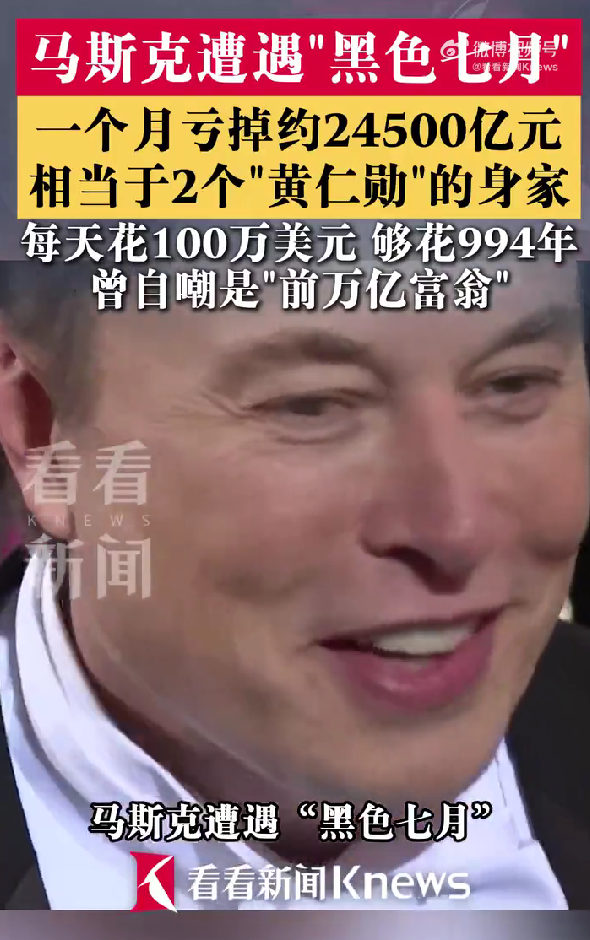
Image source: Weibo
According to Xiaolei BiBi (ID: xiaoleibbb), Elon Musk’s SpaceX officially debuted on the US stock market on June 12 this year, setting a record for the largest IPO in American history.
Thanks to his roughly 38% stake in SpaceX together with his shares in Tesla, Musk instantly became the first person in history to amass a net worth exceeding one trillion US dollars.
Back then, the internet buzzed nonstop about him hitting "the ceiling of human wealth". No one expected that the peak would arrive quickly, and the downturn would come even faster.
In July, Musk’s paper wealth shrank to a record extent.
Xiaolei needs to clarify one point here.
Many people think Musk actually lost that amount in cash, which is far from the truth.
This 2.45-trillion-yuan loss is essentially an unrealized paper loss.
Nearly all of Musk’s wealth exists in corporate stocks and equity. His net worth rises with stock price surges and contracts when share prices slump. As long as he does not sell his stocks, he suffers no actual losses.
Simply put, it is just a shift in market valuation.
So why did such a massive loss occur?
Xiaolei has seen online analyses pointing out that sharp simultaneous plunges of his two core assets, SpaceX and Tesla, directly knocked Musk off the trillionaire pedestal.
Let us start with SpaceX, which endured the steepest decline.
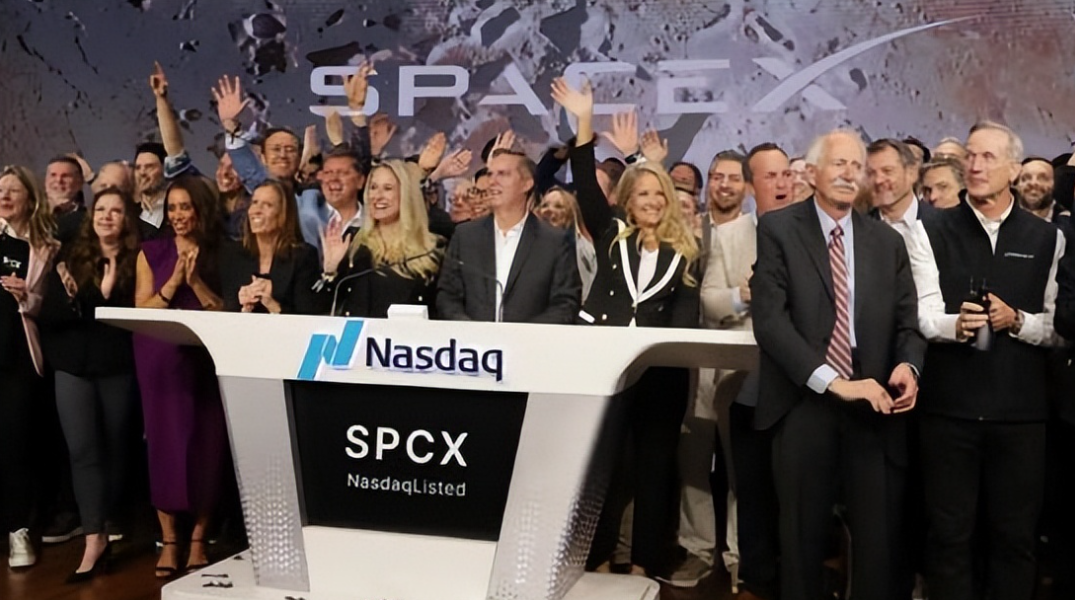
Image source: Weibo
First, the stock price was hyped excessively in the early stage of the listing. Shortly after going public, SpaceX’s price-to-sales ratio soared to nearly 100 times. In reality, SpaceX is still operating at a loss.
Second, progress on the Starship program hit a setback. In mid-July, the 13th Starship test flight was aborted at the very last second before ignition due to an engine malfunction. This marked SpaceX’s first major launch mission after its IPO and dealt an immediate blow to market sentiment.
Another factor is SpaceX’s heavy investment in AI. Over 80 percent of its capital expenditure in the second quarter went into AI infrastructure, sparking widespread concerns over whether its cash flow can sustain such outlays.
On top of that, Musk is pouring massive funds into cutting-edge research and development, all of which are capital-intensive megaprojects with no clear prospect of profitable returns in the short term.
Faced with sliding profits and continuous cash burn at the company, market investment confidence inevitably wavered.
Amid rampant online discussions across the internet, Musk offered a rather witty response.
He simply posted a line on his social platform X: "(Former) Trillionaire".
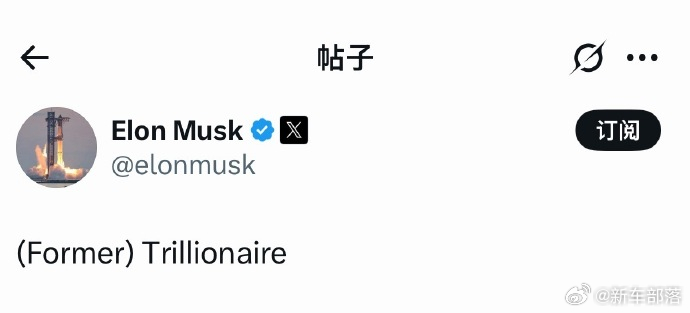
Image source: Weibo
Netizens have split into several camps over this incident, making the comment section quite lively.
Some netizens are simply there to joke and watch the spectacle. One quipped, “Musk’s trillionaire trial membership didn’t even last as long as my milk tea loyalty card.” Another joked self-deprecatingly, “I only earn 3,000 yuan a month, yet I’m worrying about the world’s richest man losing money.”
Another group of netizens took a more rational stance, arguing there is no need to feel concerned for Musk.
Musk holds solid core assets. Both Tesla and SpaceX are industry leaders, so there is no great cause for alarm.
In Xiaolei’s view, Musk’s dramatic story of becoming a trillionaire only to lose the status soon afterwards represents normal volatility in the capital market.
Since Musk’s personal wealth is tightly linked to corporate stock prices, his fortune is inevitably along for the roller-coaster ride.
Lastly, what do you think about Musk’s wealth slump? Feel free to leave your thoughts in the comments.
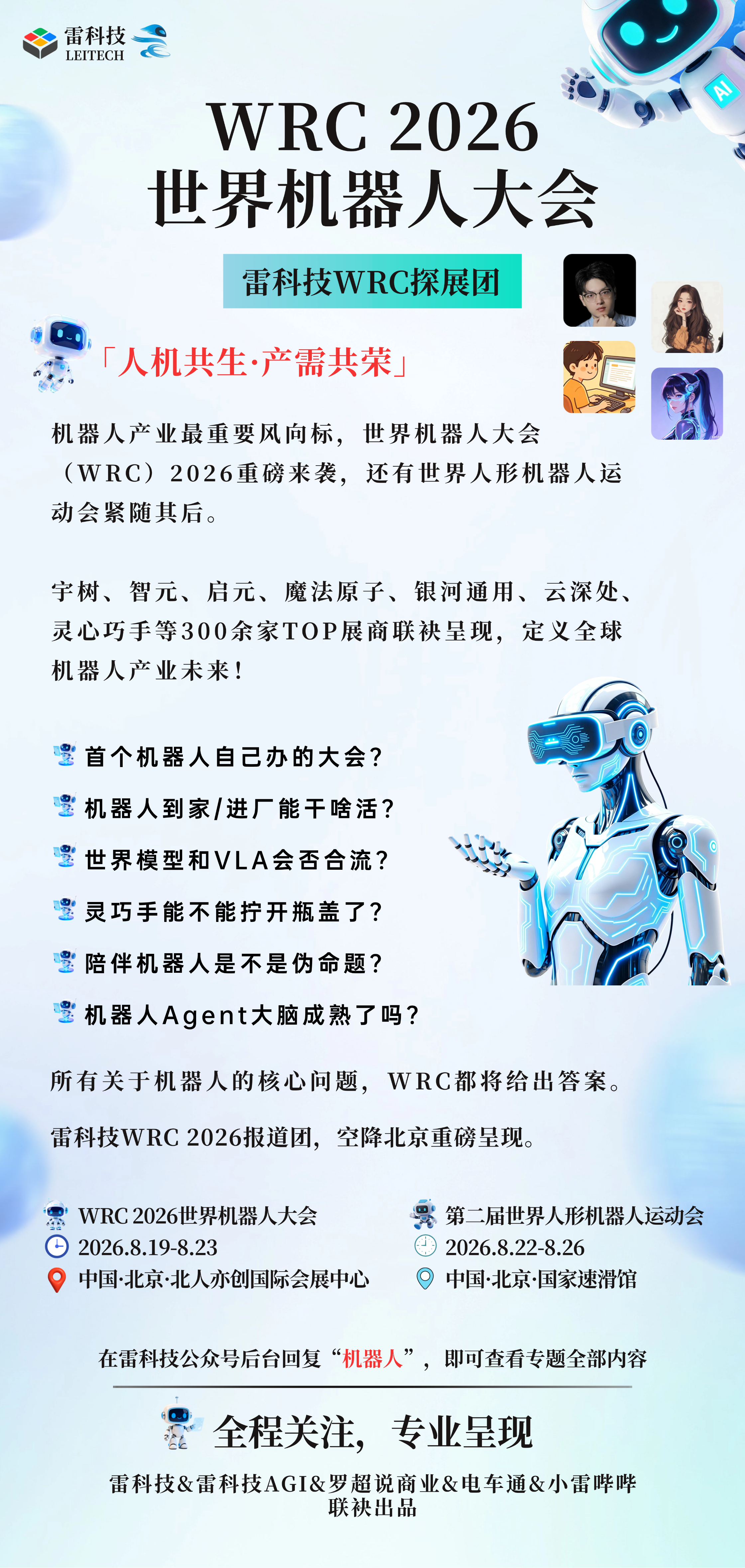
The most critical barometer for the robotics industry—the World Robot Conference (WRC) 2026—is set to make a landmark debut, followed closely by the World Humanoid Robotics Games.
Over 300 top-tier exhibitors—including Unitree, Agibot, Qiyuan Robotics, Magic Atom, Galaxy General Robotics, CloudDeep, and Lingxin Qiao Shou—will jointly showcase the future of global robotics!
WRC will address every core question about robotics.
LeiTech’s WRC 2026 reporting team is heading to Beijing for exclusive, on-the-ground coverage.