
 雷科技
雷科技





















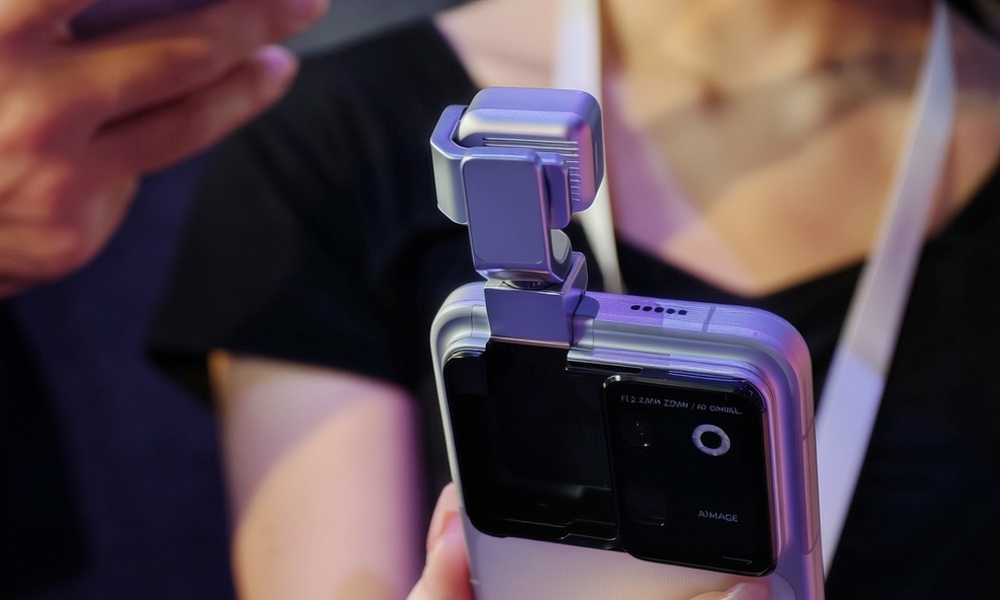

On July 28, 2026, Honor held its inaugural Honor Imaging Technology Launch Event in Hengdian, Zhejiang. Leitech (ID: leitech) was invited to cover the event on location.
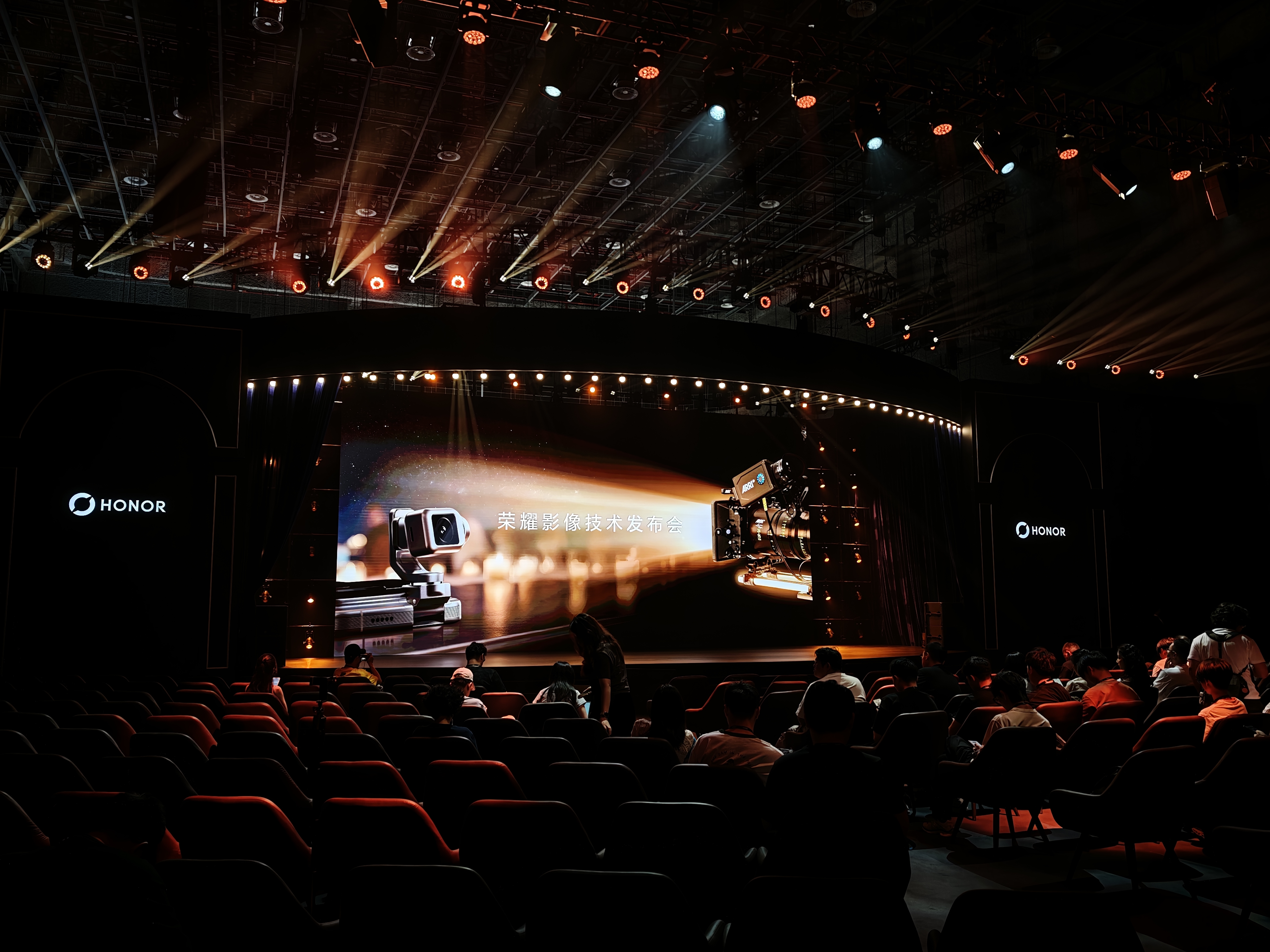
(Photography Credit: LeiTech On-Site)
While officially billed as a technology conference, the undisputed star was Honor’s world’s first robotic smartphone, the Robot Phone. The device had been unveiled previously, and I finally got to test it hands-on at the venue. I also caught a glimpse of Honor’s team’s ideas regarding AI hardware, AI imaging and AI-powered smartphones.
Collaboration with ARRI: Not a Basic Co-branding, But a Full Workflow Migration
Over the past few years, nearly all mobile brands have partnered with their preferred camera manufacturers. Flagship phones almost feel incomplete without bearing a partner brand logo. Most of these collaborations, however, amount to little more than customized color grading and branded watermarks. Such partnerships serve marketing purposes far more than technological advancement.
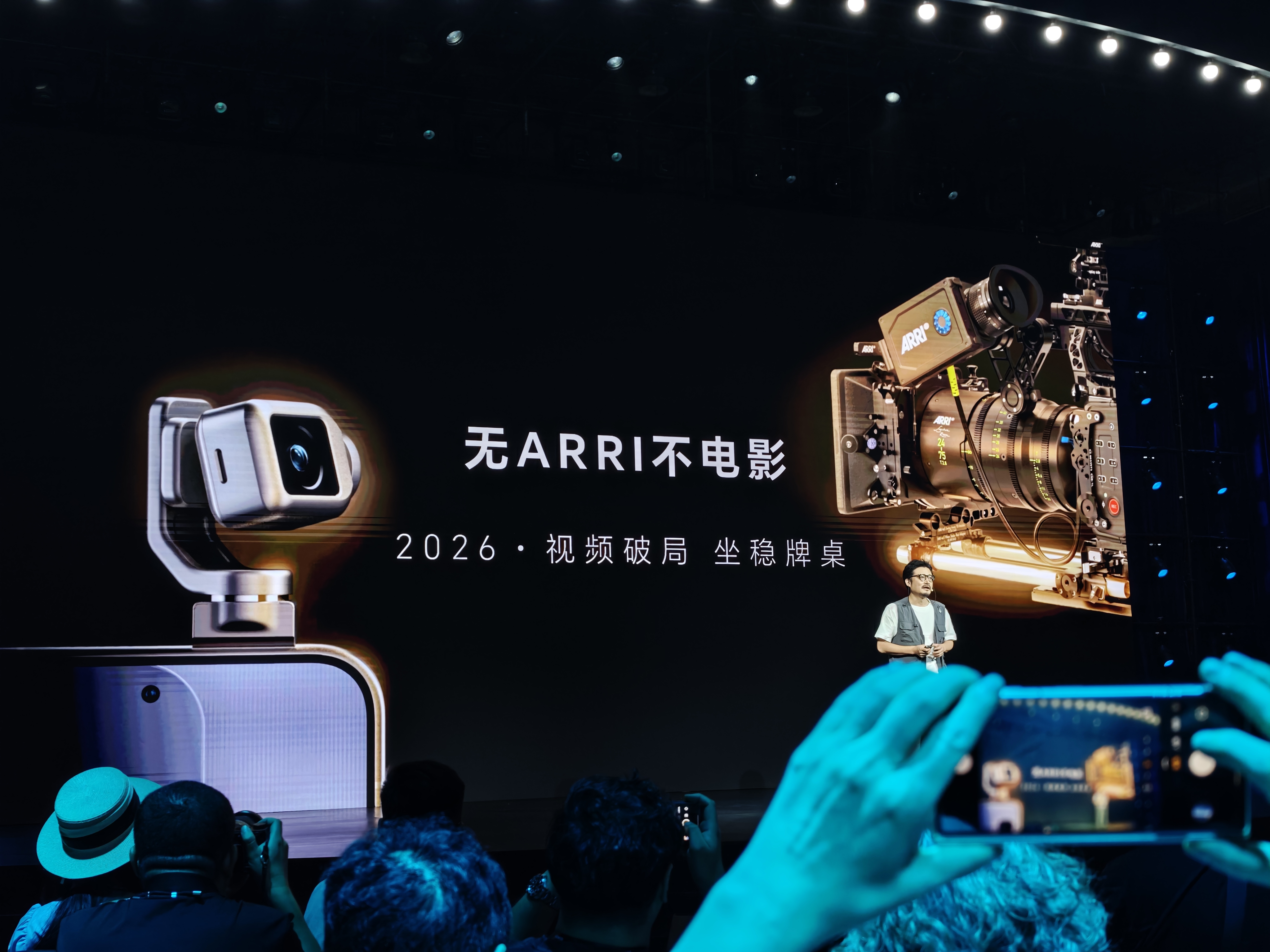
(Photography Credit: LeiTech On-Site)
But Honor’s cooperation with ARRI this time is entirely different. Most readers may be unfamiliar with ARRI, yet it defines the imaging standard within the film industry. Among the 13 films nominated for Best Picture at the 2023 Academy Awards, nine were shot on ARRI cameras. The premium cinematic texture seen in major Hollywood blockbusters is inseparable from the brand’s century-honed color science.
Honor did not merely ask ARRI to develop custom color filters. Instead, it fully ported ARRI’s complete professional cinematic workflow to the Robot Phone, including LogC3 encoding, ARRI Looks creative presets, AWG3 wide color gamut and other professional imaging specifications. This means footage captured with the Robot Phone shares identical color space and encoding standards with professional cinema cameras. Users can directly import recordings into DaVinci Resolve or Final Cut Pro for seamless professional post-production editing.
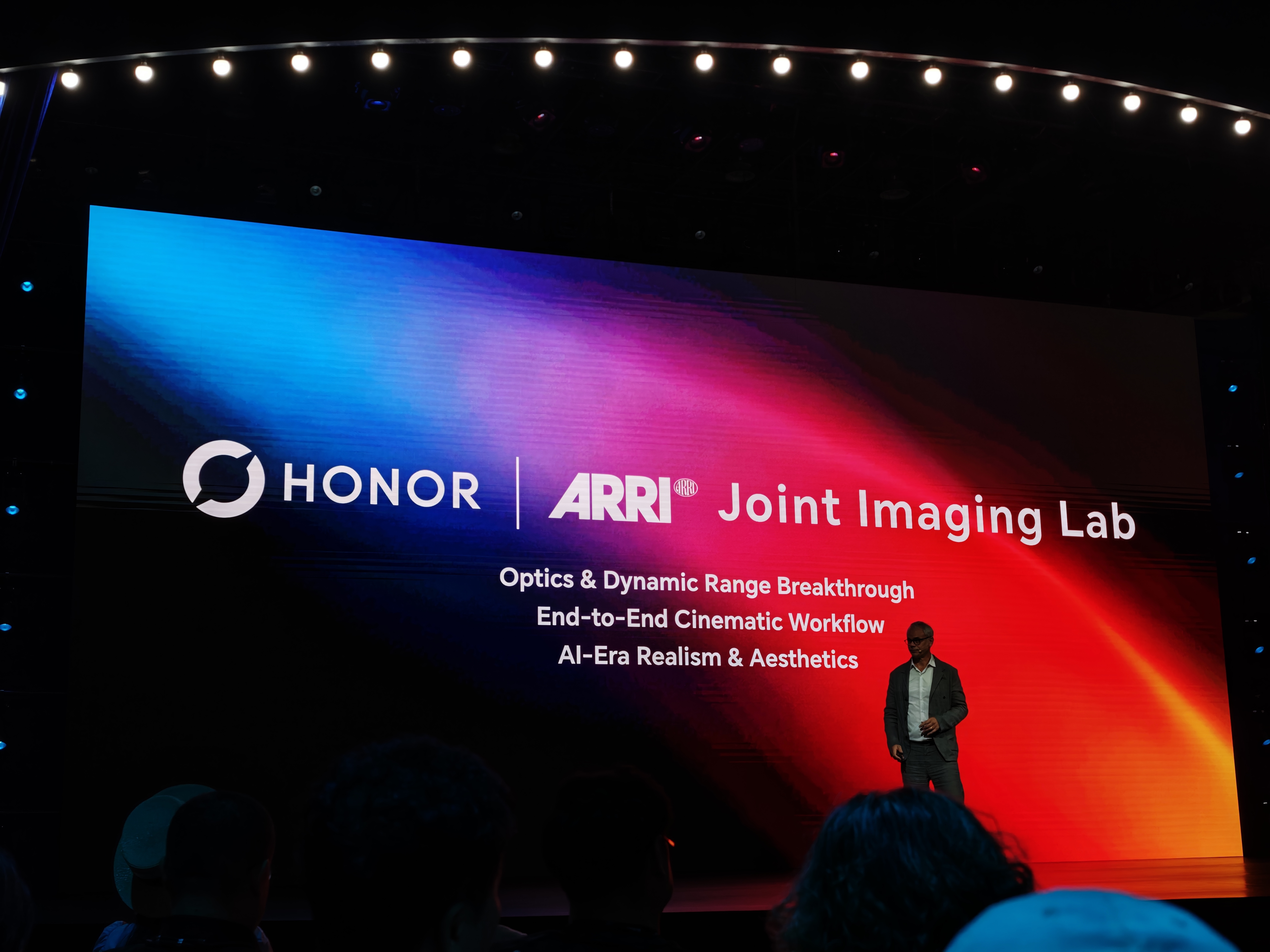
(Photography Credit: LeiTech On-Site)
Honor also announced at the launch event that it would build a joint imaging technology laboratory together with ARRI. Its research focuses cover breakthroughs in underlying optics for image sensors, full-chain cinematic workflow integration, and the formulation of imaging realism and aesthetic criteria for the AI era. Harald Brendel, Chief Scientist of ARRI, remarked, “This is far more than a simple brand co-branding initiative. For the first time ever, the color standards of the professional film industry have been fully implemented on consumer-grade smartphones.”
Full unrestricted hands-on trials were unavailable at the experience zone, yet with assistance from staff, I got an in-depth demonstration of the device. It is no exaggeration to say that its professional video recording capabilities outperform all current smartphones on the market.
Take one display booth where the Robot Phone was secured on a mount and shaken violently as an example. The footage captured by Honor showed minimal disruption to image stabilization and framing, while videos shot on competing phones on display suffered heavy motion blur. Equipped with a professional gimbal, the Robot Phone achieves an overwhelming advantage in anti-shake performance.
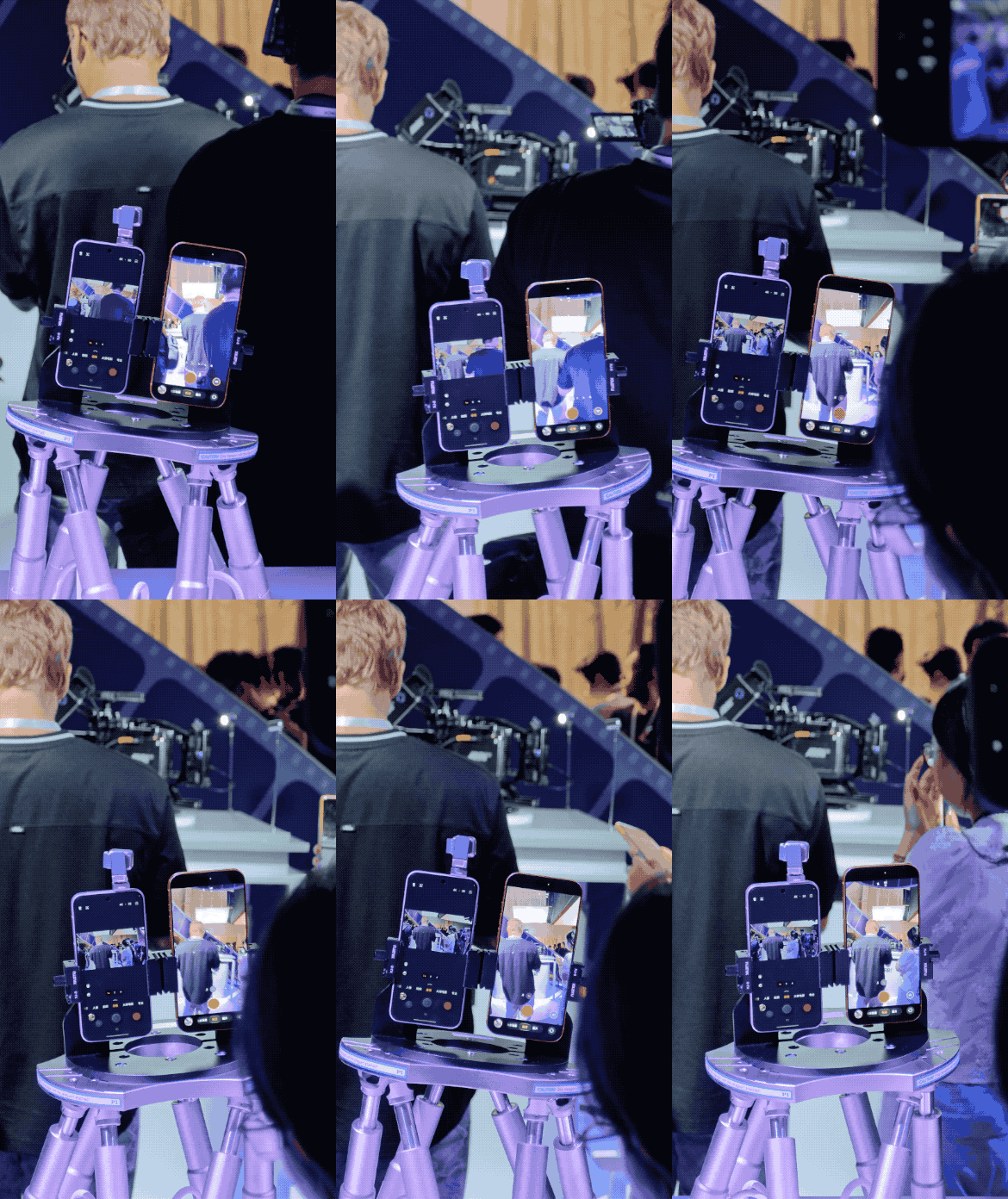
(Photography Credit: LeiTech On-Site)
According to official specifications, the gimbal motor equipped on the Robot Phone weighs merely 2.6 grams. Its size is 65% smaller than mainstream market solutions, while torque density has increased by 30%. Within an area no bigger than a fingernail, it delivers physical stabilization on par with professional stabilizers.When users record videos, the three-axis motors counteract tiny wrist tremors and jolts from walking in real time. In this system, imaging algorithms serve not as the primary stabilizer but offer fine-tuning alongside the gimbal. The result is exceptionally smooth, natural footage free from the disjointed cropping effect typical of electronic image stabilization. Edge image quality also remains intact with no degradation caused by cropping.
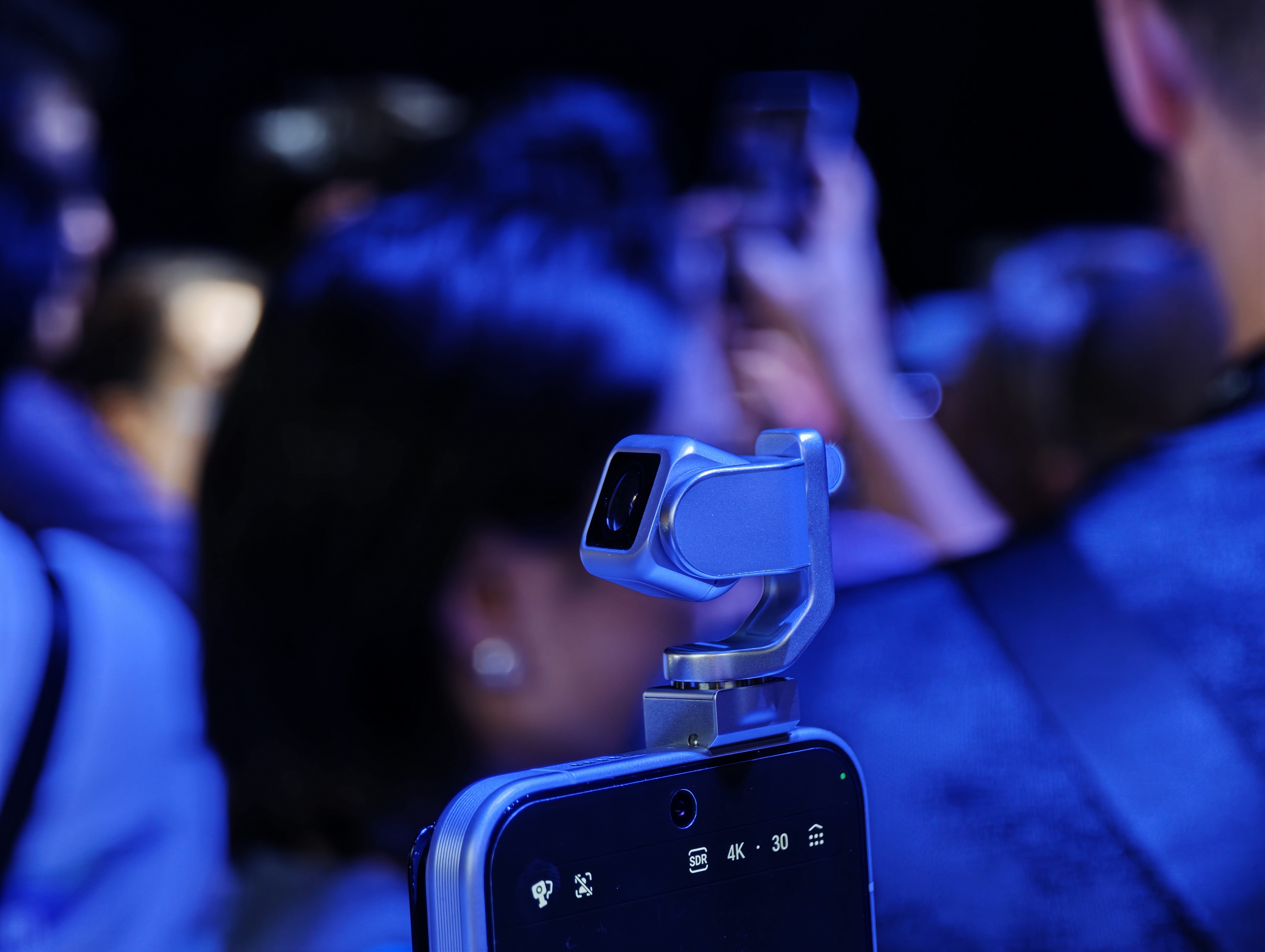
(Photography Credit: LeiTech On-Site)
Software algorithms also play an indispensable role. Honor states that its built-in AIMAGE Stabilization Engine 2.0 works as follows: the phone’s onboard IMU detects motion status thousands of times per second, the chip calculates compensation values in real time, and the gimbal motors make corresponding corrections. Thanks to this coordination, the Robot Phone can eliminate most camera shake to the greatest extent possible.
Beyond anti-shake functionality, the gimbal endows the Robot Phone with another shooting feature: automatic camera movement. Users can select preset camera movement paths within the camera app interface, such as smooth horizontal panning from left to right and slow vertical tilting upward. The gimbal will automatically execute these movements. Demonstrated by on-site staff, these preset paths deliver far smoother motion than manual operation. This function is ideal for solo shooting scenarios where no one is available to hold the camera.
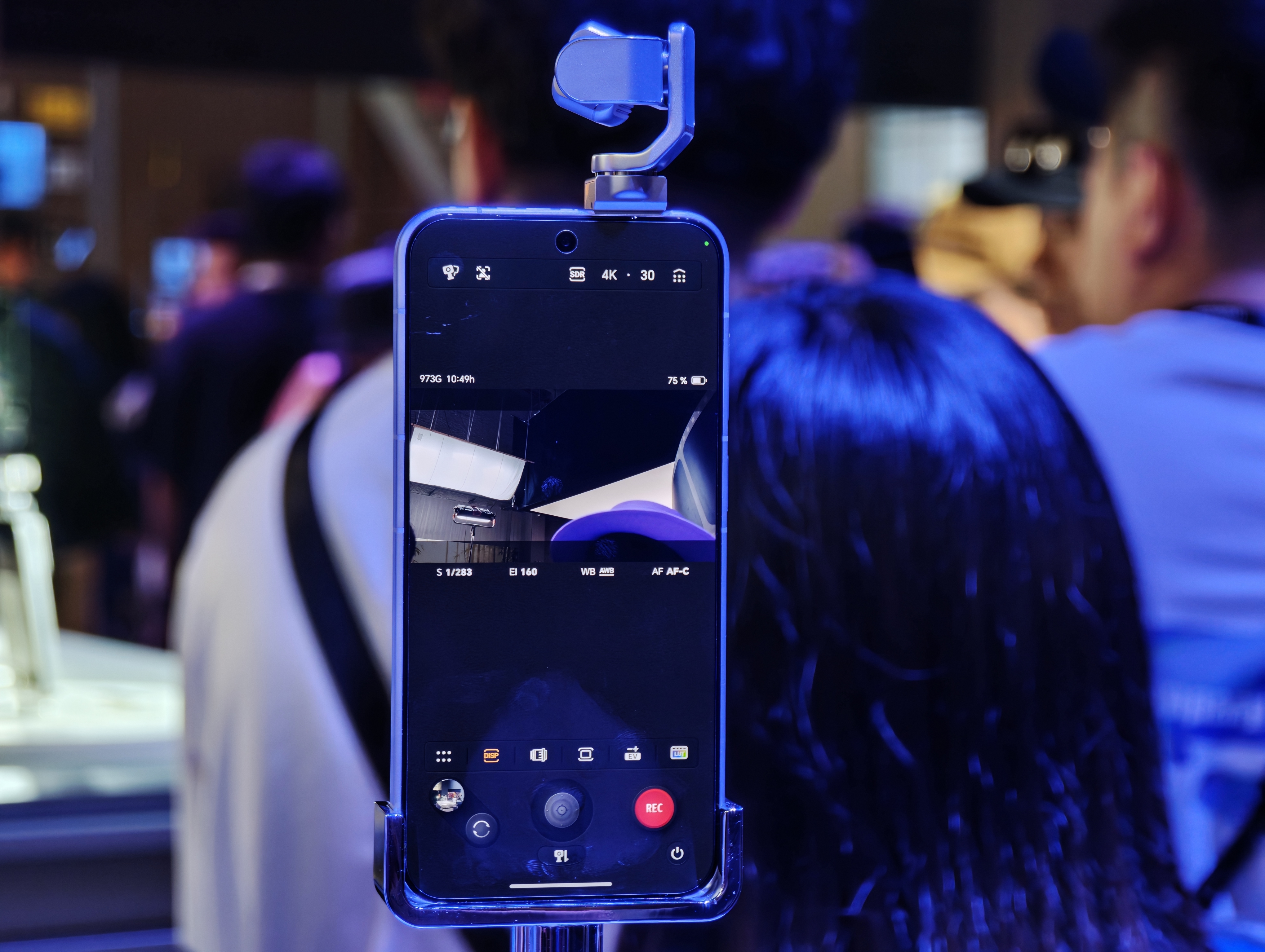
(Photography Credit: LeiTech On-Site)
A close look at the phone’s viewfinder reveals that the Honor Robot Phone delivers depth of field with naturalness comparable to certain handheld gimbal cameras available on the market. No wonder netizens previously claimed it would pose fierce competition to DJI and Insta360.
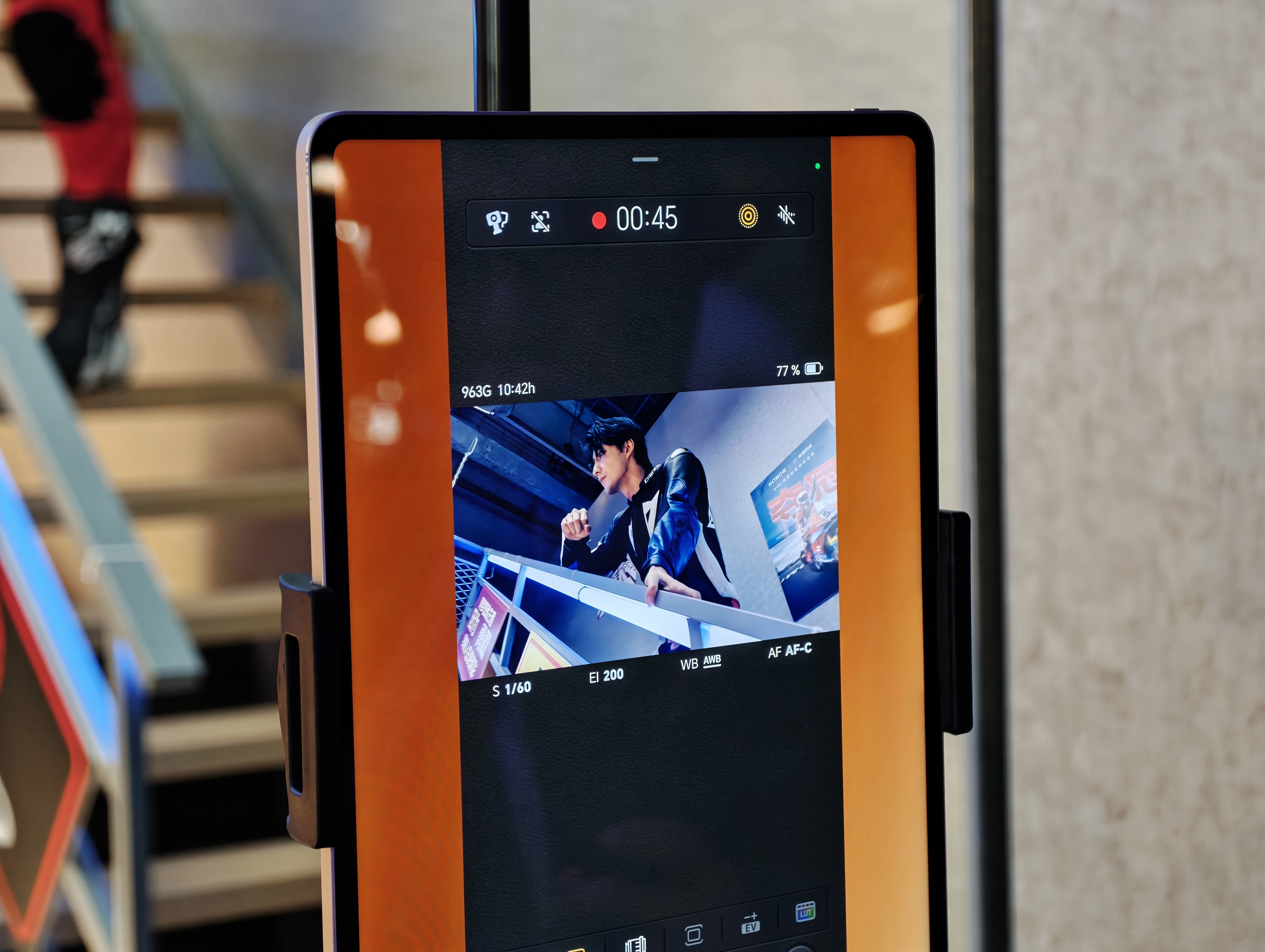
(Photography Credit: LeiTech On-Site)
Other hardware configurations: The gimbal main camera features a 200-megapixel sensor, a large 1/1.28-inch sensor size and an f/1.6 aperture, jointly tuned by Honor and ARRI. The other two cameras are a 50-megapixel ultra-wide lens and a 200-megapixel periscope telephoto lens respectively. None of the three lenses have obvious weaknesses in specifications.
Finally, cinematic video shooting arrives on smartphones
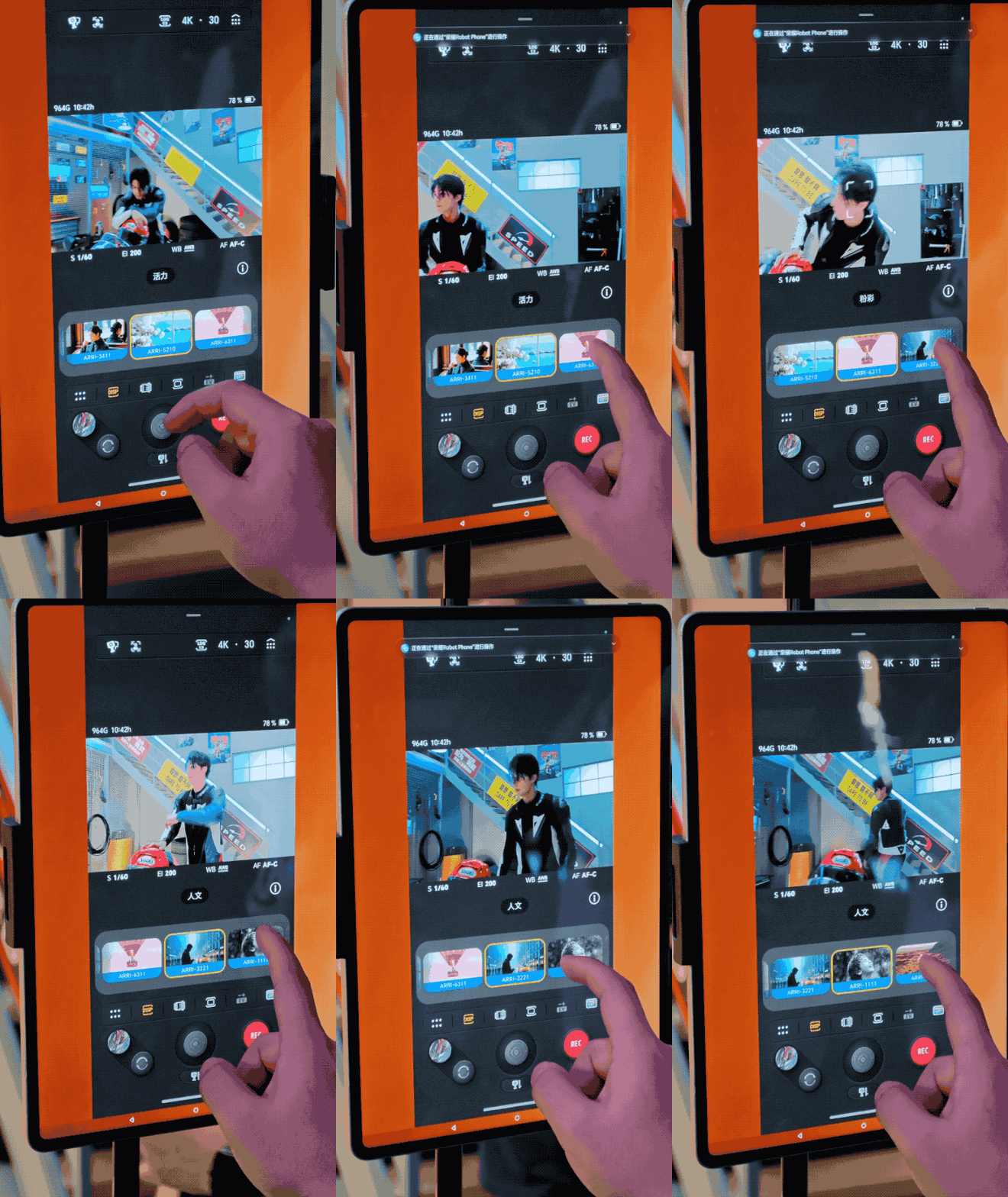
Honor built multiple real shooting scenarios exclusively in the product experience zone, with lighting, props and sets arranged to the standards of a small film crew. A tablet outside the booth was connected to the Robot Phone, enabling real-time preview of footage captured under LogC3 mode.
What exactly is LogC3? Simply put, it is a recording format for log footage. When shooting videos on ordinary smartphones, parameters including white balance, color, contrast and sharpening are finalized the moment you hit record, leaving minimal room for post-editing. Excessive adjustments will ruin the footage. By contrast, LogC3 records the full dynamic range captured by the image sensor. Footage appears desaturated and dull visually, yet completely retains all details from highlights to shadows. Users can apply official ARRI LUTs in post-production software to get ideal colors, tones and atmospheres in one go, with tremendous flexibility for further tweaks.
(Photography Credit: LeiTech On-Site)
The staff demonstrated footage shot in LogC3 format. I tested multiple presets from ARRI Looks by switching back and forth on-site. The same clip delivered drastically different visual effects after different LUTs were applied. More importantly, the color transitions looked incredibly natural. Light and shadow transitioned smoothly from highlights to shadows without harsh jumps, and skin tones were reproduced accurately. There were none of the telltale signs common to regular phones, which artificially ramp up saturation and brightness to brighten complexions.
Such results cannot be achieved through algorithmic tuning alone. They stem from ARRI’s decades-long color science built up through motion picture production.
A short film Homecoming Day shot on the Robot Phone by Wang Boxue was screened at the event. Filmed entirely in one continuous long take inside the cramped cabin of a yacht, the footage features fluid camera movement weaving between characters. The visuals are crisp, focus shifts precise, and camera movements seamless. Without behind-the-scenes footage shown alongside the screening, I would have struggled to believe the movie was captured on a smartphone.
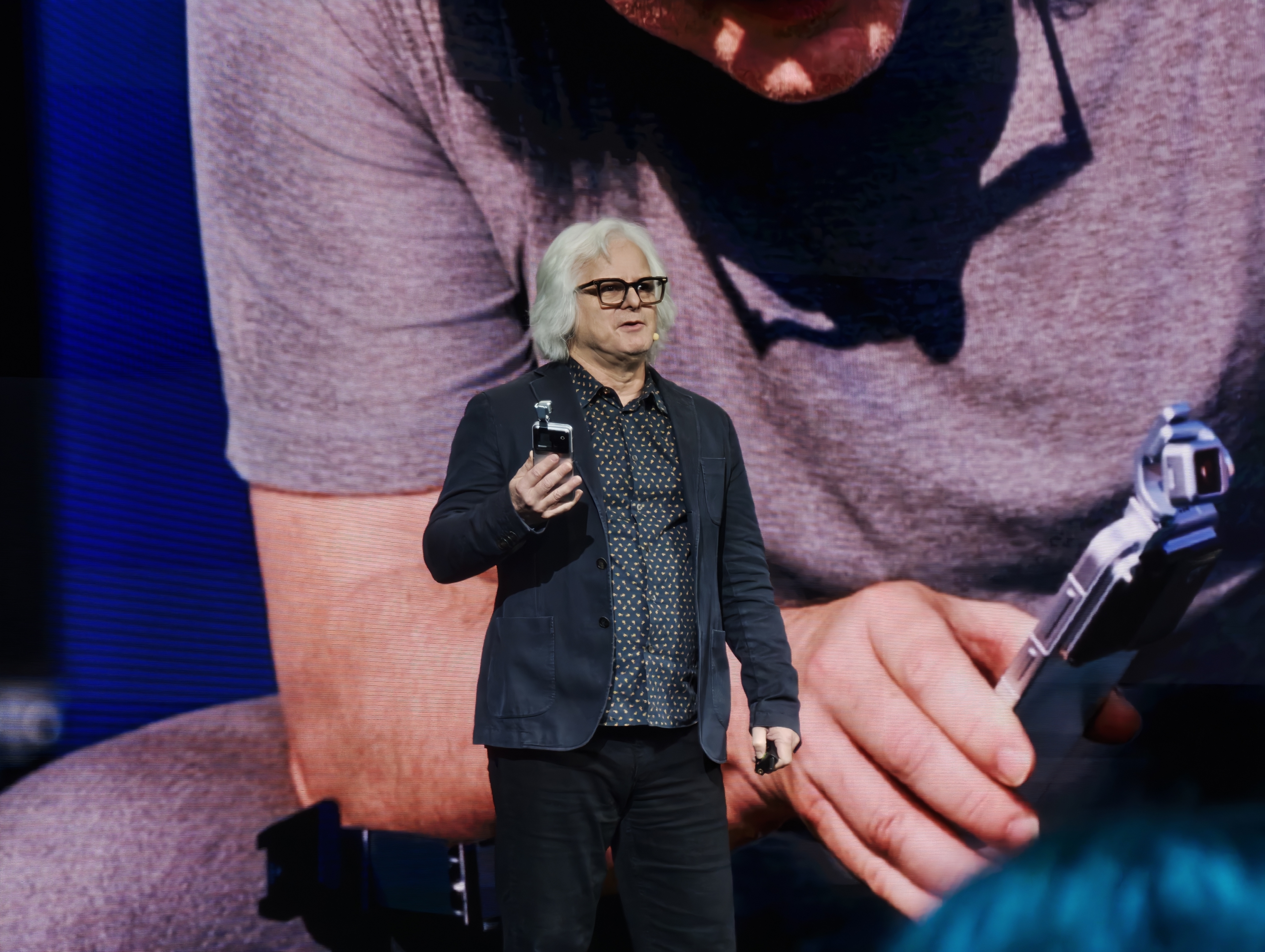
Claudio Miranda, an Oscar-winning cinematographer, shared his insights at the launch. He noted that the Robot Phone’s compact body paired with its stabilization system unlocks shooting angles nearly impossible to pull off with bulky traditional cinema cameras.
(Photography Credit: LeiTech On-Site)
Besides, the Robot Phone boasts several professional functions worth mentioning. Its camera supports focus lock, white balance lock and AE (Auto Exposure) lock. Video modes on most regular smartphones barely offer such manual controls. Furthermore, users can load LUT previews directly within the shooting interface for a what-you-see-is-what-you-get experience, eliminating guesswork about post-production results after recording.
More Than a Camera Powerhouse: It Is Also a Full-Fledged Robot
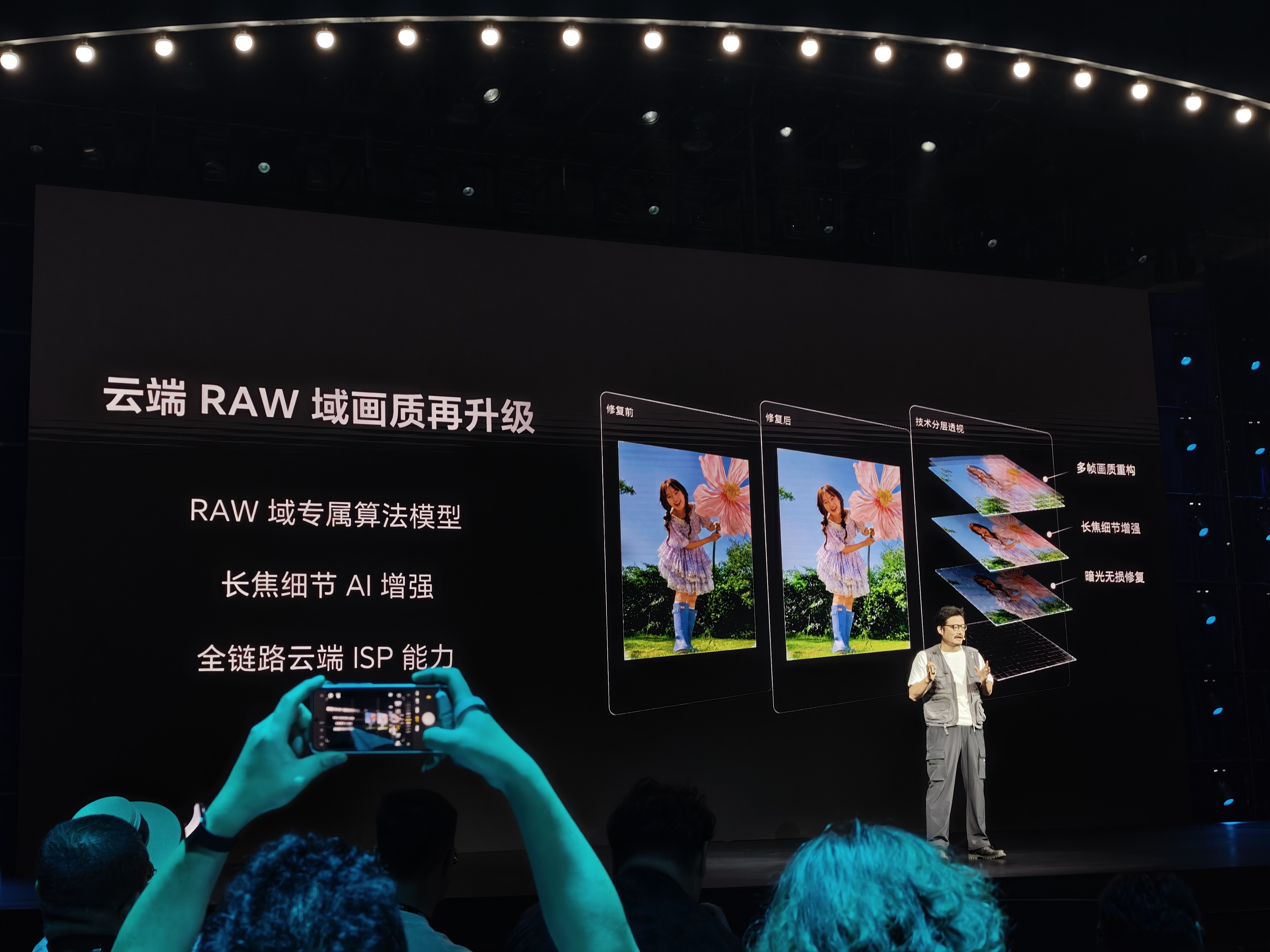
Imaging features only scratch the surface of the Robot moniker. How does the Honor Robot Phone fare when it comes to core autonomous decision-making capabilities? The Robot Phone debuts Honor’s self-developed imaging chip, Yuguang H1. This chip fully reconstructs the entire image processing pipeline and optimizes image quality starting from the RAW data stage. Teamed up with the computing power of the Snapdragon 8 Elite Gen 5, it powers AI object tracking, real-time sensing compensation, intelligent camera movement and other capabilities.
(Photography Credit: LeiTech On-Site)
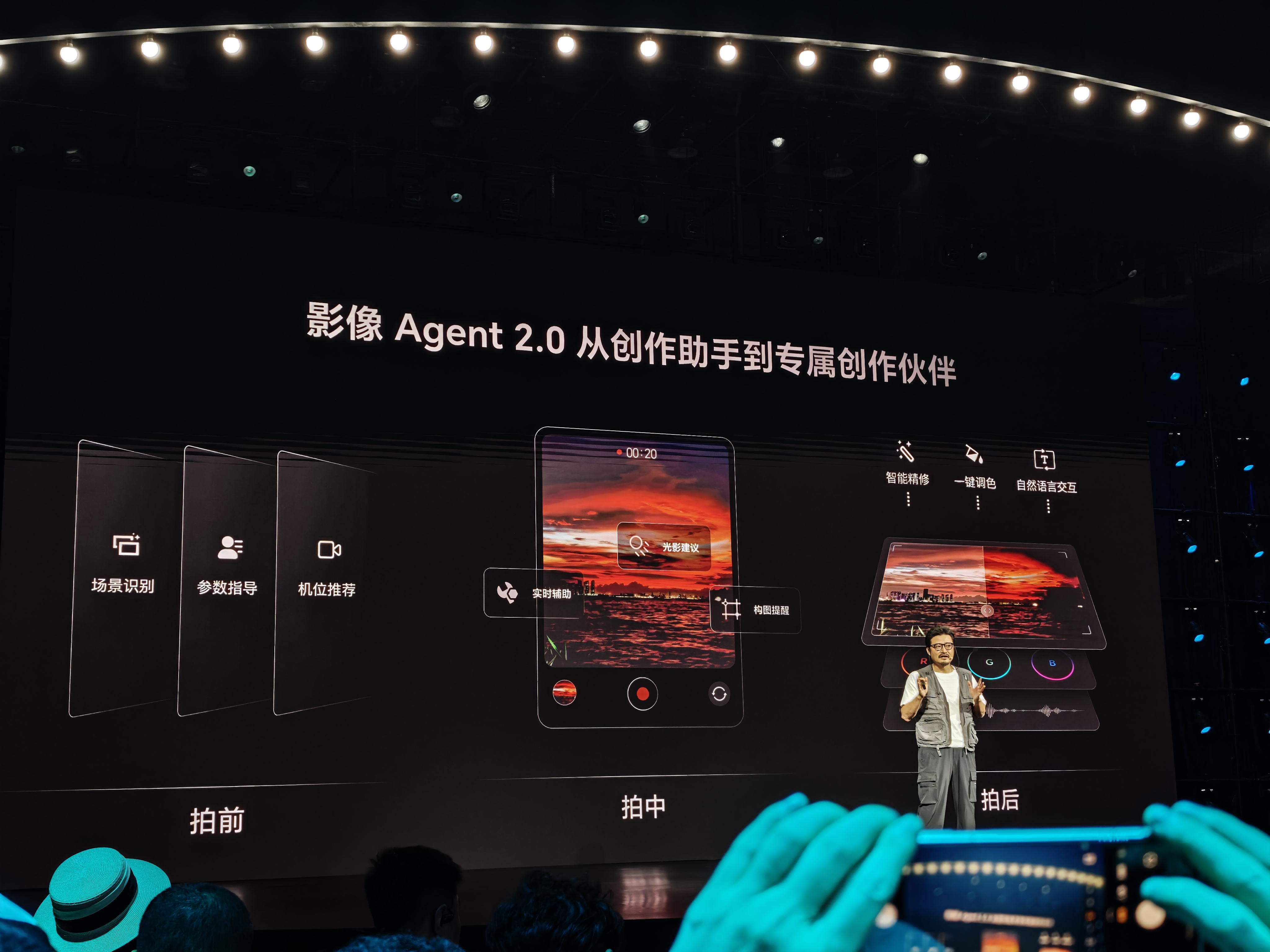
The upgrade of YOYO strikes me as particularly intriguing. YOYO, the on-device large model built into the Robot Phone, comes with emotion perception capabilities. It identifies users’ emotional states, usage habits and surrounding environments, then proactively adjusts system behaviors. For example, the camera automatically switches to night mode when you enter dimly lit areas and launch the camera; notifications go silent automatically when you are in a meeting room. This shift from passive response to active perception is what truly qualifies a device as an AI smartphone.
(Photography Credit: LeiTech On-Site)
Honor also revealed that the Robot Phone will debut the AgenticOS kernel, positioned as a "partner-style multimodal intelligent agent operating system". Admittedly, the Robot Phone showcased at today’s launch event is not its full-fledged version. The on-site demonstration mainly covered imaging capabilities and scattered configuration details. Complete specifications and parameters will only be confirmed after the official release on August 12. Even so, it is certain that the Robot Phone is far more than just a camera-focused phone.
Toward the end of the event, Honor added that the Magic 9 series set to launch in the second half of the year will also adopt ARRI’s relevant imaging technologies. Consumers who are not inclined to try this innovative new device, the Robot Phone, may opt for the Magic lineup instead.
Intensifying Competition in Smartphone Imaging: Honor Takes an Alternative Route
Over the past five years, smartphone imaging competition has followed largely identical paths: manufacturers chase larger image sensors, wider apertures, higher megapixel counts, longer focal lengths and upgraded sensor technologies. While these specs matter greatly, hardware parameters never equate to image quality. The true competitive edge of outstanding photos and videos lies in color rendering, tone and narrative appeal — factors that cannot be listed on a spec sheet.
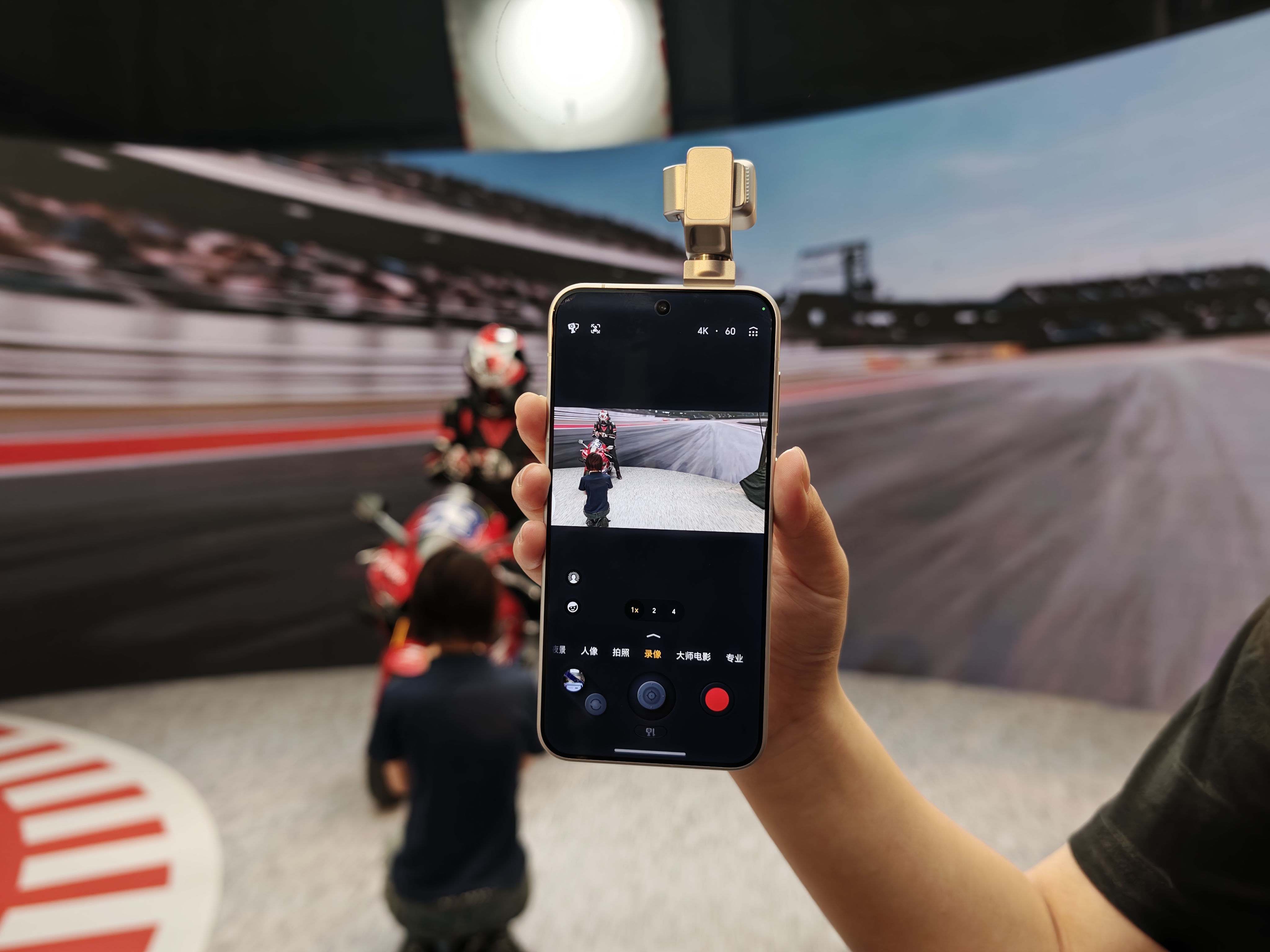
(Photography Credit: LeiTech On-Site)
Therefore, Honor opted against racing to maximize hardware parameters. Instead, it has established a brand-new imaging standard. On the hardware side, the brand deploys self-developed gimbals and custom chips. On the software side, it integrates ARRI’s century-old cinematic aesthetic system. This is not merely crafting better smartphone imaging; Honor is creating an entirely new product category: mobile cinema cameras.
During the launch event, Honor repeatedly stated, “Technology sets the floor for imaging quality, while aesthetics determine its ceiling.” After getting hands-on time with the Robot Phone, I believe this is no empty slogan. At the very least, Honor is heading in the right direction this time.
On July 31, ChinaJoy 2026—themed “Exploring with AI”—kicks off with fanfare.
A total of 900 entertainment industry exhibitors—including Tencent, NetEase, Sony, Qualcomm, MaiCong, and QingXian—will jointly present a global feast for the entertainment sector;
How will AI-enhanced brands across hardware, peripherals, robotics, displays, and semiconductors collaborate with game developers to deliver novel cross-industry entertainment experiences?
LeiTech’s ChinaJoy 2026 reporting team—led by Founder & Editor-in-Chief Luo Chao—will soon descend upon Shanghai for comprehensive coverage. Stay tuned.