 雷科技
雷科技















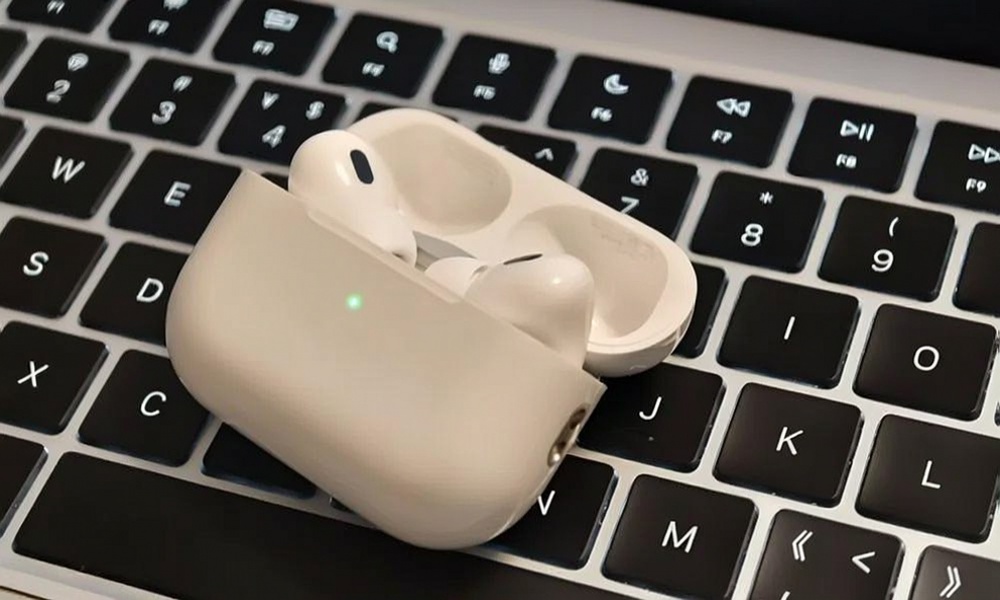

While tidying up my desk the other day, I dug up my AirPods Pro, which had been gathering dust for years. I already had more than enough earbuds to use, having picked up the Powerbeats Pro 2 a few years back for a more secure fit. Still, determined not to let anything go to waste, I bought new silicone ear tips for these AirPods Pro, planning to use them at night to connect to my Apple TV for watching shows.
As every tech user knows, electronics rarely break from heavy use — they break from long-term disuse. Even though the charging case responded when plugged in and its indicator light lit up, neither earbud would connect to my phone no matter what I tried. I figured the long period of inactivity had corrupted the pairing records. I first forgot the device on my iPhone, then long-pressed the setup button on the back of the charging case to factory-reset the earbuds. After fussing with these steps repeatedly with no luck, I left the case charging overnight. When I opened the lid the next morning, the earbuds still failed to pop up on my iPhone’s Bluetooth list.
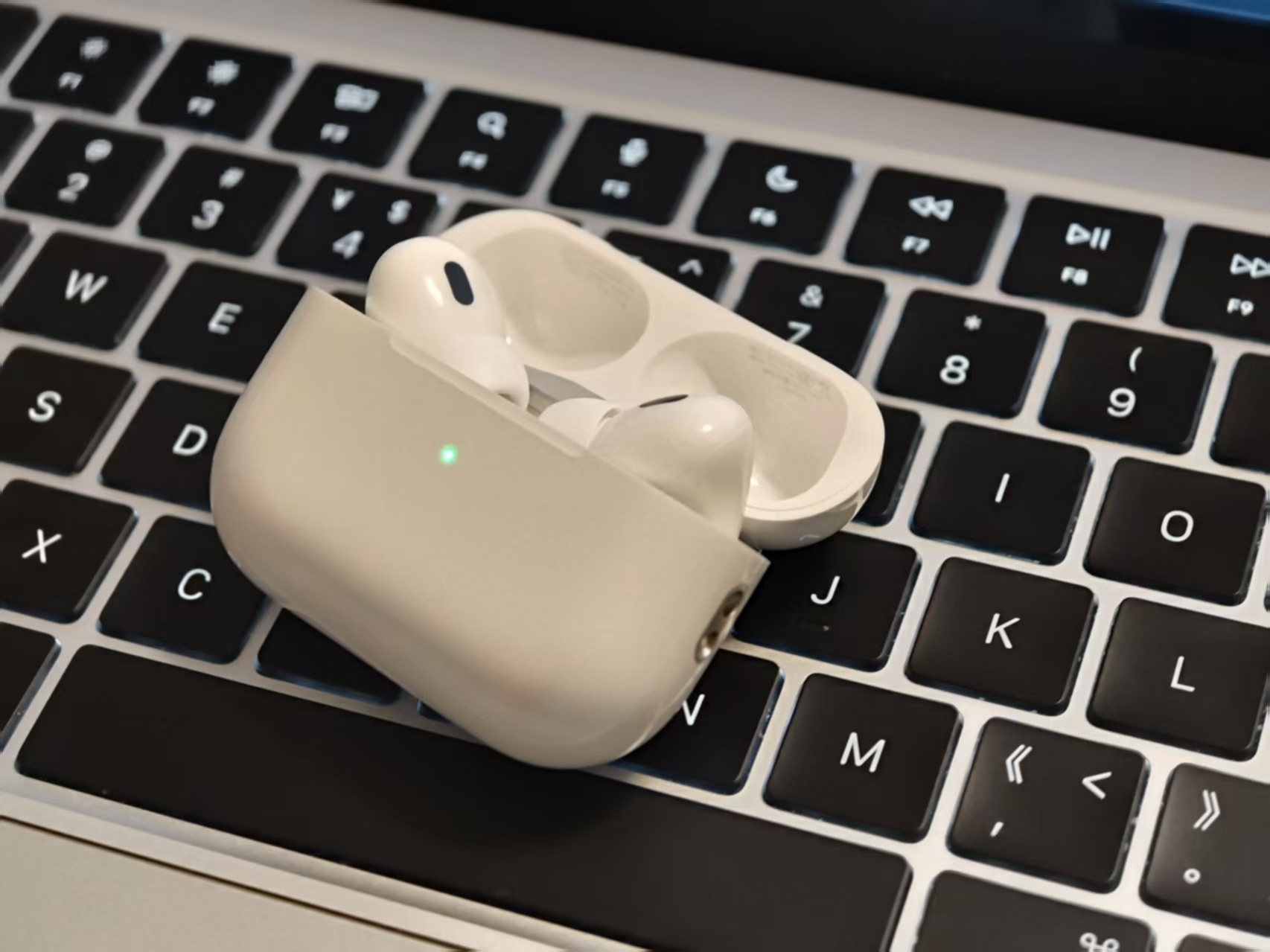
Image source: LeiTech
Since the charging case was ruled out as the culprit, elimination logic pointed to faulty earbud batteries. Replacing the batteries ought to get the headphones working again. Unfortunately, these second-generation AirPods Pro are long out of warranty. Apple’s official out-of-warranty repair fees are exorbitant, nearly as costly as buying a brand-new pair entirely.That left me with only one viable option: third-party repair services. This hands-on repair experience is brought to you by Raitech (ID: leitech).
That left me with only one viable option: third-party repair services. This hands-on repair experience is brought to you by Raitech (ID: leitech).
AirPods Pro Successfully Repaired: 260 Yuan, One Hour
A quick online search for "AirPods battery replacement" reveals countless shops offering this service. Some advertise on-site home repairs, others promise a full fix within 30 minutes in-store, and many claim to install brand-new batteries backed by a two-year warranty. Even so, weighing price against convenience, I opted to visit a physical repair shop in person to compare third-party servicing with official Apple repairs.
I headed to a local store at Guangzhou Jinhong Digital Mall recommended by a friend. Operating under an anonymous tech shop name, it is essentially a small privately-run electronics repair store. No promotional posters advertising professional servicing or battery swaps line the walls. Still, the counter piled high with AirPods units plus batteries and earphone repair jigs laid out on the workbench make it clear that AirPods repair is its core business.

Image source: LeiTech
The repair process itself was nothing out of the ordinary. After cross-testing with another pair of AirPods Pro to confirm faulty earbud batteries were to blame, my AirPods Pro were placed on the workbench. According to the repair technician, newer models including the second-generation AirPods Pro are assembled with adhesive sealing. Unlike older AirPods that require forcefully cutting open the earbud stem, these newer versions allow damage-free disassembly once the glue is heated and softened.
The technician removed the old batteries, fitted new replacements, resealed the outer casings with specialized adhesive, and polished excess glue along the seams with an electric grinder. This completed the entire battery replacement procedure.
The whole repair cost just 260 yuan and took less than an hour. While AppleCare+ entitles users to free battery service or device replacement, Apple Store repairs now mandate factory diagnostic testing. The round-trip turnaround often stretches to 14 days or longer. Given this substantial time cost, I believe local third-party repair shops within easy reach of home are a far more practical option to consider.

Image source: LeiTech
Of course, opting for third-party repairs comes with additional risks. Compared with official after-sales services, third-party replacement parts are far less reliable. Installing an uncertified phone screen may at worst cause unresponsive touch control plus malfunctioning or erratic Face ID. Unverified batteries, meanwhile, carry a fire hazard. Legitimate branded replacement batteries for AirPods are available on the market, yet the biggest flaw of third-party repair remains opacity. As consumers, we have no way to verify the reliability of the components being installed.
For this reason, if you plan to use non-official third-party repair services (authorized third-party outlets can source genuine factory parts through official brand channels but still suffer from a lack of repair transparency), I recommend choosing long-running, larger repair shops with solid reputations.
TWS Earbuds Grow Increasingly Durable; AI Becomes the Only Motive for Upgrading
That said, my nearly four-year-old AirPods Pro still holds up remarkably well in 2026 after its battery swap, delivering competitive noise cancellation and audio quality. Based on Raitech’s observations, such longevity is extremely common across the TWS earbud market.
Advancements in TWS sound quality and active noise cancellation have hit a bottleneck over recent years. Most audio and algorithm upgrades are too subtle for average listeners to distinguish. In other words, flagship TWS models released years ago can fully satisfy most mainstream users’ needs, provided their batteries remain functional.
Faced with consumers clinging to their old earbuds for years, Raitech believes headphone brands have heavily promoted AI earbuds in recent years to drive hardware upgrades via artificial intelligence features.
Admittedly, most modern TWS earbuds support AI functions, yet the bulk of AI computation runs on connected smartphones, reducing the earbuds to little more than audio transmitters. Take my 2022-launched second-generation AirPods Pro as an example. After a firmware update, it gained access to hearing assessments, hearing aid modes, real-time translation and other AI capabilities.

Image source: LeiTech
But in the AI Agent era, we have new requirements for the AI capabilities of TWS earbuds. Faster response speeds rely on on-device small language models. AI visual perception requires extra sensing cameras. The Guangfan AI earbuds I tested recently even embed 4G cellular connectivity in the charging case... All these functions are directly tied to the chips and hardware design of TWS devices.
Software updates can bring new features to TWS earbuds, yet they can never turn them into AI-native hardware built intrinsically for artificial intelligence. Therefore, Raitech holds the view that as the TWS headset market hits an experience bottleneck, native AI functionality will inevitably become the next major battleground for TWS competition.
The Next Evolution of Wearables: From Phone Accessories to AI Hardware
There is more to this trend. From a long-term perspective, Raitech believes the Agent-driven shift in smart earbuds may even reshape the dominant role of smartphones.
Ever since wearables emerged, they have remained reliant on cellphones. Earbuds must pair with phones for music playback; smartwatch data gets aggregated on mobile devices; even photos captured by smart glasses need to be viewed on phones. No matter how many smart gadgets users wear on their bodies, the smartphone in their pocket remains the central hub.
Once AI Agents gain widespread adoption and voice interaction becomes mainstream, smartphones can recede into the background out of users’ sight. Unlike mobile phones, always-accessible devices such as earbuds and smart glasses are inherently better suited for voice-based interaction. Take rescheduling high-speed train tickets as an example: users only need to voice their demands, and the AI Agent automatically coordinates cross-device collaboration to handle all follow-up procedures.
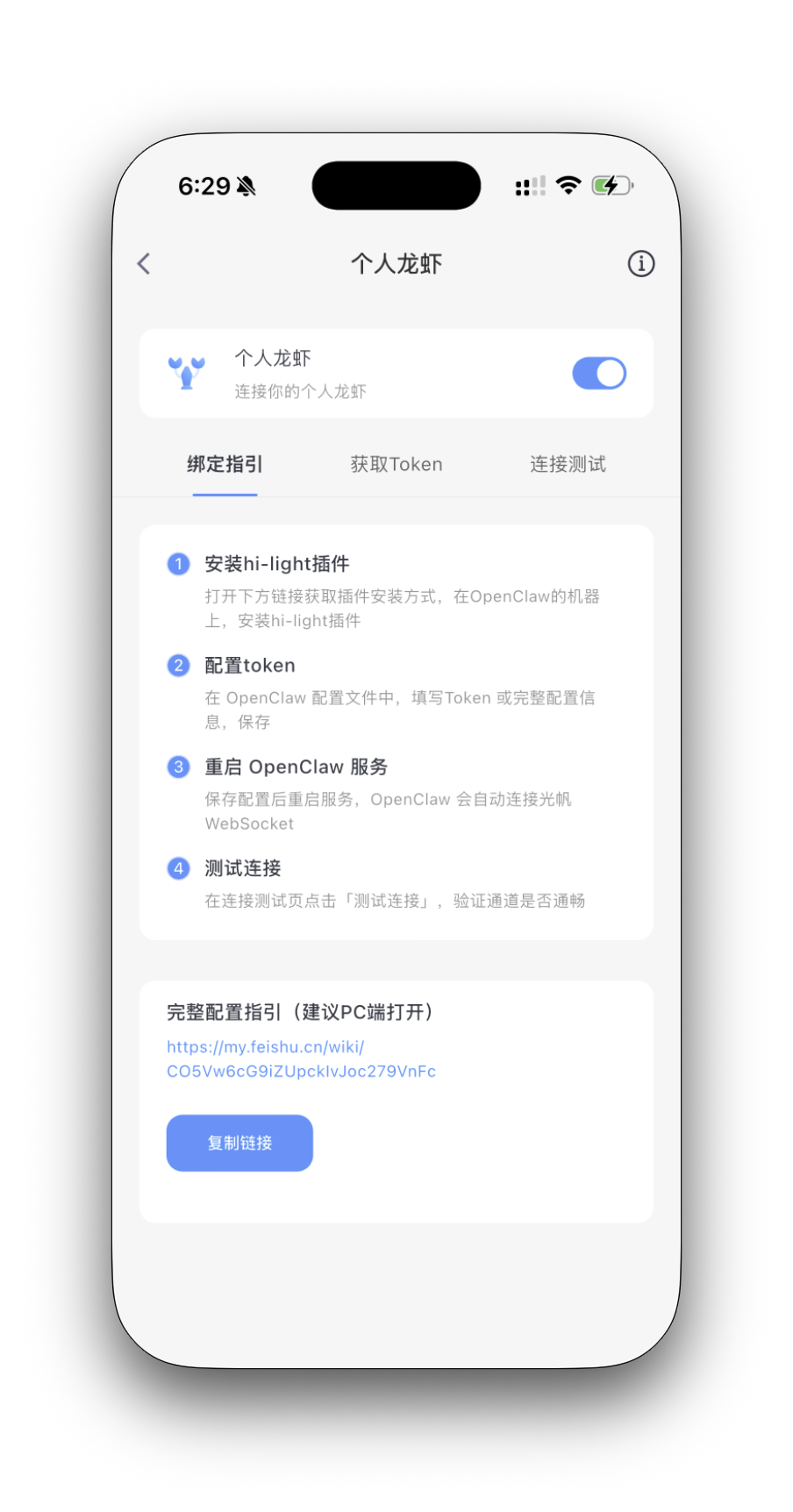
Image source: LeiTech
Among wearables including smart glasses, earbuds and smartwatches, smart glasses fail to stay ready all day long due to limited battery life and unsatisfactory wearing comfort, while smartwatches are not fit for prolonged human-computer interaction. Only TWS earbuds boast a huge user base, and people are accustomed to wearing them for extended periods. Therefore, Raitech believes earbuds stand the best chance of evolving into next-generation AI devices with equal status to smartphones.
Even so, earbuds come with inherent drawbacks compared with mobile phones. High component integration and high IP ratings render most TWS earbuds practically disposable products designed for replacement rather than repair. As illustrated at the beginning of this article, my AirPods Pro suffered complete battery failure and required third-party maintenance. If manufacturers cannot fix the pain points of frequent breakdowns after warranty expiration and poor repairability, feature-rich earbuds still cannot compete with smartphones in terms of reliability.
All in all, headphone brands still have a long way to go before earbuds grow into indispensable AI hardware of the future.
On July 31, ChinaJoy 2026—under the theme “Journeying with AI”—kicks off spectacularly.
A total of 900 entertainment-industry exhibitors—including Tencent, NetEase, Sony, Qualcomm, Maicong, and Qingxian—unite to deliver a global feast of interactive entertainment;
How will AI-augmented hardware brands—from endpoints and peripherals to robots, displays, and chips—collaborate with game developers to pioneer next-generation entertainment experiences?
LeiTech’s ChinaJoy 2026 reporting team, led by Founder & Editor-in-Chief Luo Chao, will soon descend upon Shanghai—stay tuned for exclusive coverage.